The dollar posted its best gain in two weeks thanks to a 4% rise in oil prices

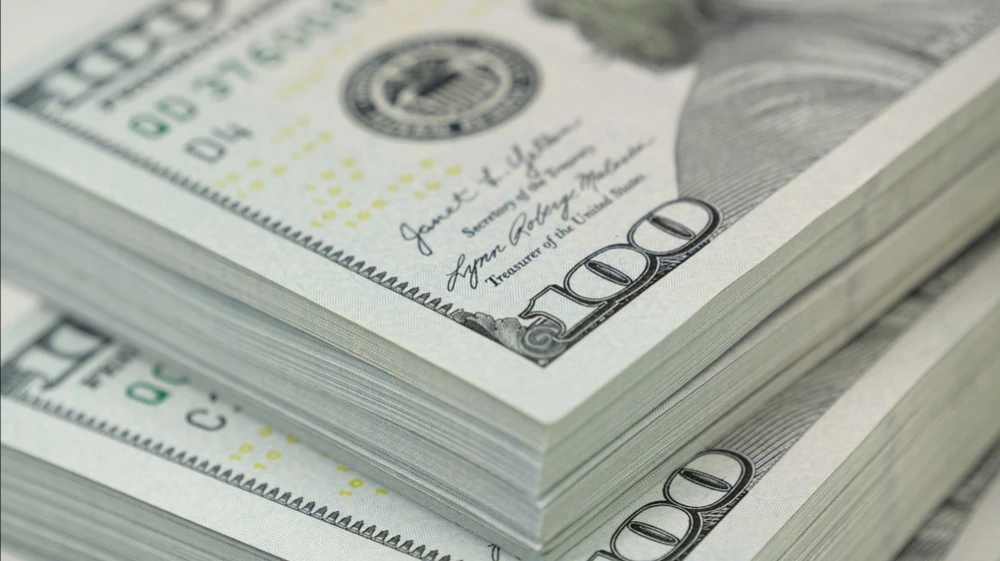
The ICE U.S. Dollar Index rose 0.27% over the course of the day / Photo: Harmony Video Production / Shutterstock.com
The dollar posted its biggest gain in two weeks during trading on Thursday, August 6. The U.S. currency was buoyed by rising oil prices amid fading hopes for a de-escalation of tensions in the Middle East, according to Bloomberg.
The ICE U.S. Dollar Index rose 0.3% over the course of the day. The Bloomberg Dollar Spot Index gained 0.2%—its best performance since July 23. The dollar strengthened 0.5% against the Japanese yen.
Brent crude rose 4.57% to $83.1 per barrel, while WTI gained roughly the same amount. Oil prices rose following reports that Iran had published a draft agreement on shipping that would ban vessels belonging to the U.S., Israel, and other hostile countries from passing through the Strait of Hormuz. The rise in energy prices has heightened concerns about inflation, which could prompt the U.S. Federal Reserve to raise interest rates in September. Yields on U.S. Treasury bonds also rose, while gold jumped to its highest level since June.
Since the U.S. strike on Iran in late February, the dollar has strengthened by 1.5 percent: rising oil prices have supported the U.S. currency and put pressure on the currencies of energy-importing countries, including Japan, according to Bloomberg. A basket of ten major global currencies weakened against the dollar, with the yen among the worst performers. The Japanese currency’s exchange rate exceeded 158 yen per $1 for the first time in nearly a week.
Traders are bracing for increased volatility due to the risk of new currency interventions following recent joint actions by the U.S. and Japan aimed at supporting the yen, according to Bloomberg. The price of one-day options contracts linked to the Bloomberg Dollar Index rose to its highest level since July 30, as market participants await Friday’s U.S. labor market report. On Thursday, the U.S. Bureau of Labor Statistics reported that labor productivity growth in the country accelerated more than expected in the second quarter.
What Analysts Are Saying
— “Steady growth in U.S. labor productivity is providing a new source of support for the dollar,” Bloomberg quotes Elias Haddad, global head of market strategy at Brown Brothers Harriman, as saying.
— “We’re seeing some revision of overly optimistic expectations,” Pioneer Investments strategist Paresh Upadhyaya told Bloomberg. — “It is extremely unlikely that the U.S. will agree to many of the terms of the deal [on the Strait of Hormuz] without significant changes.”
“Against the backdrop of ongoing tensions, investors are immediately beginning to price in the increased risk of accelerating global inflation,” Marcio Riuba, head of the trading division at Banco StoneX, explained to Bloomberg. According to him, investors have flocked to safe-haven assets.
This article was AI-translated and verified by a human editor