Oil stocks in the U.S. Strategic Petroleum Reserve have fallen to a 43-year low. What about prices?

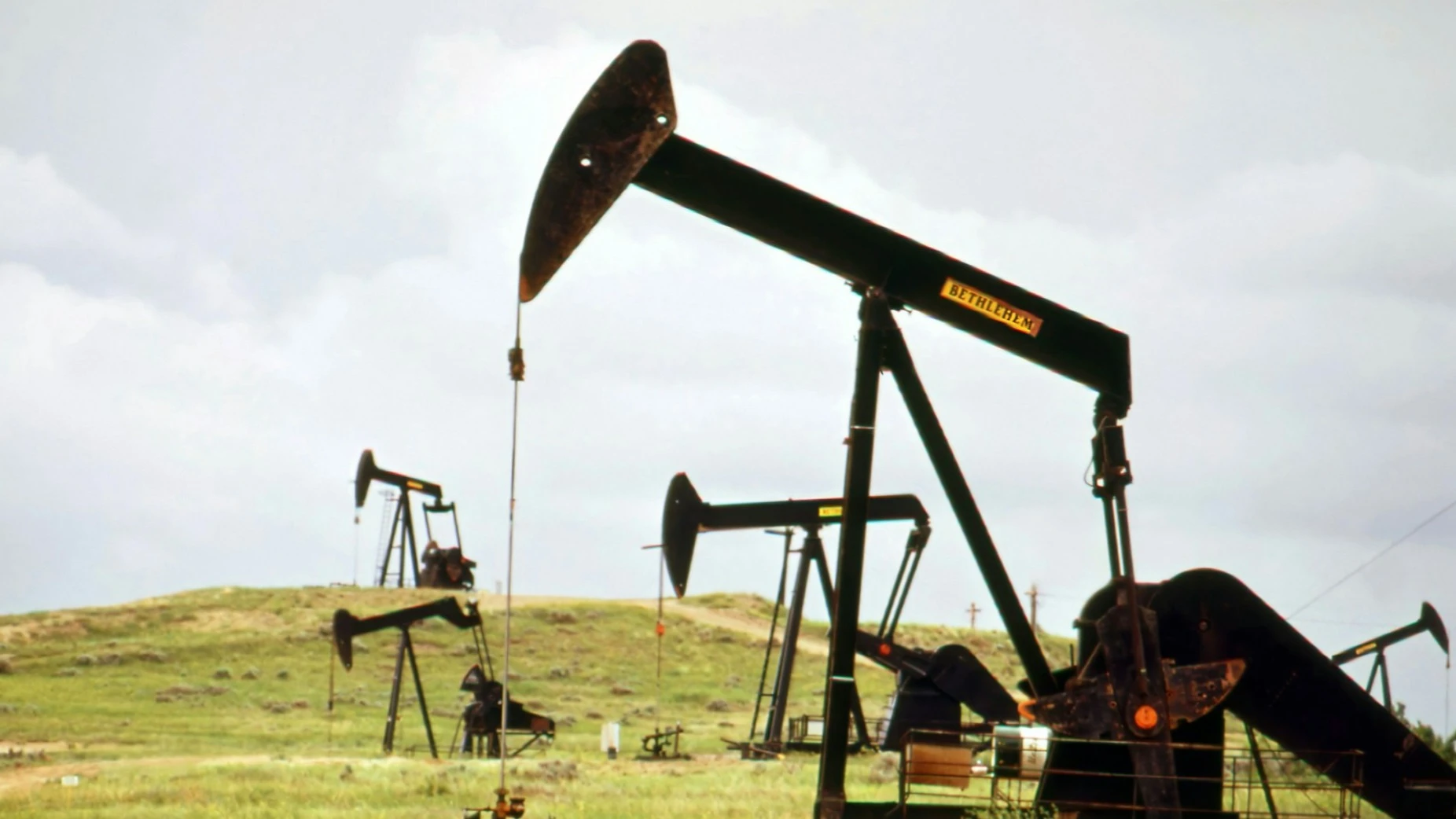
U.S. oil reserves fell to 298,800 barrels / Photo: unsplash.com / Documerica
Oil stocks in the U.S. Strategic Petroleum Reserve have reached their lowest level since 1983 due to a massive drawdown following the outbreak of the war with Iran. At the same time, oil prices jumped by more than 5%: Brent approached $88 per barrel. Investors are increasingly losing hope for a deal between the U.S. and Iran, especially after Donald Trump said that Washington is “only partially negotiating” with Tehran.
Details
Between July 31 and August 7, 2026, the volume of strategic oil reserves fell by 6.1 million barrels to 298.7 million barrels, according to data from the U.S. Department of Energy. This is the lowest level since January 1983, CNBC notes. The reserve was established in 1975.
Before the start of the U.S. military operation against Iran on February 28, there were about 415 million barrels of oil in reserve, according to CNBC. In March 2026, the International Energy Agency ordered the release of 400 million barrels from global oil reserves. As part of this decision, the U.S. decided to release 172 million barrels. Accordingly, U.S. reserves will drop to approximately 243 million barrels once this entire volume has been released.
According to a spokesperson for the U.S. Department of Energy, the minimum technical level required for the safe operation of the strategic reserve is about 70 million barrels, CNBC reports. Therefore, the current level of reserves still allows Washington to release additional oil if necessary. However, this capacity is limited due to problems with aging infrastructure. According to the U.S. Government Accountability Office, more than a quarter of the reserves are inaccessible due to construction and operational downtime at storage facilities. According to a July analysis by Rapidan Energy cited by CNBC, approximately 103 million barrels of oil in the reserve are currently effectively unavailable for use.
What about the prices?
Oil prices rose sharply during trading on Monday, August 10. Brent crude rose 5.2% and peaked at $87.93 per barrel. Prices for U.S. WTI crude rose 5.4% to reach $82.38 per barrel.
The rise in prices is due to the fact that Iran and Oman have not yet been able to reach an agreement on reopening the Strait of Hormuz, according to Bloomberg. Additional pressure on the market came from a sharp spike in diesel prices in Europe following an attack on an oil refinery in Saudi Arabia near the Red Sea.
In addition, investors are casting doubt on the prospects for a peace deal between the U.S. and Iran, according to CNBC. On Sunday, August 9, U.S. President Donald Trump told Axios that Washington is “only partially” engaged in negotiations with Iran. At the same time, Trump said he is relying on a naval blockade of Iran as a means of putting pressure on Tehran, rather than on new airstrikes.
This article was AI-translated and verified by a human editor