A 4% Loss in Global Supply: How a Shutdown of the Saudi Oil Pipeline Could Threaten the Market
Due to drone attacks, Riyadh shut down the key "East-West" oil pipeline, which allowed oil to be transported bypassing the Strait of Hormuz

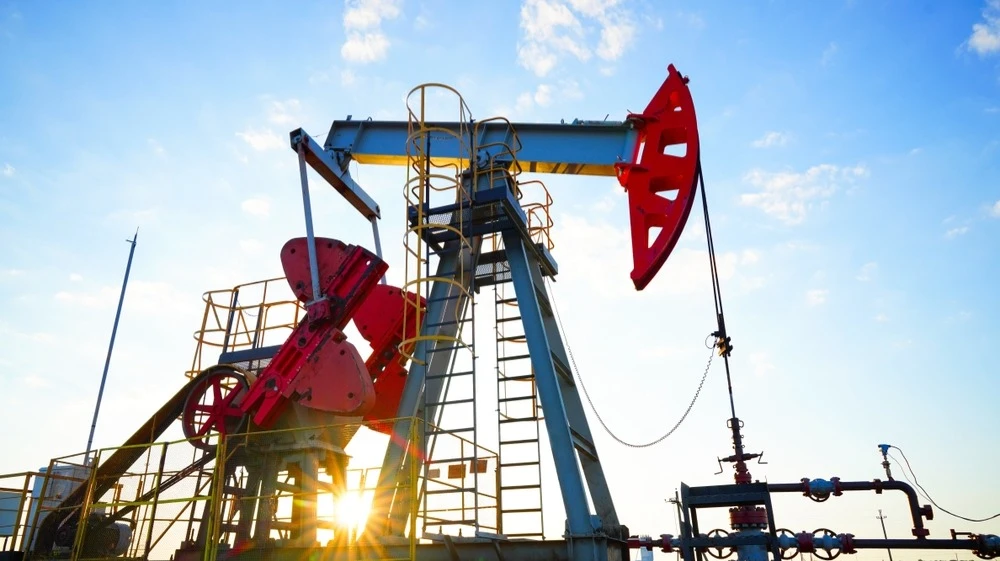
Saudi Arabia could run out of oil reserves for export within a few days. Photo: Maksim Safaniuk/Shutterstock
Saudi Arabia could run out of oil export reserves within a few days if the kingdom does not restart the major “East-West” pipeline, also known as Petroline. This, in turn, could lead to a loss of up to 4% of global crude oil supply, Reuters reports, citing buyers of Saudi oil and traders.
Saudi Arabia suspended operations on this oil pipeline following a drone attack on September 10. The 1,200-kilometer pipeline, which runs across the entire Arabian Peninsula, allowed oil to be shipped from the kingdom via the port of Yanbu on the Red Sea, bypassing the Strait of Hormuz.
Details
After drones attacked Petroline last week, resulting in, according to CNN, the pipeline itself and nearby pumping stations were damaged, the reserves in Yanbu are sufficient to sustain oil exports for only five to seven days, according to three sources familiar with the situation who spoke to Reuters. A fourth source told the agency that Saudi Arabia also has reserves sufficient to supply customers for several days from the Egyptian ports of Ain Sokhna on the Red Sea and Sidi Kerir on the Mediterranean.
However, Riyadh did not provide any details regarding the extent of the damage sustained by Petroline or the timeline for resuming oil pumping through the pipeline. One of Reuters’ sources noted that repairs could take five to six weeks, while another source told the agency that partial oil flow could resume even before repairs are completed.
Overall, Saudi Arabia—one of the world’s largest oil exporters—used the pipeline to reroute about 4 million barrels per day to the port of Yanbu on the Red Sea, which accounts for approximately 4% of global supply, according to Reuters.
Asian oil refiners are awaiting clarity regarding shipments scheduled to be loaded at the port of Yanbu, Bloomberg adds. At least four refineries have not yet received any official communication from Saudi Arabia after requesting details on the status of operations, traders told Bloomberg. According to the agency’s sources, in the absence of information about delays, two refineries expect to pick up their shipments on schedule.
The Saudi Arabian government's press office and the kingdom's Ministry of Energy did not respond to requests for comment from Reuters.
What People Are Saying in the Market
“The closure of the Saudi ‘East-West’ pipeline further reduces routing flexibility for Asian refineries at a time when several key oil transit routes are already under pressure,” said Sumit Ritolia, senior modeling manager at the analytics firm Kpler. “Diversification can reduce the risk of supply disruptions, but it cannot fully offset the impact on costs when several major oil routes are under strain at the same time,” he added (as quoted by Bloomberg).
Why Is This Important?
On September 11, the Saudi Arabian Ministry of Energy announced the closure of the East-West pipeline as a precautionary measure following drone attacks.
During the war in the Middle East, the oil pipeline served as an alternative route for oil shipments from the kingdom when it became difficult for tankers to pass through the Strait of Hormuz.
The attack on the pipeline and possible further disruptions to supplies from Yanbu have already contributed to rising oil prices, Reuters reports. During trading on September 14, November Brent contracts jumped more than 3%, rising above $108 per barrel, but then slowed their rise slightly—at the time of publication, they were trading at $107.5. U.S. WTI futures for next month’s delivery are trading at $102.8.
Context
The International Energy Agency (IEA) reported on September 11 that Saudi oil shipments in August had already fallen to their lowest level in more than three decades amid reduced flows through the Strait of Hormuz and the Red Sea. A further reduction in supplies from Saudi Arabia would exacerbate the global oil shortage, which has already driven global fuel prices to record highs, triggered rising inflation worldwide, and pushed U.S. Treasury yields to their highest levels since the 2008 financial crisis, Reuters reports.
According to the IEA, global oil supplies will decline by 5.7 million barrels per day this year, or approximately 6%. Before the outbreak of hostilities, the Middle East supplied about 22 million barrels of oil per day to the market. Now, according to estimates from industry sources cited by Reuters, oil shipments through the Strait of Hormuz have fallen to 6–9 million barrels per day. Last week, Saudi Arabia notified OPEC that its production had fallen from 10.9 million barrels per day in February (before the war began) to 6.2 million barrels per day in August.
This article was AI-translated and verified by a human editor