Burry expects the AI sector to crash in 2028. How is he mitigating risks in his portfolio?
Famous short seller is restructuring his portfolio: changing the composition of his short positions, reducing his long positions, and increasing his cash allocation to 12%

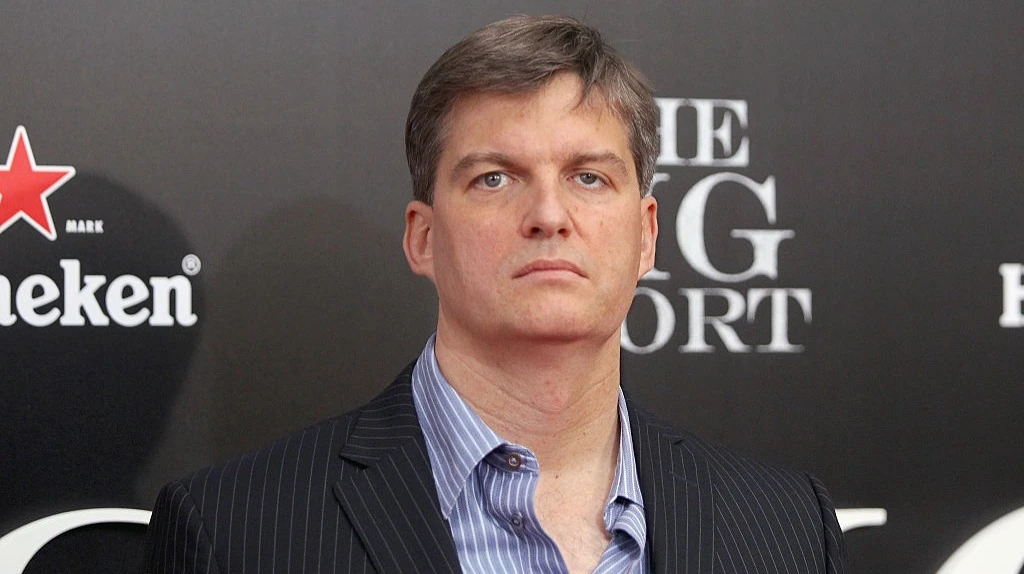
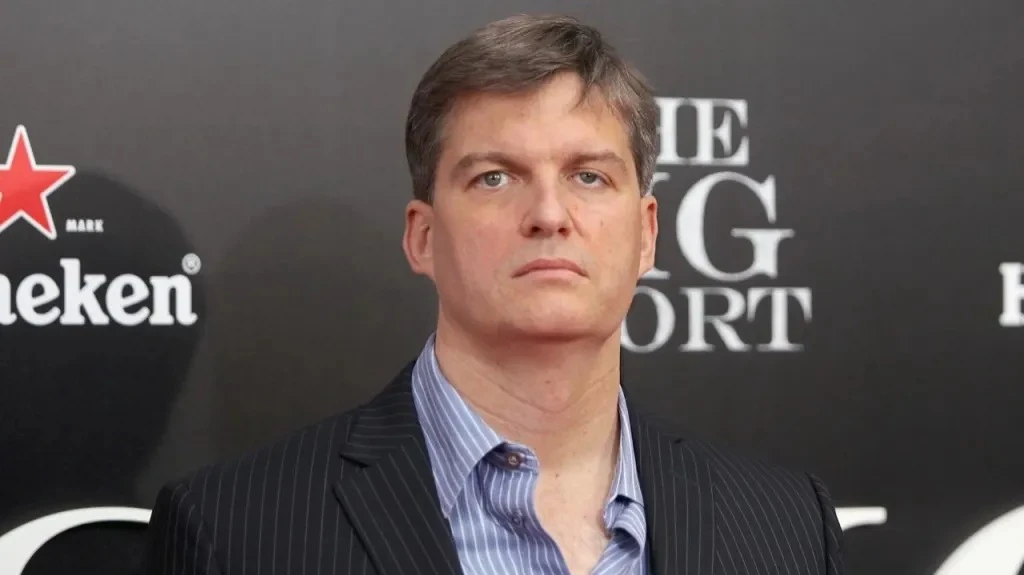
Michael Burry is reducing risk in his portfolio / Photo: Jim Spellman / WireImag
The countdown has already begun in the artificial intelligence sector, according to investor Michael Burry, known as the real-life inspiration for the character in the movie *The Big Short*. On his blog, Cassandra Unchained, he wrote that the crash could begin in 2028—and he has already started preparing for a sharp market decline.
AI Risks
Burry considers cross-financing within the AI sector to be a serious risk: companies provide each other with capital, which is then spent on the products and services of those same companies and returns to them in the form of revenue. This scheme has long been an open secret, writes Burry; even the Bank for International Settlements has pointed it out.
"All of this is happening completely out in the open. And, judging by the fact that Wall Street itself prefers not to talk about it, the problem is indeed serious."
According to Burry, the AI boom’s growing reliance on borrowed money is bringing the moment when the bubble bursts closer. He expects this to happen in 2028, when there will be too much computing power. At the same time, Burry believes the market may begin to factor this problem in much earlier.
Rebalancing the Short Portfolio
Burry is bracing for a sharper market decline, but the current rally has prompted him to reduce his risk. His short portfolio, which until recently had been roughly break-even overall, has begun to incur losses, he wrote. Therefore, the investor decided to gradually reduce the total volume of his positions.
"In other words, I sell expensive volatility where it still exists and buy cheap volatility wherever I can. At the same time, I’m restructuring my option positions to lock in losses and offset them with outright short positions."
As part of his risk-reduction strategy, Burry completely closed out his losing position in put options on the iShares Semiconductor ETF (SOXX), which tracks the U.S. semiconductor sector. For the time being, their value was supported by high expected volatility, but if the ETF continued to rise, he could have lost even more: the puts would have become cheaper both due to the rise in SOXX and a possible decline in volatility.
Instead, Burry increased his short position in QQQ, maintaining his bet on a decline in the tech market but switching to cheaper options. The QQQ tracks the Nasdaq 100, and the market was pricing in much lower volatility for its options—about 25 versus 45 for the SOXX.
At the same time, Burry rolled over his existing puts on QQQ from January to June 2027 and raised the strike prices from approximately $550–590 to $650–690. This restructuring of his position came at a significant additional cost, so the amount of risk on QQQ ended up being roughly the same as it had previously been on SOXX. Now, QQQ put options account for about 6% of his portfolio. Burry decided to keep his options on Nvidia and Palantir unchanged.
To reduce risk, Burry did not cut back on all his short positions equally. Where short positions had already yielded significant profits, Burry decided to lock in those gains: he completely closed out his short positions against Tesla and Applied Materials. As Burry himself writes, quick and substantial profits from shorting in the current market are a “gift from fate.” He reduced his short position in Caterpillar by a quarter.
At the same time, the investor isn’t backing away from his strongest bets. As Micron’s stock rose again to around $1,000, Burry actually increased his short position. SOXX remains the largest short position in the portfolio—at about 7%—followed by Micron, Nebius, Nvidia, Oracle, and Palantir. In the case of Oracle, Burry continues to short the stock directly, as put options on it remain too expensive.
Rebalancing the Long Portfolio
With his long positions, Burry took a different approach: he reduced them in roughly equal proportions, which brought the cash portion of the portfolio to about 12%.
Currently, each of Burry’s long positions accounts for between 5% and 8% of the portfolio. The largest holdings are Zoetis, Mercado Libre, JD.com, and Adobe. Next—at about 1 percentage point less—are lululemon, Veeva, Flutter, Molina Healthcare, HCA, and PayPal. Sprouts, Fannie Mae, and Freddie Mac each account for about 5% of the portfolio.
"And if this looks like preparation for a bigger market decline, it's only because that's exactly what it is. My goal was to reduce my overall risk and free up some cash, while maintaining a bias toward short positions."
This article was AI-translated and verified by a human editor