Chipmakers drop Nasdaq, oil cheapens after Trump's decision to delay Iran strike
Brent fell below $109 per barrel

X / NYSE
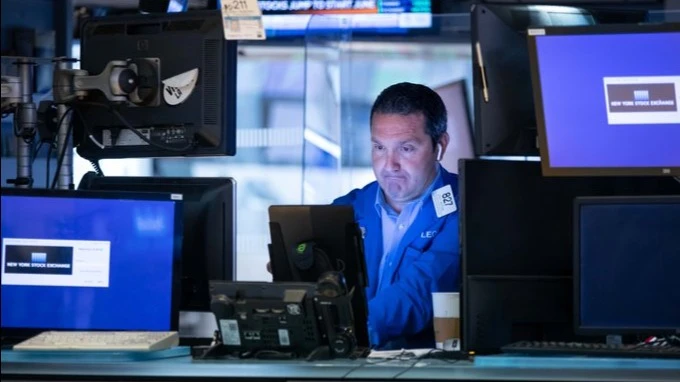
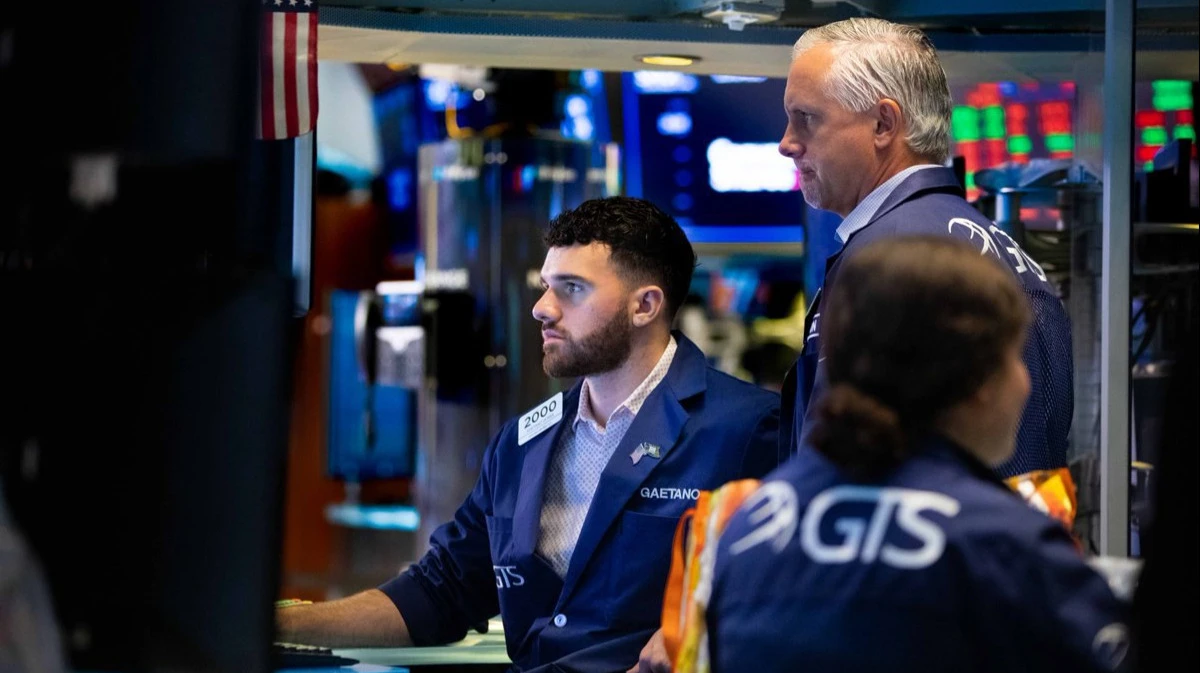
"Technology" index Nasdaq Composite fell for the second day in a row, with a 1.4% drop on the day. Shares of leading chip makers fell after comments from memory systems supplier Seagate that building new factories to meet sharply increased demand would "take too long." Investors were also concerned that the war in the Middle East had begun to weigh on Treasury yields. Oil prices first rose above $112 a barrel and then fell after U.S. President Donald Trump promised to postpone a "planned strike on Iran tomorrow."
Details
- On Ma 18, the broad market index S&P 500 declined by 0.07% and ended trading at 7403 points. At the same time during the day the index decreased by 0.7%, having recovered losses in the last hour of the stock exchanges.
- The blue-chip index Dow Jones Industrial Average added 0.32% on Monday, reaching 49,686.1 points.
- The Nasdaq Composite Technology Sector Index fell 0.51% to 26,090.7 points. During the day, the index fell by more than 1.4%.
- The Russell 2000 index of small and mid-capitalization companieslost 0.65%for the day and closed at 2,775.1 points.
- Brent crude futures were down 0.9% to $108.2 a barrel, while U.S. WTI crude was up 0.3% to $105.8 a barrel.
- Bitcoin fell 1.83% overnight, dropping to $76,964 per token.
What influenced the stock
Storage supplier Seagate led a selloff in its memory chip shares after the company's CEO said it would "take too long" to build new factories. The comment heightened investor fears that the chipmaker, which produces memory for mobile devices, PCs and data centers, doesn't have enough capacity to meet skyrocketing demand, CNBC wrote. Seagate shares fell nearly 7% and pulled down the securities of rival Micron Technology (-6%). Shares of Western Digital (-4.8%) and Sandisk (-5.3%) also fell. In addition, other artificial intelligence-related securities, including Nvidia and Broadcom, lost about 1% each.
The decline in the value of shares of the technology sector began on Friday, Ma. 15, due to rising yields on Treasury bonds, explains CNBC. Bonds fell in price amid fears of recession in the global economy due to the conflict in the Middle East. In addition, new data on inflation in the U.S., published last week, make the Fed's rate cuts unlikely, the channel writes.
Tensions between Iran and the US remain high, causing oil prices to hold above $100 per barrel. On Monday, oil cheapened after Iranian media said the U.S. may temporarily lift sanctions on the country's supplies. Trump said near the close of trading that leaders of several Middle Eastern countries had asked him to postpone a strike on Iran that was "planned for tomorrow." The White House also said on Monday that the proposal presented by Tehran through mediators on Sunday contained no significant improvements, Axios reported. Iran, meanwhile, has made it clear that the U.S. demands are unacceptable, Bloomberg writes.
What the analysts are saying
- There are indeed problems with inflation, WEBs Investments head Ben Fulton told CNBC. Higher oil prices have been a "game changer" and it's hard to see how that can be offset, he said. Stocks could lose momentum if there is no positive news from the Middle East, especially on the Strait of Hormuz. "I can imagine people will start protecting profits pretty quickly," Fulton added.
- "Volatility will certainly continue until the situation with Iran is resolved," Louis Navellier, a Wall Street veteran and founder and chief investment officer of Navellier & Associates, told Bloomberg. - If supplies through the Strait of Hormuz don't resume in a month, energy prices will almost certainly be higher, pushing up inflation and interest rates."
- BofA Securities chief commodities and derivatives strategist Francisco Blancha's best-case scenario assumes Brent will average $90 a barrel by the end of the year, with the market likely to go even higher if the impasse with Iran persists or tensions escalate. The problem, he says, is obvious: global supplies are too tight for prices to fall now.
- The risk of a reversal of the powerful capital flows that have driven U.S. stocks to record highs in recent weeks is growing, emphasizes Scott Rubner, head of equity and derivatives strategy at Citadel Securities. "The short-term situation now calls for more tactical caution," Bloomberg quoted Rubner's note as saying. - Many of the capital flows that helped fuel the rally now appear to have largely played out. Rising yields on long-term bonds are again making them a more attractive alternative to equities."
This article was AI-translated and verified by a human editor