Elon Musk lost his lawsuit against OpenAI and Sam Altman
Billionaire tried to challenge OpenAI's move to commercialization
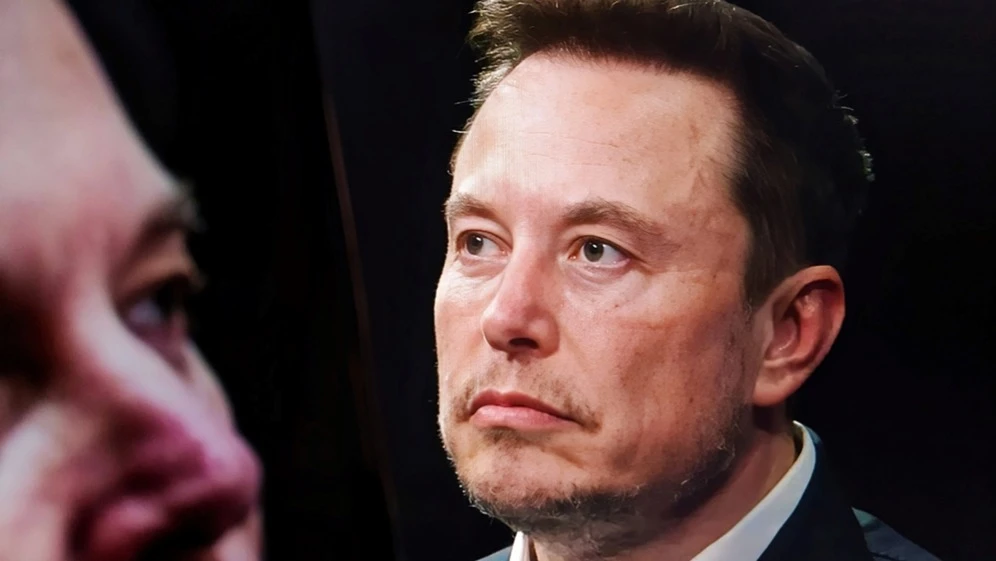
Elon Musk / Photo: FotoField / Shutterstock.com
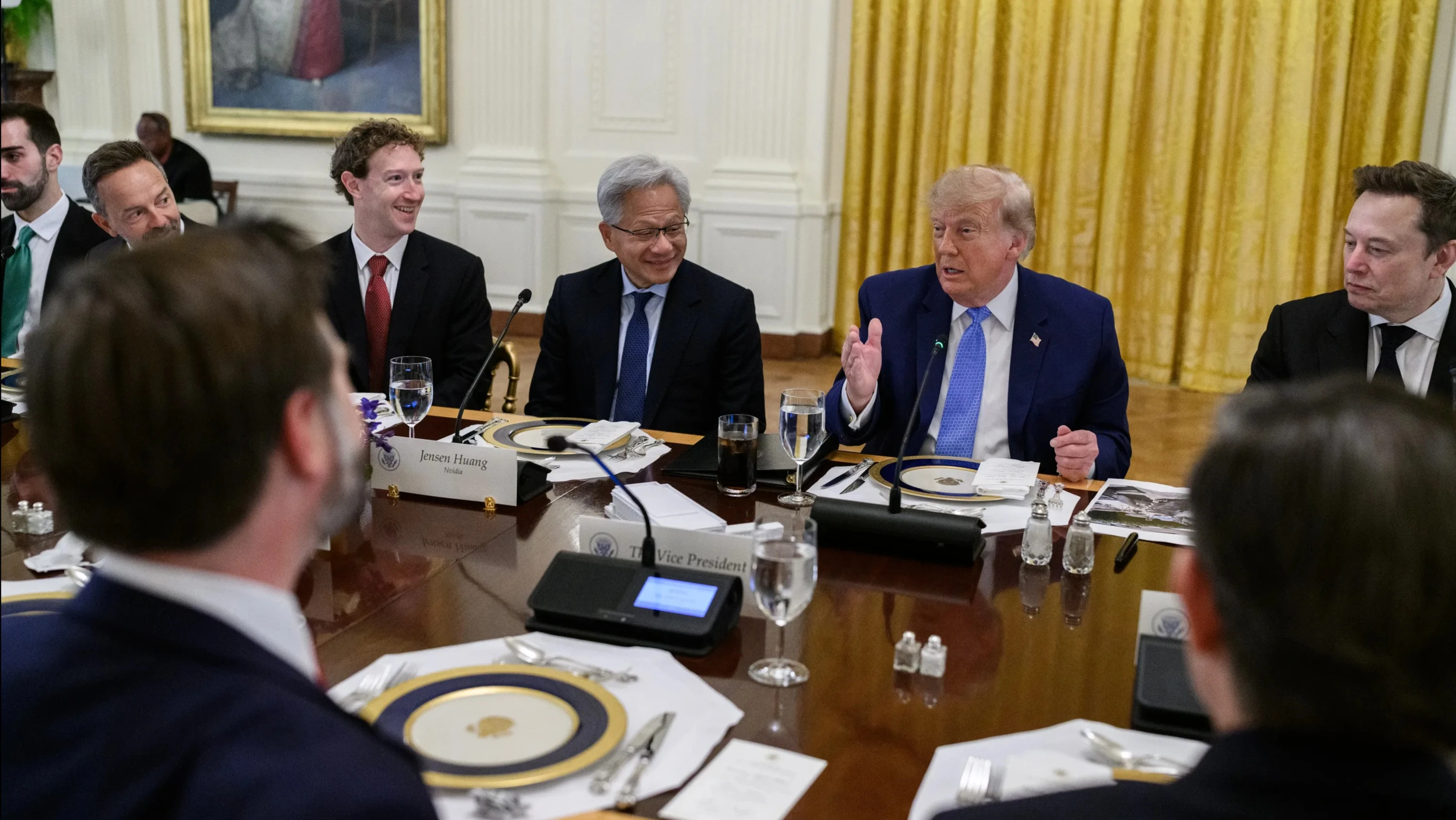
The jury of the federal court in Oakland (California) rejected the claim of the world's richest businessman Elon Musk to OpenAI, which created the artificial intelligence ChatGPT, and its head Sam Altman, CNBC reported. The court headed by Judge Yvonne Gonzalez Rogers agreed with the jury's decision that Altman and OpenAI should not be held liable, the channel reports.
Musk's chief representative in court, Stephen Molo, has retained his client's right to appeal, CNBC writes. At the same time, Gonzalez Rogers says she is ready to reject the appeal "without delay," the channel says. OpenAI and Musk's attorney did not respond to Bloomberg's requests for comment.
The jury reached a unanimous decision after less than two hours of deliberations, CNBC and Bloomberg reported. The court's decision closes a dramatic chapter in the long-running standoff between the two tech billionaires, who were once close friends, he added. Musk and Altman worked together to build a startup that by 2026 had grown into one of the world's most valuable and influential.
Context
The trial lasted almost three weeks, during which the jury heard testimony from Musk, Altman, OpenAI President Greg Brockman and other participants in the events that witnessed the transformation of OpenAI from a small startup to one of the leaders of the global AI industry, Bloomberg wrote. As part of the process, the parties presented diametrically opposed views on OpenAI's transformation from a startup to a nearly $1 trillion company, the agency noted.
Musk's team argued that Altman and Brockman effectively "stole a charitable organization" by abandoning OpenAI's original mission to develop AI "for the benefit of humanity" for commercial gain, CNBC notes. The billionaire's lawyers sought to overturn OpenAI's restructuring, demanded the removal of the company's management and insisted that OpenAI and Microsoft must give up up to $134 billion in "illegally gained" revenues.
OpenAI's lawyers, in turn, represented Musk as a jealous competitor who left the company after he was denied full control over its development, Bloomberg writes. During the process, they referred to documents and correspondence, according to which Musk himself had previously supported the idea of creating a commercial structure of OpenAI and even suggested merging the company with Tesla. OpenAI representatives also argued that the transition to a commercial model was necessary to compete with Google and DeepMind in the costly race for leadership in AI.
During the hearing, the parties repeatedly turned to personal accusations. Musk's lawyers tried to portray Altman as an unreliable executive, recalling his brief dismissal from OpenAI in 2023. In response, OpenAI representatives described Musk as an irascible leader who sought to bring the company under his own control and, after leaving, founded a rival lab, xAI, Bloomberg reported.
This article was AI-translated and verified by a human editor