Citadel and Morgan Stanley Disagree on the Implications of the Fed's New Policy Direction
Kevin Warsh concluded that the regulator would be less forthcoming with its views on monetary policy

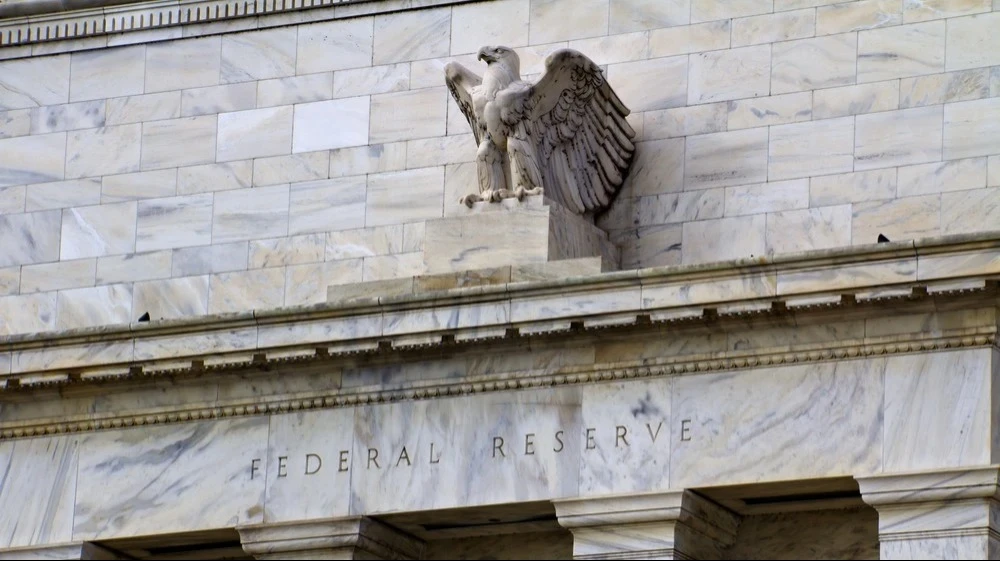
Morgan Stanley and Citadel had differing views on the Fed's policy shift under Kevin Warsh / Photo: Shutterstock.com / MDart10
Last week, Kevin Warsh presided over his first Federal Reserve meeting as chairman. The regulator’s new head shortened the statement and declined to discuss the future path of monetary policy in detail during the press conference.
The Fed’s shift in communication strategy has become a topic of discussion among analysts at Citadel Securities and Morgan Stanley. Citadel believes that a more flexible approach will strengthen investor confidence in the regulator and support long-term bonds, while Morgan Stanley expects volatility in short-term bonds to increase.
Citadel Securities' Opinion
More decisive action by the Fed could reduce the likelihood of persistently high inflation, keep inflation expectations in check, and lessen the risk of serious economic shocks, according to the head of sales for the EMEA (Europe, Middle East, Africa) region Nohshad Shah, head of sales for the EMEA (Europe, Middle East, Africa) region at Citadel Securities, whose opinion is cited by Bloomberg. “The market will have to get used to a Fed that doesn’t wait for future rate hikes or cuts to be fully priced into asset prices before taking action,” he said.
Shakh believes that some investors are mistaken in thinking that the Fed’s new communication style will lead to an increase in the term premium—the additional return that investors demand for holding long-term bonds. “A central bank that is prepared to adjust interest rates more aggressively in response to incoming data should reduce the likelihood of persistent inflation, a loss of control over inflation expectations, or more serious macroeconomic shocks,” the analyst noted. In his view, strengthening confidence in the regulator should stabilize the yield on 10-year Treasury bonds, which serves as a benchmark for mortgage and corporate loan rates in the U.S.
What Morgan Stanley Thinks
The Fed’s return to shorter statements, limited comments on future policy, and a small central bank balance sheet could lead to the most volatile short-term bond market in many years. According to Bloomberg, Morgan Stanley strategists led by Matthew Hornbach have warned of this.
"This change in the way we interact with the Fed is worth noting. It’s not about a new level of yields, but rather that the short end of the yield curve and the shape of the curve will once again begin to move as they did before the era of advance signals from the Fed,” according to a Morgan Stanley note cited by Bloomberg.
Strategists are comparing the new Fed chair’s approach to the era of former Fed Chair Alan Greenspan, who led the U.S. central bank from 1987 to 2006. During that period, the Fed’s post-meeting statements were significantly shorter, and the practice of providing guidance on future policy was virtually nonexistent, Bloomberg notes.
This article was AI-translated and verified by a human editor