Citi has exited a long position in the S&P 500. Should we follow suit?
The S&P 500 rose almost 1% in trading on November 21


Citi closed a long position on the main US stock index, the S&P 500, citing waning optimism around the AI rally. The bank warned that the market is in an AI bubble, but added that the peak point has not yet been reached and that such bubbles can take a long time to inflate. On Wall Street, there are simultaneously analysts who talk about signs of "capitulation" and those who believe that "the holiday is not canceled."
Details
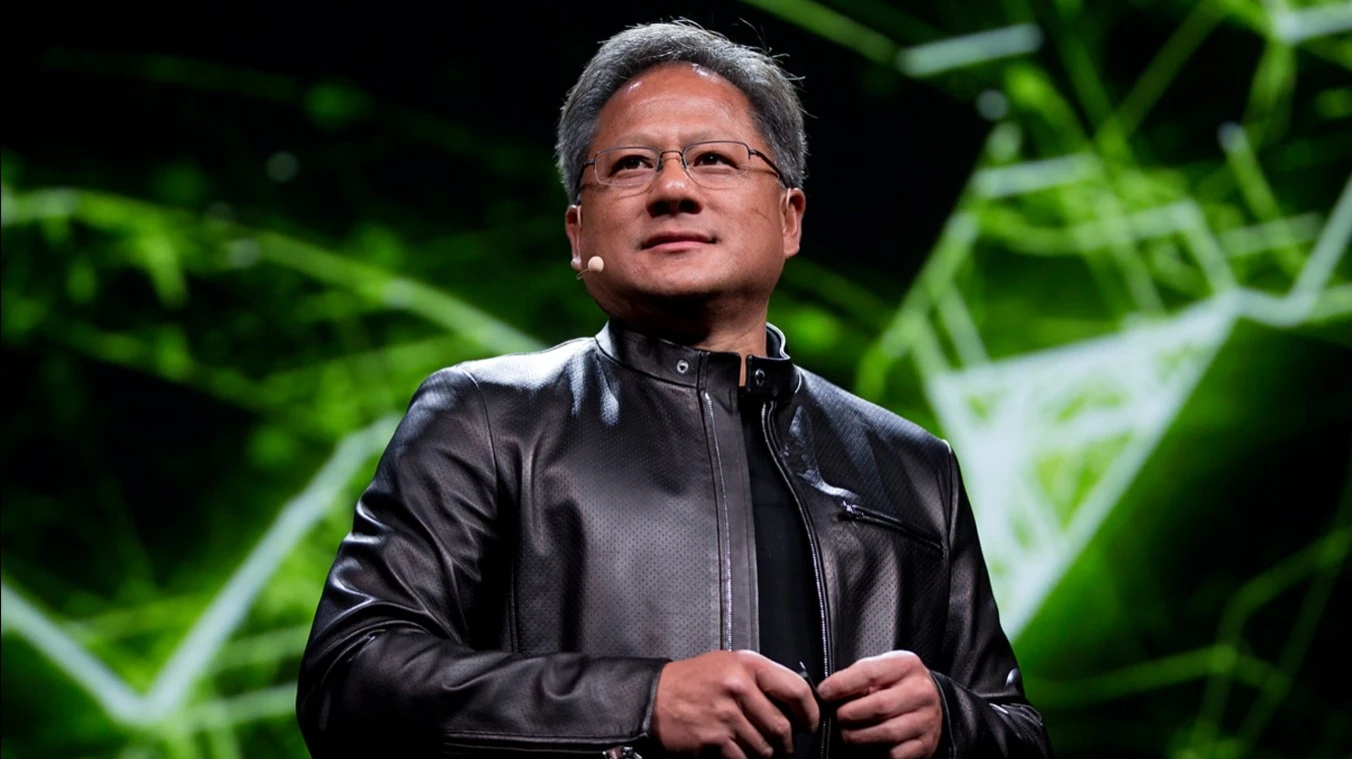
Citi has closed its tactical long position in the S&P 500 and will also lock in profits on long positions in the Nasdaq 100 and the S&P 500 Equal Weight index, CNBC reports. The reason for this decision was Nvidia's failed rally after a strong report on Wednesday, November 19. The chipmaker's shares rose nearly 5% in trading the next day, but then reversed sharply and ended the session more than 3% down, pulling the entire market down. This, according to Citi's assessment, suggests that optimism in the market could not take hold for long: investors have once again begun to worry about the sustainability of the AI rally.
An AI bubble has already formed in the market, but investors may not be in a hurry to lock in profits, added Dirk Wheeler, global head of macro strategy and asset allocation at Citi. Such bubbles can persist for a long time, he said. "We see no compelling evidence that the bubble has peaked," Willer said in a note cited by CNBC. - But tactically, the risk/reward ratio is no longer as attractive as we expected, given that Nvidia's strong quarter failed to bring optimism back to the market."
What's happening in the market
In trading on November 21, the S&P 500 rose in price by almost 2% at the moment, recovering for the previous days, but ended the session in the plus by about 1%. Since the beginning of the year, the broad market index has added about 13%.
However, the value of the S&P 500 fell about 4% in November amid waning optimism around AI and hopes that the Fed will continue to cut its key rate. The U.S. benchmark is on track to break a six-month streak of gains while posting its biggest monthly drop since March, CNBC emphasizes. A Citi strategist called the current market behavior "unusual." He said November and December are statistically strong periods, especially if returns for the first ten months of the year have been strong. "As of mid-November, Santa has been less than kind to equity investors," the investment bank analyst said.
What others are saying
Ray Dalio, founder of Bridgewater's largest hedge fund, also warned that the market is "in the bubble zone" amid heavy spending on artificial intelligence. However, he doesn't think it's time for investors to abandon their positions because of this. However, Dalio warned that it is not worth counting on high returns in the long term and advised market participants to diversify portfolios through more reliable assets like gold.
Goldman Sachs' Tony Pasquariello expects further selling before the market stabilizes, Bloomberg reports . "While lower prices are likely to lead to increased supply from both algorithmic funds and ordinary traders, and while the 'hangover' from the October rally has not yet fully passed, my sense is that there has been a meaningful reallocation of risk this week and some elements of capitulation have emerged," the strategist wrote.
Citadel analyst Scott Rubner predicts the S&P 500 could rise to 7,000 points by the end of the year - up 6% from Friday's closing level. He says the recent "healthy" correction has set the stage for a new rally. Rubner points to several factors that could push the market up in the Bloomberg story: steady demand from retail investors, lower risk positions from institutional players before Thanksgiving (which gives them room to buy more) and a strong Nvidia report, which he believes will force traders to close protective positions and get back into stocks near the end of the year. He adds that seasonality is also on the market's side, with the S&P 500 historically adding about 4% from late November through December. "The holiday hasn't been canceled - it's just been moved to the bar," Rubner concludes.
This article was AI-translated and verified by a human editor