Coal at highs, oil at $80: What's happening in the markets on day 4 of the Iran war
Energy supplies through the Strait of Hormuz have been disrupted - a scenario analysts called "worst-case" among the possible consequences of escalating conflict in the Middle East

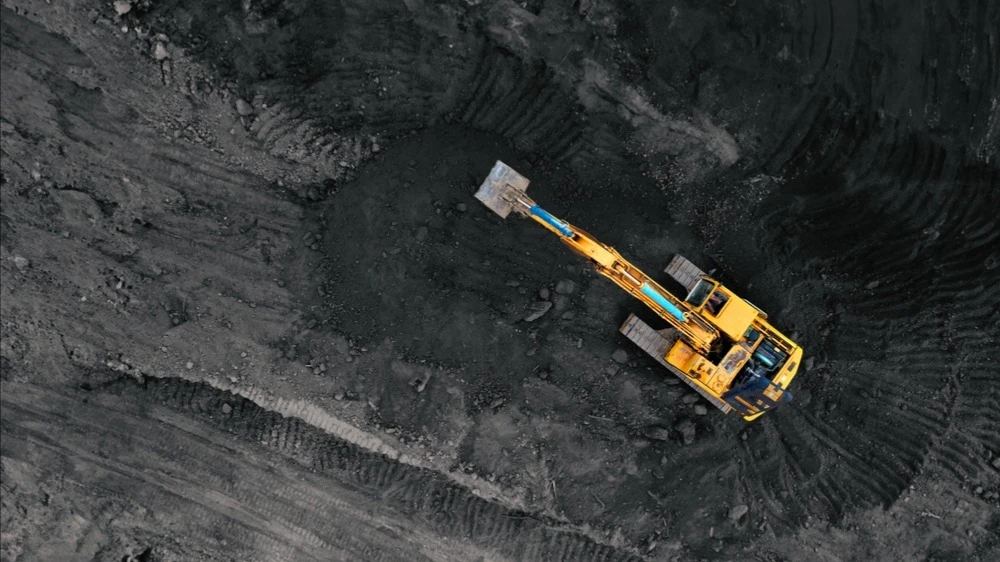
Coal futures hit highs in just over a year amid disruptions to gas supplies through the Strait of Hormuz / Photo: Maksim Safaniuk / Shutterstock
The escalation of the conflict in the Middle East continues for the fourth day. We have collected the main events on the markets to this point, as well as comments from analysts.
Oil and gas market
- After a jump of 13% with the opening of the markets on Monday, March 2, the cost of Brent crude oil, although slowing down, is still steadily increasing: at the end of Monday, Brent added 6.7%, and at the auction on March 3, it is already 3.76% more expensive and trades steadily above $80.5 per barrel. American WTI is also increasing in price by more than 3%: futures with delivery in April are traded at $73.66 per barrel.
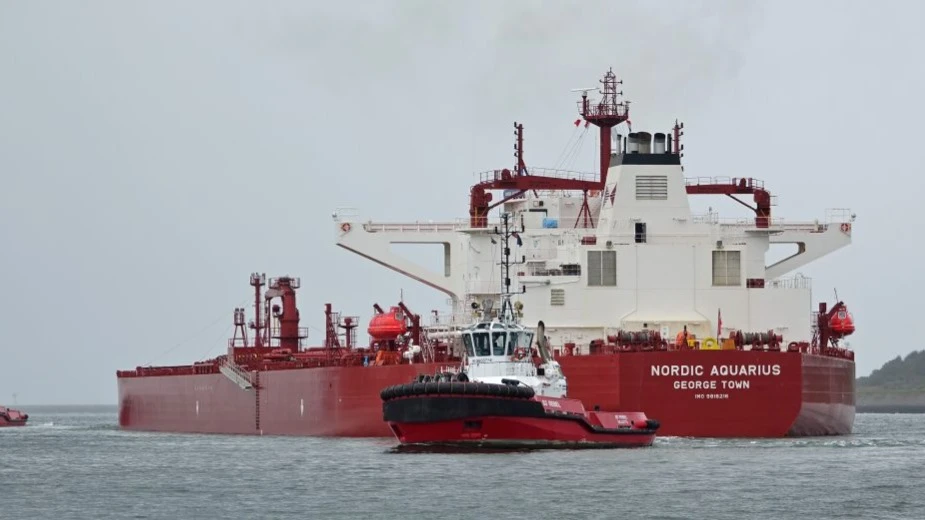
- This is how the oil market is reacting to oil supply problems associated with Iran's announcement to close the Strait of Hormuz, a narrow passage off the coast of Iran and a crucial waterway through which about 25% of all sea oil supplies and a significant part of LNG supplies pass. On March 2, Ebrahim Jabari, commander-in-chief of the Islamic Revolutionary Guard Corps, threatened any vessels that attempted to pass through the strait with arson. By March 3, as a result of the escalating conflict in the Middle East, at least four tankers had already been damaged (ships in the Strait area were attacked by Iran in response to U.S. and Israeli strikes), and two sailors were killed. In addition, 150 tankers and ships were blocked in the area of the strait, writes Reuters. Oil supplies have been disrupted, the agency states.
- Due to the worsening war in the Middle East and difficulties with oil transportation, large Asian (Chinese and Japanese, including state-owned) oil refineries have started to consider the possibility of reducing production, Bloomberg writes, citing sources familiar with the situation. We are talking about a 20-30% reduction in refining volumes. It is Asian markets, such as China, India, South Korea and Japan, that are most dependent on oil that transits through the Strait of Hormuz, the agency explains.
- In this regard, Bloomberg notes in another article, China is trying to put pressure on current Iranian officials to avoid actions that could affect energy exports - oil and gas - through the Strait of Hormuz. Unnamed volume managers of Asian gas companies told the agency. Chinese officials, they pointed out, assured them that Beijing was trying to ensure unimpeded movement of ships through the Strait of Hormuz.
- The day before, on March 2, futures for gas with delivery in April in Europe jumped by 50% - such dynamics they showed after the cessation of LNG production at two QatarEnergy plants in Qatar due to Iranian shelling.
- Against that backdrop, Asian benchmark newcastle coal futures jumped 8.6% to $128.7 a ton on March 2, the highest monthly contract price since December 2024, Bloomberg noted. The shutdown of a liquefied natural gas plant in Qatar has increased the need to switch to another fuel, the agency pointed out.
Stock market
- U.S. stocks ended the first trading day after the escalation of the conflict in the Middle East in general in a slight plus, although at the opening of trading on March 2, all major stock indices lost about 1%.
- South Korean stocks, which before the escalation of armed conflict in the Middle East had added more than 40% since the beginning of the year, on March 3, in contrast, experienced their worst day since 2024. The Kospi index fell by 7.2%.
- European stock markets at the opening of trading on March 3 showed the largest two-day decline since April - the index Stoxx Europe 600 fell by 2%. Moreover, the fall was widespread: the decline was recorded in all sectors, notes Bloomberg.
What the analysts are saying
- The shutdown of shipping and supply disruptions through the Strait of Hormuz were previously described by analysts as the "worst-case scenario" that an escalation of conflict in the Middle East could lead to."The potential impact on global oil supplies and the global economy [due to the interruption of tanker passage through the Strait of Hormuz] could be so significant that it is hard to envision such a scenario lasting more than some brief period of time," Jim Burkhard, global head of crude oil research at S&P Global Energy, said in a note (quoted by MarketWatch).
- "This is a supply shock with an uncertain timeline, where the critical factor is its duration," Angie Gildea, head of energy strategy at KPMG, also noted in a commentary to MarketWatch. Prolonged disruptions to shipping through the Strait of Hormuz "directly translate into higher oil prices," she warned.
- In the meantime, Morgan Stanley noted that a potential jump in oil prices to $100 per barrel, or an increase in the cost of oil by 75-100% in annual terms, could serve as a possible "bearish" scenario for the U.S. stock market. With such an increase in oil prices, inflation would also increase, which would negatively affect the main driver of the U.S. economy - consumer demand, Wall Street strategists and Bloomberg analysts warned.
- "Economic policy uncertainty was already high, and now with the [U.S.-Israel] conflict with Iran, geopolitical risks are also expected to rise," said Rupal Agarwal, a strategist at Bernstein in Singapore (quoted by Reuters).
- "While energy prices are far from the levels seen at the start of the Russia-Ukraine conflict in 2022, investors are likely to keep a close eye on the scale and duration of supply disruptions," DBS analysts noted (quoted by Reuters).
- "Any increase in political uncertainty is not good for the economy," Jahangir Aziz, co-head of economic research at JPMorgan, said in turn. - But right now <...> we don't think it will be a systemic shock to the global economy," he added (quoted by Reuters).
This article was AI-translated and verified by a human editor