Concerns over the Iran deal dragged U.S. stocks lower. Oil is trading above $90 again.


Photo: X / NYSE
Major U.S. stock indices fell on August 17, while Brent crude oil once again broke through the $90-per-barrel mark. Hopes for a deal between the U.S. and Iran—which was supposed to end the nearly six-month-long conflict in the Middle East—have faded, according to Bloomberg. Meanwhile, oil prices, which jumped more than 2%, reignited market concerns that high energy prices could fuel inflation.
Details
Against this backdrop, the broad U.S. S&P 500 stock index fell 0.52%, the tech-heavy Nasdaq Composite dropped 0.32%, and the blue-chip Dow Jones index declined 0.51%. Wall Street’s “fear index”—the VIX—jumped nearly 7%, rising above 15 points (any reading above 20 indicates heightened market volatility).
Meanwhile, October Brent crude oil futures rose by more than 2 percent, reaching a high above $91. U.S. WTI crude oil rose to nearly $85.
Rising oil prices provided a boost to the S&P 500’s energy sector, Reuters notes: it gained about 1%, becoming the only sector of the broad U.S. stock index to close in positive territory on August 17. Shares of chipmakers also rose on Monday—the Philadelphia Semiconductor Index gained 1.6%. Micron shares jumped 4% after U.S. Commerce Secretary Howard Latnik stated that the White House opposes Apple purchasing chips similar to those produced by Micron in China.
However, concerns about the situation in the Middle East were enough to turn the tide in the market as a whole.
Context
Market participants’ attention was focused on the conflict in the Middle East on Monday, notes CNBC: The temporary ceasefire agreement between the U.S. and Iran is set to expire on August 17, but talks between the two sides have stalled in recent weeks. On August 17, Iran ruled out the possibility of continuing negotiations on extending the memorandum of understanding with the U.S., according to the Iranian state news agency Tasnim. Meanwhile, Reuters, citing a high-ranking Iranian official, reported that Tehran may adopt a more aggressive stance if diplomatic efforts within the framework of the negotiation process with the U.S. fail.
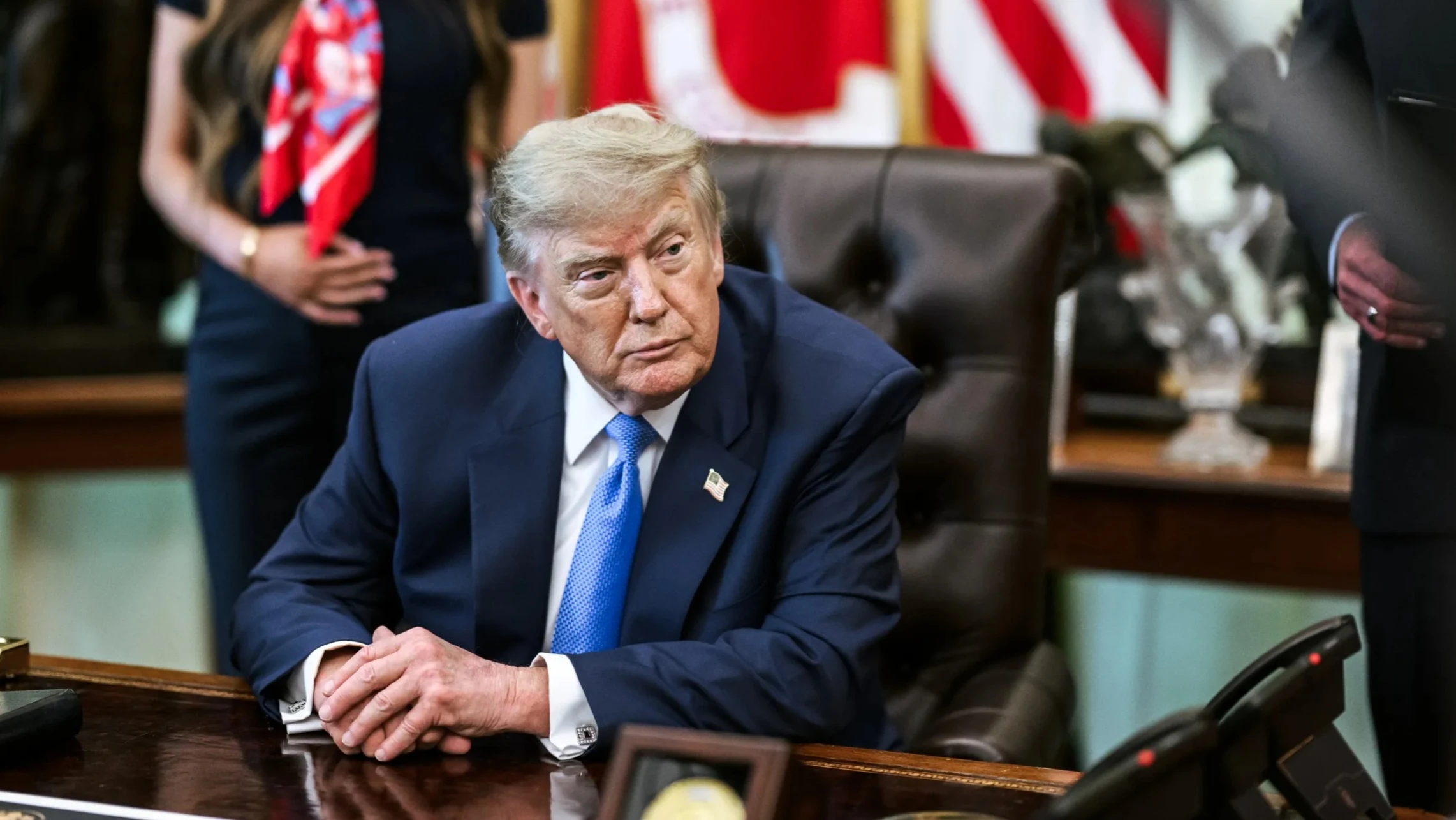
Meanwhile, U.S. President Donald Trump has threatened to strike Oman if it “stands in the way” of a deal between Washington and Tehran regarding the Strait of Hormuz. Muscat is simultaneously engaged in dialogue with the Iranian authorities—the two sides are discussing a possible framework for managing this waterway.
What People Are Saying in the Market
Given rising oil prices and the lack of progress in diplomatic relations between the U.S. and Iran, the Middle East remains a risk factor, says Chris Larkin, managing director of trading and investments at E*Trade within Morgan Stanley.
Meanwhile, Jason Stevens, founder of the investment firm Evertern Wealth, believes that as the U.S. midterm elections approach, the market is seeing “more factors driving oil prices lower than those driving them higher.” “Right now, the [Trump] administration is under enormous pressure to focus all its efforts on this [agreement with Iran] and achieve some results,” the expert added.
This article was AI-translated and verified by a human editor