"Consumers Are Feeling the Pressure": Shares of a Mid-Cap Auto Parts Retailer Plummeted 25%

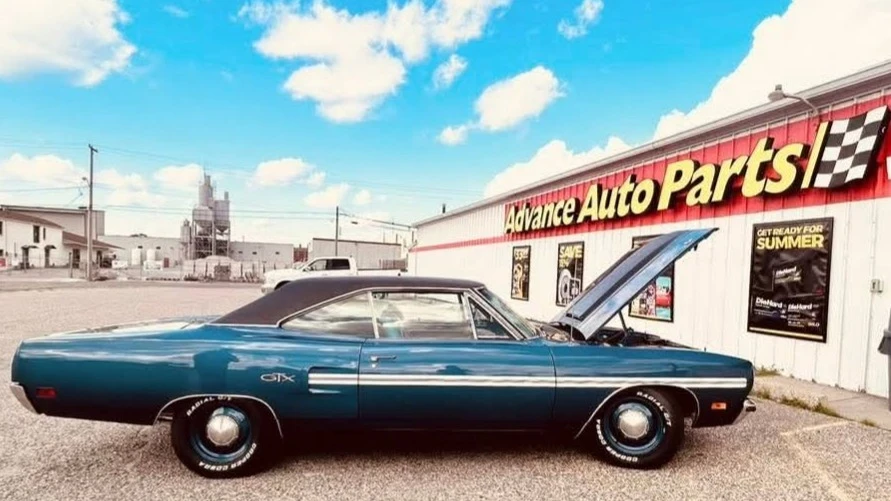
Advance Auto shares plummeted after the release of its earnings report / Photo: Facebook/advanceautoparts
Shares of mid-cap auto parts retailer Advance Auto Parts plummeted by nearly a quarter on August 20—to their lowest level since January. U.S. household spending fell more than expected, leading to a decline in the company’s comparable sales in the second quarter. “Consumers are under stress <...> But in the long term, the outlook for the industry is attractive,” said Advance Auto CEO Shane O’Kelly.
Details
Advance Auto shares fell nearly 25% on the New York Stock Exchange on August 20, closing at $42.4. This is the lowest closing price since January 20, 2026.
The company reported that in the second quarter of 2026, its comparable sales (calculated based on locations that have been in operation for more than a year) declined by 0.5% year-over-year. Sales to auto repair shops rose, while revenue from customers who perform their own car repairs fell, O’Kelly explained (his comments are quoted in an Advance Auto press release). “Households have cut back on spending more than we expected, especially in the last four weeks of the quarter,” he said.
Advance Auto's consolidated quarterly revenue remained at the same level as a year ago—$2 billion. However, adjusted earnings per share (EPS) for the reporting period rose 49% to $1.03. Approximately $0.31 of that increase was attributable to import duty refunds, the company explained. The Donald Trump administration imposed those duties in April 2025. In February 2026, the U.S. Supreme Court ruled them unlawful, and the Court of International Trade ordered their refund—totaling approximately $166 billion.
What's next?
Despite a weak quarter, Advance Auto reaffirmed its full-year 2026 guidance. According to that guidance, net revenue is expected to range from $8.49 billion to $8.58 billion, with comparable sales growth of 1–2%.
"Consumers are feeling the strain, but let's look at the situation from a longer-term perspective, because I don't think we'll remain in this position forever," O’Kelly said during a conference call with analysts (as quoted by The Motley Fool). He believes that, in the long term, the industry outlook “remains very attractive.”
The company raised its adjusted EPS guidance for this year—from $2.4–3.1 to $2.6–3.3—citing the impact of import duty refunds.
What Analysts Are Saying
Since the beginning of the year, Advance Auto's stock price has risen by nearly 8%—even after the sharp decline on August 20.
Wall Street, on the whole, is taking a wait-and-see approach: the company’s stock has 24 “hold” recommendations from analysts, three “sell” (Sell and Underweight) and two “Buy” ratings, according to MarketWatch. The average price target is $56.8, which is 34% higher than the stock’s last closing price.
Context
Alongside Advance Auto, Walmart, the largest retailer in the U.S., reported its earnings; its results are considered an indicator of consumer sentiment and spending in the country. The company reported a rise in comparable sales of just 2.6%, which, according to Bloomberg, was the lowest figure in more than six years. This led to a 9% drop in its stock price on August 20.
Lowe's Companies, a home improvement retailer, reported a 0.2% increase in comparable sales, prompting the company to lower its full-year 2026 revenue forecast from $92–94 billion to $92 billion. It no longer expects growth in comparable sales (it had previously forecast a 2% increase).