Dalio warns that the bubble may be nearing its peak. What advice does he give investors?
The founder of Bridgewater Associates believes that the overheated market is approaching the peaks seen in 1929 and 2000, and advises keeping an eye on triggers that could set off a decline

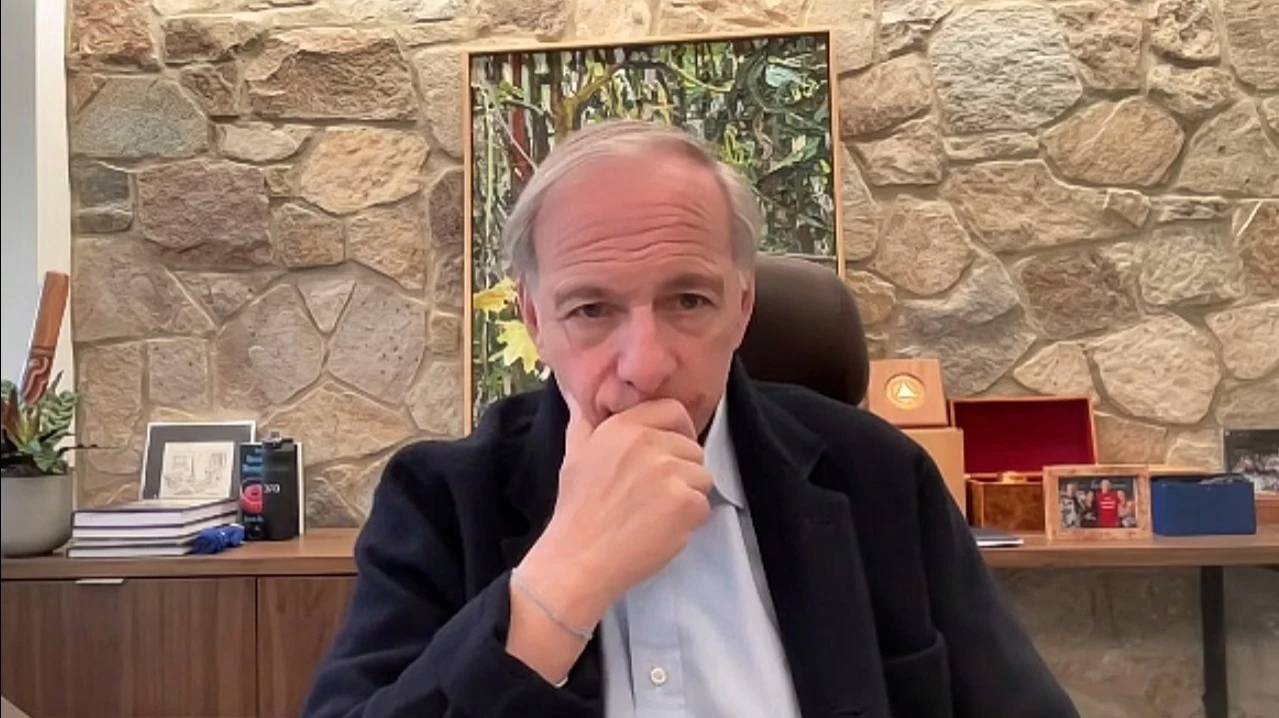
Ray Dalio believes the market has approached bubble peak levels, but that’s not enough to trigger a crash / A screenshot from Dalio’s online meeting with users of his chatbot
The market is now almost as overheated as it was on the eve of the 1929 crash and the dot-com crash in 2000, according to Ray Dalio, founder of Bridgewater Associates, the world’s largest hedge fund. However, a high level of overheating alone does not allow us to determine when the decline will begin or how long it will last, the investor said on the My First Million podcast. Dalio suggests monitoring the factors that could trigger the bursting of the bubble and structuring your portfolio in advance so that its performance does not depend on a market reversal.
Details
To assess market overheating, Dalio uses his own bubble indicator. He compares current metrics with data from various countries dating back to around 1900 and determines how closely the current situation resembles historical bubbles. According to Dalio’s indicator, the current degree of market overheating has already reached about 75% of the peak levels of the U.S. bubble before the Great Depression, which peaked in 1929, and the dot-com bubble of 2000, which ended with a crash in technology stocks.
That is already a high figure, although during the Japanese financial bubble of the late 1980s, the indicator rose even higher: At that time, both stocks and real estate were rising rapidly in price, but after peaking in 1989, their prices collapsed, marking the beginning of a long period of economic stagnation.
“If I rely solely on the bubble indicator, I can say with a high degree of certainty that the times ahead won’t be the best. I can’t say for sure whether this will last three years or the full ten years, but it certainly won’t be a good investment. However, the indicator won’t tell you the exact moment to enter or exit—to time it right, you need to understand exactly which trigger will cause this bubble to burst.”
According to Dalio, such a trigger could be a situation in which many investors need cash at the same time. This most often occurs when monetary policy is tightened.
"Typically, the scenario plays out like this: stock prices rise, bond prices fall, and the expected return on stocks becomes low relative to interest rates. When rates rise—for example, due to a reduction in liquidity by the regulator—the classic dynamic kicks in.”
Rising interest rates simultaneously reduce the relative attractiveness of stocks and create problems for investors who have purchased assets with borrowed funds. To repay their creditors, they begin to reduce their positions. Sales can also be triggered by other obligations requiring large payments—for example, the introduction of a wealth tax. If many investors are forced to sell their assets at the same time, there aren’t enough buyers willing to pay the previous prices, prices fall, and the bubble bursts.
"I don't want people to rush out and trade based on these words and things like that. I'm just trying to explain that there's a certain mechanism at work here. Do you understand? Every event has specific causes. And when you start to understand the mechanics of these cause-and-effect relationships, you begin to see right through the market and understand how it all works.”
This article was AI-translated and verified by a human editor