Defeating dementia: where Eli Lilly is investing $4 billion

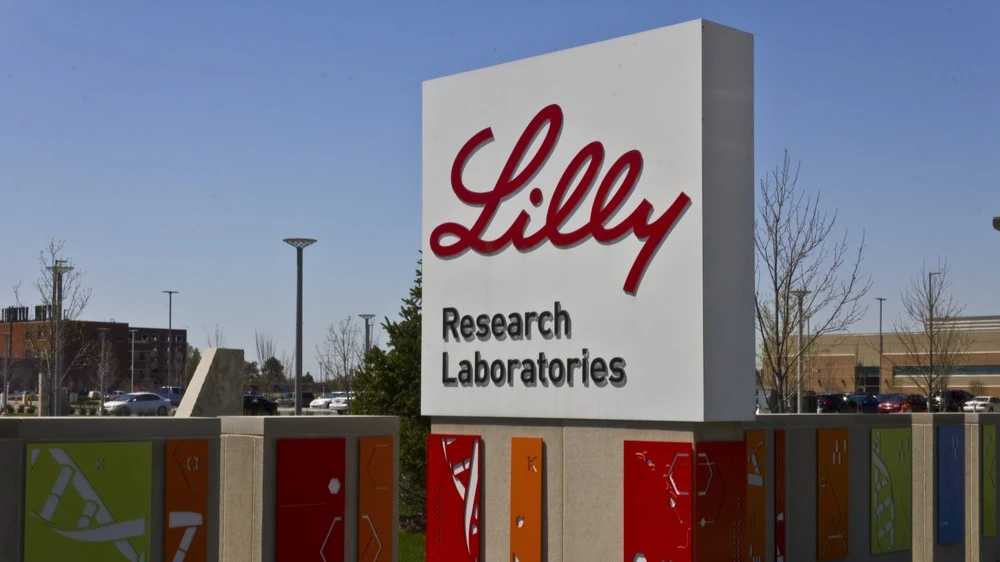
Growing revenues from weight management products allow Eli Lilly to actively increase investments and develop new directions. Photo: Jonathan Weiss / Shutterstock.com
Pharmaceutical giant Eli Lilly, known for its weight loss and diabetes medications, announced in late Ma that it was buying three vaccine developers for almost $4 billion. Curevo is creating a vaccine against adult shingles, LimmaTech is focusing on fighting bacterial pathogens, and Vaccine is developing a vaccine against Epstein-Barr virus. Ilya Yasny, head of scientific expertise at the pharmaceutical fund Lens Bio Ventures, told us what Eli Lilly is counting on.
Eli Lilly is the largest pharmaceutical company in the world, its capitalization already reaches almost one trillion dollars. The growth of revenues from GLP-1 class drugs (weight control drugs) allows it to actively increase investments and develop new projects.
In 2025, Eli Lilly's revenues totaled $65.2 billion, showing record growth of 45% over 2024. Mounjaro and Zepbound, which treat type 2 diabetes and obesity, accounted for more than half of the revenue. Net income totaled $20.6 billion, nearly doubling.
Eli Lilly has already made more than a dozen acquisitions this year, and in May one day announced the purchase of three more companies for a total of $3.8 billion in potential payments. Not all of this money will be paid immediately: first there will be an upfront payment, and then milestone payments.
Herpes vaccine... Or dementia?
All of the companies bought are pretty "early stage" companies. Curevo is working on a vaccine against the herpes virus, which causes shingles. There are already vaccines on the market against herpes, the best known of which is Shingrix, which is produced by the Belgian division of the pharmaceutical company GSK (GlaxoSmithKline).
There has been a great deal of interest in this area, as there is strong evidence of an association between vaccination against shingles and a reduced risk of dementia. However, so far all of this has come from retrospective studies. GSK is now conducting research to prove that this is not just a correlation, but that there is a causal relationship.
If this link is proven, vaccinating people over the age of 60-65 will be a big step in the fight against dementia, including Alzheimer's disease. So this is a significant acquisition for Eli Lilly. But its value is unlikely to be affected, at least until these companies show really good data in Phase IIIs and bring the drugs to market.
A vaccine against a virus... Or sclerosis?
The next company, which is called Vaccine, is developing a new generation vaccine against the Epstein-Barr virus. This virus, which causes infectious mononucleosis, is actually present in the body of 95% of the adult population of the planet. But its activation, according to meta-analysis, is a risk factor for multiple sclerosis. Therefore, there is an assumption that vaccinating people against this virus will not only reduce the risks of mononucleosis, but will also make it possible to prevent multiple sclerosis. This is difficult to prove because multiple sclerosis is relatively rare, despite the prevalence of Epstein-Barr virus. Therefore, it is likely that the vaccine will be registered for the prevention of infectious mononucleosis, and then, separate population studies will prove the association of the development of this disease with the risk of multiple sclerosis.
Vaccine against infections
LimmaTech is also still in the early stages. It makes vaccines against bacterial infections, primarily severe hospital infections. And this is a good opportunity to go into infectious diseases from the prevention side rather than the treatment side. As we know, medical problems are better dealt with prophylactically, before they manifest themselves. If it is possible to prove the effectiveness of such vaccination, it will reduce the need for antibiotics, and thus indirectly fight the problem of resistance.
Overall, such purchases show that Eli Lilly is very careful in choosing its strategy and diversifying its portfolio. It is no longer just a company that works in diabetes and obesity. It has long gone into, for example, oncology, neurodegenerative diseases, psychiatry - it has many different growth points and pillars to build a long-term sustainable business.
Judging by the interviews of the company's management, their planning horizon exceeds 20 years: they are looking at technologies that can transform medicine on a horizon of 30 years or more. And, in general, this is evidenced by the entire history of the company, which began back in the middle of the 19th century.
This article was AI-translated and verified by a human editor