Oil production in Kazakhstan has plummeted following the shutdown of the main terminal — Reuters
Production at the largest field has been cut in half

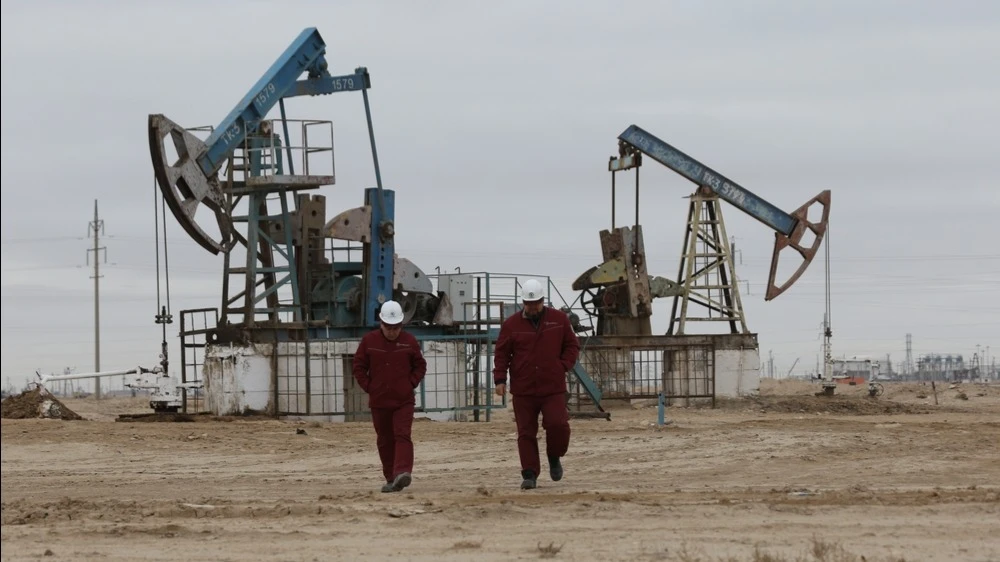
Kazakhstan has sharply reduced oil production due to the shutdown of a terminal / Photo: Pavel Mikheyev / Shutterstock.com
Oil production in Kazakhstan has fallen sharply following the suspension of shipments to a terminal on the Black Sea, which serves as the main route for exporting crude from the country and was recently targeted by drone attacks, Reuters reported, citing two sources.
The decline was particularly sharp at Kazakhstan’s largest oil field, Tengiz, which is operated by Chevron, according to Reuters. One of its sources reported that production there had more than halved—to approximately 406,000 barrels per day on Wednesday, July 22—compared with an average of 925,000 barrels per day this month.
Total oil and gas condensate production in Kazakhstan fell on Wednesday to 1.63 million barrels per day from the July average of 2.07 million barrels per day, an agency source noted.
Chevron and Kazakhstan's Ministry of Energy did not respond to a request from Reuters.
Context
Kazakhstan has suspended oil shipments via pipeline to the Caspian Pipeline Consortium (CPC) terminal in the Russian port of Novorossiysk due to drone attacks on oil tankers in the Black Sea. The CPC accounts for more than 80% of Kazakhstan’s oil exports.
On July 19, drones attacked the tankers ASIA and NISSOS IOS on the CPC pipeline while they were loading oil from Kazakhstani fields. On July 20, the tanker NELSA, which was loading oil, was attacked by a drone. Earlier in July, in the CPC area, drones also attacked the Chevron oil tanker, which was being used to transport Kazakhstani oil, and the Nordic Zenith tanker, which was en route to the terminal. Ukraine has not claimed direct responsibility for these attacks, but in recent days, Ukrainian military officials have mentioned several attacks on unnamed oil tankers in the Black Sea, Bloomberg reported.
The suspension of shipments via the CPC pipeline, through which nearly 2% of the world’s oil is exported, is heightening fears of disruptions and shortages in global oil supplies at a time when the U.S. war with Iran and threats from the Houthis in Yemen have already disrupted supplies from Saudi Arabia and other Gulf producers.
The price of Brent crude rose above $100 per barrel on Thursday, July 23, for the first time since May. Since July 10, when the latest round of tensions between the U.S. and Iran began, the price has risen by about 30%, Bloomberg noted.
This article was AI-translated and verified by a human editor