Dollar Hits 17-Month High: Investors Seek Shelter from Mounting Problems in Europe
The U.S. dollar is rising, although expectations of an imminent Fed rate hike have eased following the release of inflation data

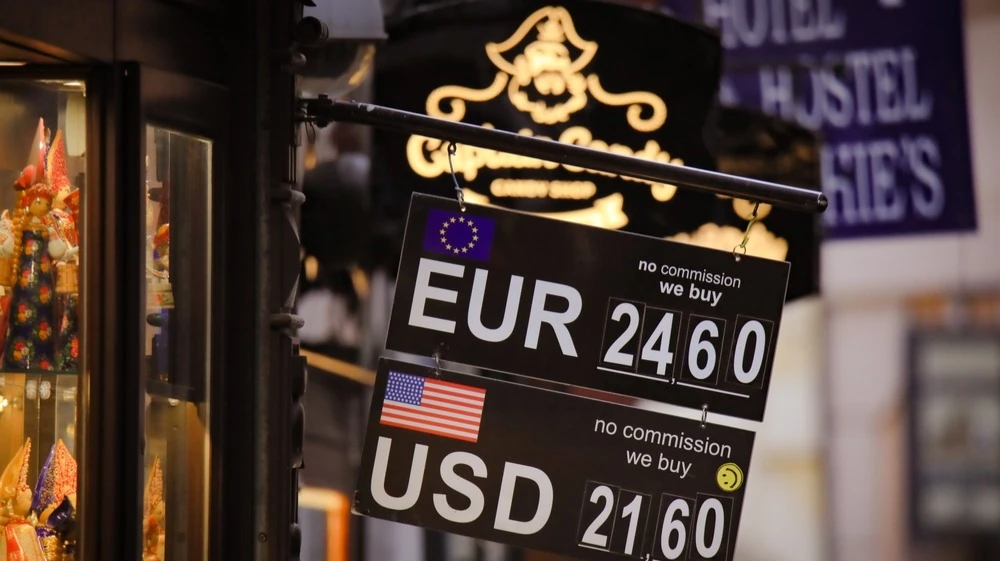
The Dollar Benefits from Europe's Problems / Photo: Dave Primov/Shutterstock.com
On the morning of October 2, the dollar reached a 17-month high against a basket of six major currencies, with its index standing at 101.93 points, according to Reuters. The U.S. currency is on track to close out its third consecutive week of gains, up about 1%. Meanwhile, the euro is trading near its lowest level since May 2025. Concerns about the state of France’s public finances have intensified the pressure on the euro, the agency notes.
The dollar is strengthening amid a global bond sell-off that has pushed borrowing costs to multi-year highs. Yields on benchmark debt securities—10-year Treasuries— jumped the previous day to their highest level since 2002.
Demand for Protection
The dollar is rising, even though expectations of an interest rate hike in the United States have eased: inflation in the world’s largest economy in August came in below forecasts, and traders now consider it less likely that the Fed will tighten policy as early as October. TD Securities strategist Prashant Neunaha attributes the demand for the U.S. currency to a search for a hedge against European risks: “This is a flight to safe-haven assets triggered by events in Europe. In such a scenario, we should expect the dollar index to rise and the yen to strengthen” (quoted by Reuters).

A significant portion of the dollar’s strength came from its rise against the euro, Reuters notes. Investors are wary of political risks in Europe and the energy shock caused by the seven-month war in the Middle East. Under this pressure, the euro lost ground not only against the dollar but also against the yen and the Swiss franc, the agency notes.
Exchange rate for the tenge
Meanwhile, Deutsche Bankadvises selling the dollar for tenge. On September 25, analysts at Germany’s largest investment bank set an entry price of 448 tenge per dollar and a target of 435. The recommendation is valid for several months: by the end of 2026, Deutsche Bank still expects the Kazakhstani currency to weaken to 490, and by the end of 2027—to 540 per dollar.
This article was AI-translated and verified by a human editor