Dow Jones posted best growth in a year: results of the first day of the truce between the US and Iran

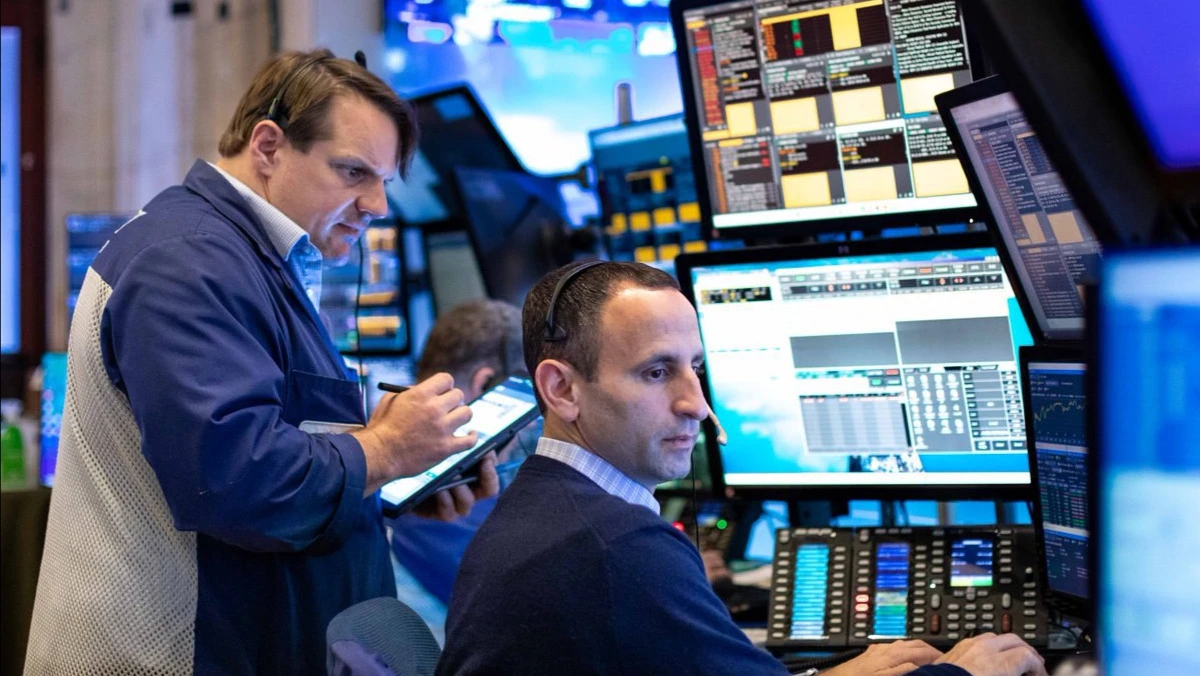
Photo: X / NYSE
U.S. stocks rose sharply at the end of trading on April 8, the first session since the truce between the U.S. and Iran. Although by the end of the trading day the rally slowed down - amid Tehran's statements about ceasefire violations by the U.S. military, the Dow Jones showed the best growth since April 2025, CNBC calculated. Other indices also remained in significant plus.
Oil prices, meanwhile, suffered their biggest one-day drop since the coronavirus pandemic and the seventh-largest on record, according to Dow Jones Market Data cited by The Wall Street Journal.
Details
- The S&P 500 broad market index rose 2.5 percent on April 8.
- The blue-chip index Dow Jones Industrial Average jumped 2.85%. For him, this was the best day since the growth in April 2025, when U.S. President Donald Trump announced the first easing in trade policy.
- The Nasdaq Composite Technology Sector Index added 2.8%.
- The Russell 2000 index of small and mid-capitalization companies was up nearly 3% for the day.
- The so-called Wall Street VIX fear index fell 18% to 21 points. This is the lowest level for the month. Anything above 20 points is considered a psychologically important mark indicating high volatility.
- Brent crude futures fell 12% and WTI crude futures fell nearly 15%, the biggest one-day drop since April 2020, CNBC wrote, with both Marks trading just above the $96 per barrel mark.
What investors were watching
A two-week ceasefire between the U.S., Israel and Iran announced Tuesday night sparked a stock market rally. U.S. stocks got an additional boost after Trump said he would work with the Islamic republic to remove nuclear materials from the country and that the two sides were discussing easing duties and sanctions.
Under the terms of the ceasefire, Iran was supposed to unblock the Strait of Hormuz, through which more than 20% of the world's oil exports pass. For the first day, according to the MarineTraffic ship tracking service, only two ships have managed to pass through, while 426 tankers remain blocked in the Persian Gulf. Meanwhile, Iran's state-run Fars news agency reported Wednesday that traffic through the strait had stopped after an Israeli strike on Lebanon. And then Tehran accused Washington of violating three points out of 10 in the cease-fire agreement. That cut the pace of gains in U.S. indexes.
Due to the sharp drop in oil prices, caused by the truce and hopes for the resumption of traffic in the Strait of Hormuz, the shares of energy companies fell in price. Quotes of Exxon Mobil and Chevron fell by more than 4%.
In contrast, companies whose securities investors shied away from as they reduced their risk appetite during the war rose on Wednesday. The VanEck Semiconductor ETF added more than 5% as securities of semiconductor makers vulnerable to supply chain disruptions rose. Shares of chipmaker Broadcom rose nearly 5%, while memory chip maker Micron Technology gained more than 7%.
The implications of war with Iran were discussed at the U.S. Federal Reserve's March meeting, minutes released Wednesday showed. Most participants said the war could lead to the need for looser monetary policy if rising gasoline prices hit the labor market and consumer spending. Regulators said they need to remain "flexible" in assessing the impact of the conflict on inflation, which remains above target, and on employment, whose growth has been generally subdued over the past year. The consensus of Fed meeting participants suggests one rate cut this year - unchanged from the December forecast, CNBC emphasized.
What the analysts are saying
- "The announcement of a pause in the Iran conflict wasn't a big surprise. The market has gotten much better at 'reading' Trump's next moves," Freedom Capital Markets chief strategist Jay Woods told CNBC. - "The question now is whether this now familiar 'two-week' deadline will lead to a resolution."
- "The ceasefire is clearly a positive, but it is not a solution to the conflict," Nationwide chief investment officer Mark Hackett wrote. - What stands out is how quickly the market reversed once the pressure eased. When positions become so congested, all it takes is a spark to trigger a reversal."
- The temporary truce has allowed global investors to start reassessing portfolio structure and prepare for a shift in market leadership in anticipation of a more sustained cessation of hostilities, Sam Stovall, chief investment strategist at CFRA Research, said in an interview with Bloomberg. He added that the market's reaction to the recession and bearish trend during Iraq's 1990 invasion of Kuwait can serve as a benchmark: three months after oil prices peaked and then fell, the S&P 500 index was up 12.4 percent. "Moreover, market leadership has shifted from defensive assets back to cyclical sectors," Stovall emphasized. - A similar rotation could occur now if the cease-fire holds."
- Investors are returning to a global growth-oriented strategy: they appear to be betting on a speedy end to the war in Iran despite a host of unresolved issues, JPMorgan notes. "Overnight, the market has already reverted to the Global Growth Reboot scenario that started the year," the analysts wrote in a note to clients cited by MarketWatch. - If that's the end of it - meaning no prolonged conflict along the lines of the Iraq war - markets will be able to ignore the noise and this trend will continue."
- Hedge funds rushed Wednesday to close positions against U.S. stocks at a pace not seen since the market recovered from the March 2020 pandemic-induced collapse, according to Goldman Sachs' trading unit.
This article was AI-translated and verified by a human editor