Brent back above $95: Iran halts tanker passage through the Strait of Hormuz - mass media

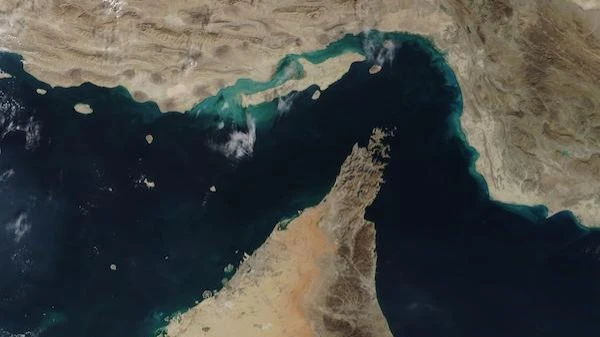
Strait of Hormuz / Photo: MODIS Land Rapid Response Team, NASA GSFC
The cost of Brent crude oil rose back above $95 per barrel, although it fell below $91 during trading. At the same time, Brent still remains about 13% cheaper than it was at the close of trading a day earlier. US WTI crude oil cheapened by 16% to $95.4 per barrel.
U.S. stocks slowed a bit compared to the opening bell, but the three major indices were still up more than 2%, with the tech-heavy Nasdaq Composite rising the most. The Russell 2000 index of small and mid-capitalization companies added 3.2%.
Why oil has slowed its decline
Iran has stopped the passage of oil tankers through the Strait of Hormuz due to Israeli attacks on Lebanon, Bloomberg reports citing Iranian news agency FARS. Before that on Wednesday, two ships successfully passed through the strait after receiving permission from the Iranian side, Fars said.
The opening of the strait is stipulated in the US-Iran ceasefire agreements. However, Iran has threatened to withdraw from the agreement if Israel continues to attack Lebanon, a source told Iran's Tasnim news agency, he was quoted as saying by the Financial Times. Israel on Wednesday orchestrated the strongest wave of strikes on Lebanon since it began its campaign against the Lebanese group Hezbollah, the FT noted. US President Donald Trump told PBS that Lebanon is not part of the ceasefire deal "because of Hezbollah", the network's correspondent Liz Leenders reported.
Also attacked on Wednesday was a pumping station on a Saudi oil pipeline that carries crude from the Persian Gulf coast to ports on the Red Sea, sources told the Financial Times and Bloomberg. Riyadh has increased oil shipments through the pipeline to ensure crude exports bypass the Strait of Hormuz after the U.S. war with Iran began. The damage from the drone attack on the pipeline is small, and deliveries through it have not stopped, Bloomberg's interlocutors said.
Context
The U.S. and Iran on Tuesday, April 7, agreed on a 14-day ceasefire, implying the resumption of shipping in the Strait of Hormuz.
However, fighting in the region continued on Wednesday. In particular, Kuwait's armed forces claimed to have intercepted four ballistic missiles and 42 drones over the past 24 hours. The UAE counted 17 missiles and 35 drones since the ceasefire, Saudi Arabia reported nine intercepted drones, and Qatar reported seven missiles and several drones from Iran, the Financial Times reported.
This article was AI-translated and verified by a human editor