Forbes Named the Most Successful Small-Cap Companies in the U.S.
The shipping company Dorian LPG topped the rankings thanks to rising freight rates caused by disruptions in the Strait of Hormuz

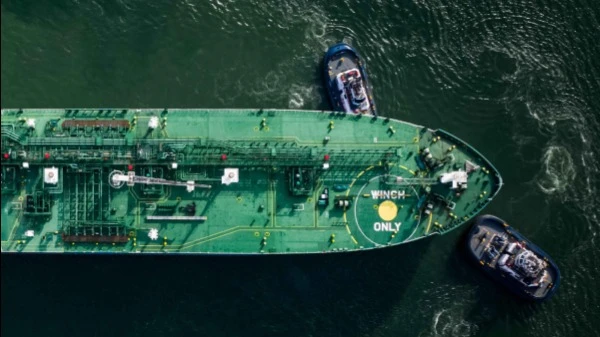
Photo: www.dorianlpg.com
The shipping company Dorian LPG topped Forbes’ annual ranking of the 100 U.S. small-cap companies. Over the past year, its stock price has more than doubled, and its quarterly profit has nearly quadrupled. Disruptions to shipments through the Strait of Hormuz led to higher freight rates, which benefited the company, while the broader small-cap market has lagged behind the S&P 500 since the start of the war in Iran.
How Dorian LPG Benefited from Rising Freight Rates
Before hostilities began, nearly 30% of the world’s seaborne liquefied petroleum gas shipments passed through the Strait of Hormuz. When shipments through the strait were disrupted, buyers in Asia began looking for suppliers farther from home. Dorian LPG transports propane and butane and has focused on voyages from North America to Asia via the Panama Canal or around the southern tip of Africa. According to Dorian LPG CEO John Hadjipateras, the longer voyages have reduced the number of available vessels and pushed freight rates to record levels.
In the second quarter of fiscal year 2027, which ended on September 30, Dorian’s vessels generated an average of $96,990 per day, an 81% increase from the previous year. Profit rose from $55.4 million to $213.9 million, of which $63.6 million came from the sale of two vessels. Revenue increased by 78.4% year-over-year to $221.3 million. In late October, Dorian announced a dividend of $1.25 per share. The total payout amounted to $54 million, nearly double the amount from the previous year.
Who else made the list?
PaySign (2nd place). The company issues payment cards for plasma donors and helps patients pay for prescription drugs. Its revenue grew by 47%, to $101 million.
Penguin Solutions (5th place). Revenue for this provider of AI infrastructure hardware and software rose 26% to $1.7 billion, and its stock gained 131%.
Innovative Aerosystems (6th place). The aviation electronics manufacturer’s revenue rose 20% to $93 million, and its stock price increased 123%. Civil aviation accounted for the bulk of this growth.
Madison Square Garden Entertainment ( 7th place). Shares of the operator of New York’s Madison Square Garden and Radio City Music Hall rose 82% amid strong demand for concerts and record ticket sales for a Christmas show.
FIGS (9th place). The revenue of this manufacturer of medical apparel rose by 25% to $710 million, and its stock price rose by 174% over the year.
Vita Coco ( 11th place). The coconut water producer's revenue rose 26% to $768 million.
Riley Exploration Permian ( 12th place). Revenue for the Texas-based oil producer rose 23% to $484 million, and its stock gained 116%. Rising oil prices boosted the company’s profits, notes Forbes.
Pangaea Logistics Solutions ( 21st place). The ocean carrier’s revenue increased by 23% to $710 million, and its average daily freight rate rose 50% year-over-year in the second quarter.
Argan (24th place). Revenue for the power plant builder rose 29% to $1.2 billion. In addition to demand from data centers, CEO David Watson is counting on orders for the replacement and repair of aging power plants.
What was happening in the small-cap market?
Over the 12 months through the end of October, the iShares Russell 2000 ETF returned 14.6% including dividends, while the Vanguard S&P 500 ETF returned 12.1%. According to Forbes, over this annual period, small-cap stocks outperformed large-cap stocks for the first time in five years. However, from the start of the war in Iran in late February through the end of October, the Russell 2000 fund gained 7.6%, compared with 11.1% for the S&P 500 fund, Forbes reports.
Justin Levengood, senior portfolio manager at Invesco, attributes the earlier rally in small-cap stocks to relatively low valuations, faster earnings growth, and expectations of lower interest rates. Rising energy and borrowing costs following the start of the war have complicated the recovery. As Anna Ratban, CEO of Grenadilla Advisory, notes, small companies are particularly sensitive to rising interest rates, as they often borrow at floating rates.
How the ranking was compiled
Forbes and FactSet selected 649 companies with market capitalizations ranging from $300 million to $5 billion, a share price of at least $5, and revenue growth over the past 12 months. The final ranking took into account earnings and revenue growth, return on equity, and total shareholder return over five years. Greater weight was given to metrics from the past 12 months. Data is as of October 30, 2026.