"The Price of Fear": Shipping Company Stocks Outperformed the S&P 500 by a Factor of 5 Due to the War in Iran

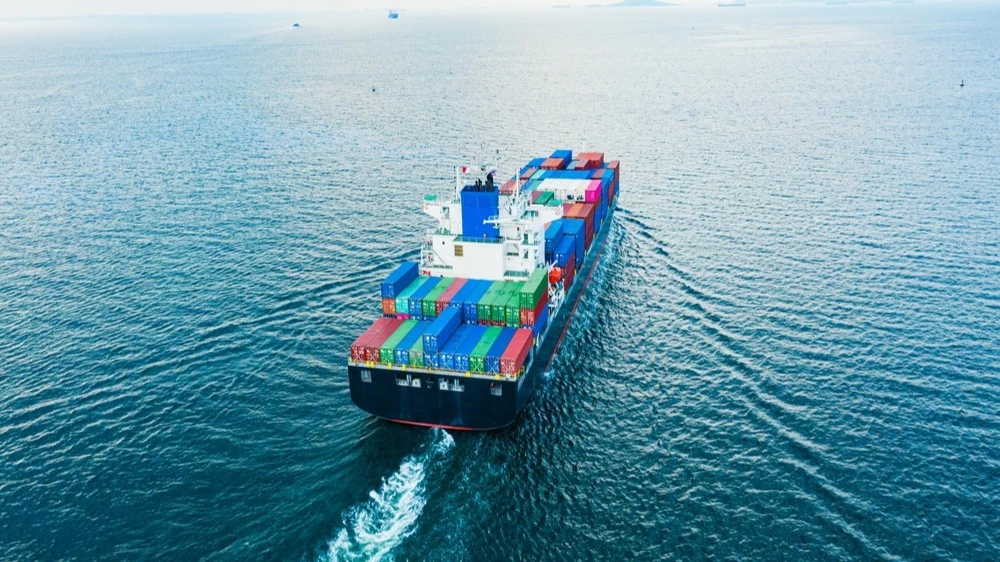
Shipping company stocks have soared to their highest levels in the past ten years or more / Photo: AU USAnakul / Shutterstock.com
Shares of shipping companies have soared to multi-year highs as the protracted crisis in the Strait of Hormuz is limiting the global supply of ships and driving up freight rates, according to CNBC. However, analysts surveyed by CNBC warn that a de-escalation of the conflict in the Middle East or a peace agreement between Russia and Ukraine could quickly wipe out the gains driven by the current uncertainty.
Details
A basket of 35 U.S. and European shipping company stocks tracked by the Lloyd’s List Intelligence analytical platform has risen in price by approximately 68% this year, more than five times the growth of the S&P 500 index. According to Lloyd’s data cited by CNBC, the rally was led by shares of crude oil tanker owners, which have risen 120% since the beginning of the year. They are followed by operators of car carriers, gas carriers, and dry bulk carriers.
According to LSEG, shares of LNG carrier BW LPG and tanker operator International Seaways surged to all-time highs. Shares of container operators Frontline and Teekay Tankers rose to their highest levels since 2011, while Danaos shares reached levels last seen in 2008. Safe Bulkers and Navios Maritime Partners are also trading at multi-year highs.
The Breakwave Tanker Shipping ETF, which trades in short-term charter contracts for crude oil tankers, has risen 650% since the start of the war in the Middle East and more than 2,300% this year.
What Analysts Are Saying
The U.S.-Iran war has led to widespread disruptions in shipping through the Strait of Hormuz —once one of the busiest oil transport routes in the world. This has forced tankers to take longer routes and caused insurance costs to rise, which has reduced the effective supply of vessels, according to CNBC.
“Shipping provides a kind of hedge against geopolitical instability,” Andreas Povlsen, managing director of Hayfin Capital Management, said in a comment to the TV channel. He noted that freight markets have also benefited from the volatility caused by the coronavirus pandemic and the conflict between Russia and Ukraine.
Even before the war in the Middle East began and its impact on the Strait of Hormuz, the tanker and dry bulk markets were poised for a strong 2026 following a decade of underinvestment, Jay Mintzmeyer, founder and president of Value Investor’s Edge, told CNBC. In his view, dry bulk carriers are in the strongest position should disruptions continue. The war with Iran “has added fuel to the fire of an already strong market,” he concluded.
“Even if the conflict in Iran ends, the situation is unlikely to return to the status quo that existed before the war,” says Nicholas Tirogalas, CEO of the investment firm Tufton Investment Management. According to him, once economies find alternative suppliers, they generally do not revert to their previous arrangements, preferring diversification to manage the risks of future disruptions.
Not all of this growth is sustainable, agrees John Kartsonas, founder and managing partner of Breakwave Advisors. “A significant portion of this premium is simply the price of fear, and it will quickly fade once the situation in the Strait of Hormuz returns to normal,” he said. According to him, the current cycle is driven by geopolitics and operational inefficiencies in shipping, “rather than by actual new demand for maritime transport.”
This article was AI-translated and verified by a human editor