Gold Has Returned to a Buying Level After Its Sharpest Sell-off Since March — Maybank
Expectations of a more accommodative monetary policy in the U.S. and macroeconomic factors are driving demand for the precious metal

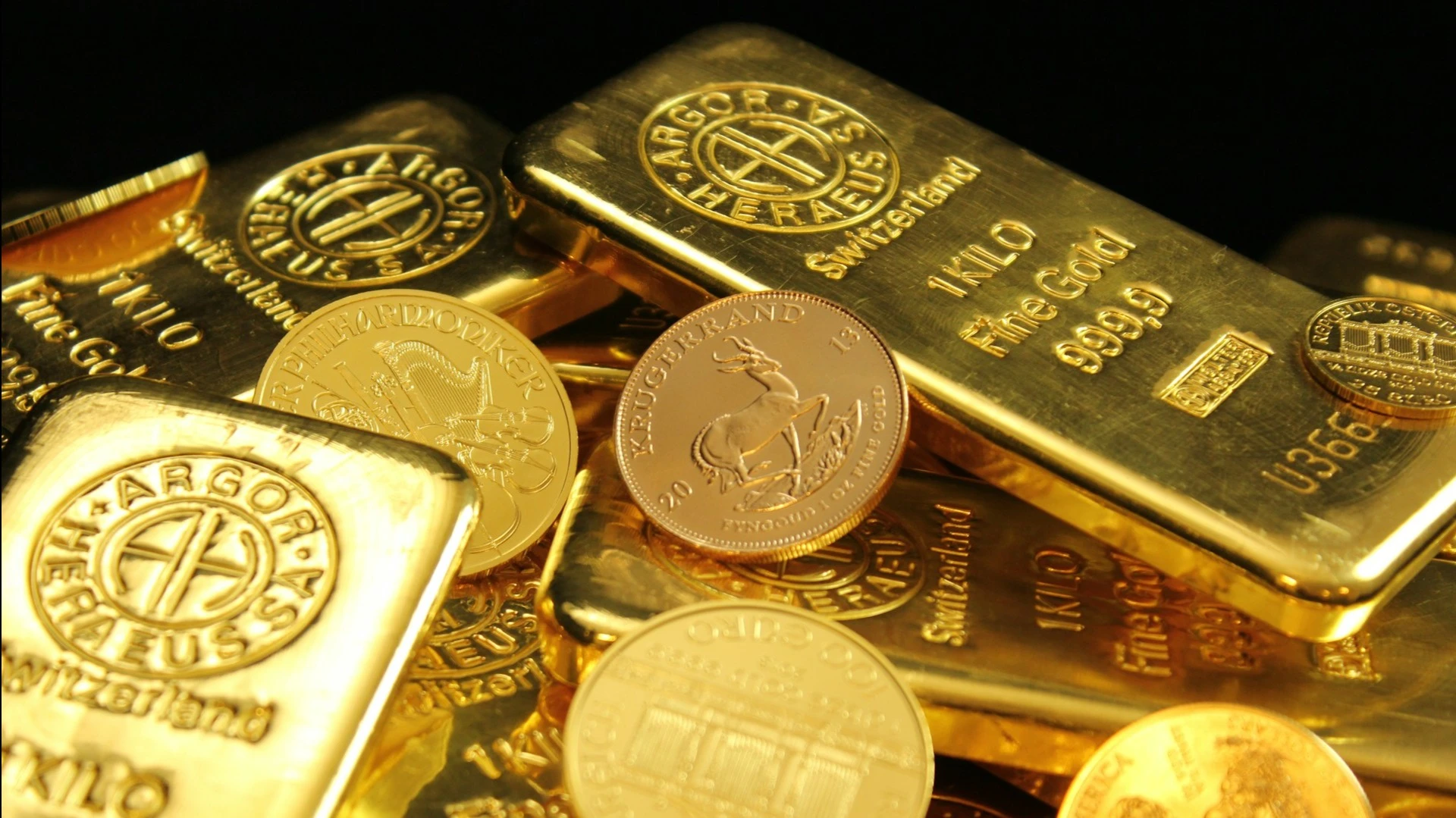
Gold prices fell throughout all five trading days last week / Photo: Zlaťáky.cz
Gold reached levels attractive for buying during Asian trading on the morning of November 23, according to The Wall Street Journal, citing analysts at Maybank. The spot price of gold rose nearly 3% on Monday to $3,637 per troy ounce. The precious metal resumed its upward trend after falling last week at its fastest pace since March.
“The Democrats’ agenda to lower the cost of living, repeal [U.S. President Donald] Trump’s tariffs, and end the war [with Iran]—all of these are disinflationary measures that could prove more favorable [for gold], — according to Maybank analysts. In their view, a slowdown in U.S. economic growth—and possibly global growth as well—could create a macroeconomic backdrop for a reassessment of expectations regarding the Fed’s policy easing, which could attract additional buyers of the precious metal.
Last week, the price of gold fell by nearly 9%, with the price declining for five consecutive days. The price of the precious metal dropped to its lowest level since September 2025. At the same time, silver fell in price by about 15%. The market was affected by a sell-off in artificial intelligence stocks, which coincided with “hawkish” comments from Federal Reserve officials suggesting a desire to raise interest rates, according to analysts at ANZ Research, as quoted by the WSJ.
“We are seeing extremely minor signs of a large-scale outflow of funds from gold,” wrote Daniel Gali, head of metals strategy at Deutsche Bank (as quoted by Bloomberg). According to him, gold’s price fluctuations are due to a “liquidity vacuum”: buyers are leaving the market, yet there are no significant capital flows that could trigger such sharp price changes.
The decline was exacerbated by investors reducing their overleveraged positions on the Shanghai Futures Exchange and in Chinese exchange-traded funds, according to analysts at TD Securities. The sell-off in the gold market was linked to waning market optimism regarding AI and expectations of a hawkish stance by the U.S. Federal Reserve: these developments are also fueling concerns within the gold market itself about a stock market pullback, a sharp rise in interest expenses, stagflation, and fiscal policy, TD Securities explained. “These concerns remain the main long-term drivers of precious metal price increases,” they concluded (as quoted by Bloomberg).
This article was AI-translated and verified by a human editor