IBM's Worst Day, SK Hynix's Record Plunge, and the "Earnings Bubble" in AI
This Week's Highlights on Oninvest

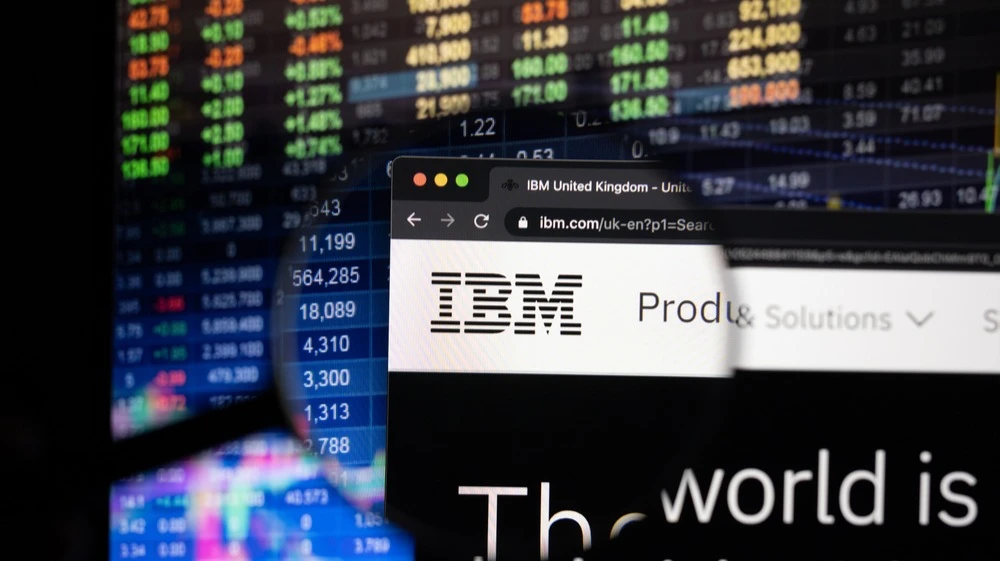
IBM's stock plummeted by a quarter this week. Will it be able to "rise from the ashes" again by changing its business model? Photo: DennisF / Shutterstock.com
It was a turbulent week: the market was in turmoil, bank and corporate earnings reports added to the jitters, and there were even some ripple effects from IPOs.
IPO Mania and Its Consequences
As a result, SK Hynix’s U.S. debut sent its shares in Seoul plummeting by a record 15.4%: investors began shifting from Korean stocks to the company’s American Depositary Receipts (ADRs), which began trading in the U.S. Oninvest Editor-in-Chief Elena Tofanyuk explained why SK Hynix’s IPO caused such a stir.
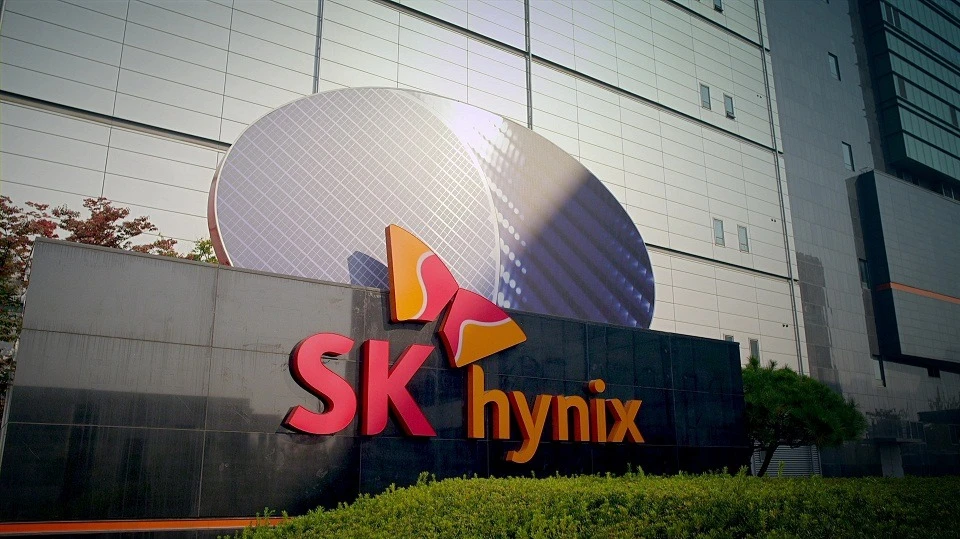
Shares of SK Hynix’s direct competitor, Samsung Electronics, also fell. Shares of other semiconductor companies came under pressure: Micron Technology, SanDisk, Seagate Technology, AMD, and Intel all declined.
After a few days of respite, Samsung and SK Hynix shares fell again. The sell-off began ahead of TSMC’s earnings report: after the KOSPI rose by more than 60%, investors began taking profits and reducing their positions. Judging by this market reaction to TSMC’s and ASML’s earnings reports, Nvidia and Micron will have to deliver flawless results to sustain further growth in the semiconductor sector.
Samsung has once again made headlines with news that it is exploring the possibility of a secondary offering in the U.S. Investors should probably consider the risk of a repeat of the SK Hynix scenario—a shift of liquidity into ADRs and pressure on the stock in Seoul. But it seems that any offering is currently causing an unhealthy frenzy.
This weekend, we’ll be publishing an article on the IPO frenzy of 1791: we’ll explain how Americans discovered the thrill of the stock market and how closely this parallels SpaceX’s IPO. Incidentally, the space company’s stock fell below its IPO price this week. Most analysts remain optimistic about the stock, but Wall Street veteran George Noble believes the decline is unlikely to stop: in his view, SpaceX’s fair value does not exceed $30.
The Worst Day
By the end of the week, IBM’s stock had plummeted by 25%. The company warned of weak quarterly results. It was its worst day in nearly 60 years. Renowned short seller Michael Burry believes IBM’s stock could fall another 50%. He points out that the company has “risen from the ashes” more than once by changing its business model: in the 1960s, it separated software from hardware, and in the 1990s, it shifted its focus to software and consulting.
IBM may be on the verge of yet another forced transformation. Will the phoenix really have to burn to the ground all over again?

Shares of other software companies, including Workday and ServiceNow, also fell. Journalists are already suggesting we call what’s happening the “Mainframe-alypse” (we hope this term doesn’t catch on).
The AI sector is also a source of anxiety
The AI sector has generally held up well this week, although Goldman Sachs believes the AI boom has already reached the same scale as the dot-com boom. It’s following a different trajectory. Analysts are talking about a “profit bubble”: stock prices are being driven by expectations that the high profits of AI infrastructure providers will continue.
Microsoft CEO Satya Nadella also spoke about AI with some caution. He believes that companies that rely on third-party models end up paying twice: first with money, and then with confidential knowledge that must be disclosed for the AI to be useful.
What else did we write about this week?
Yulia Petrova and Mikhail Tegin examined how Revolut plans to increase its valuation from $75 billion to $150–200 billion by the time of its IPO. The main question is: Can the company become a global bank while maintaining its growth rate and high fintech multiples? Expanding lending and entering new markets simultaneously open up new sources of revenue while increasing regulatory and credit risks.
Mikhail Tegin investigated how Strive, a company whose main asset is Bitcoin, became the first in the U.S. market to launch daily dividends with a yield of nearly 14% per year.
JPMorgan Chase CEO Jamie Dimon this week identified the key qualities of his potential successor: resilience and spirit. Since you can’t see those qualities on a screen, we turned to more measurable criteria and selected young investors who may one day become investment gurus.
This article was AI-translated and verified by a human editor