Gold is on track for its best week since January. How can you bet on the rally continuing?
For those concerned about inflation and the Federal Reserve’s unpredictability, shares in gold mining companies may prove to be a good investment, according to MarketWatch

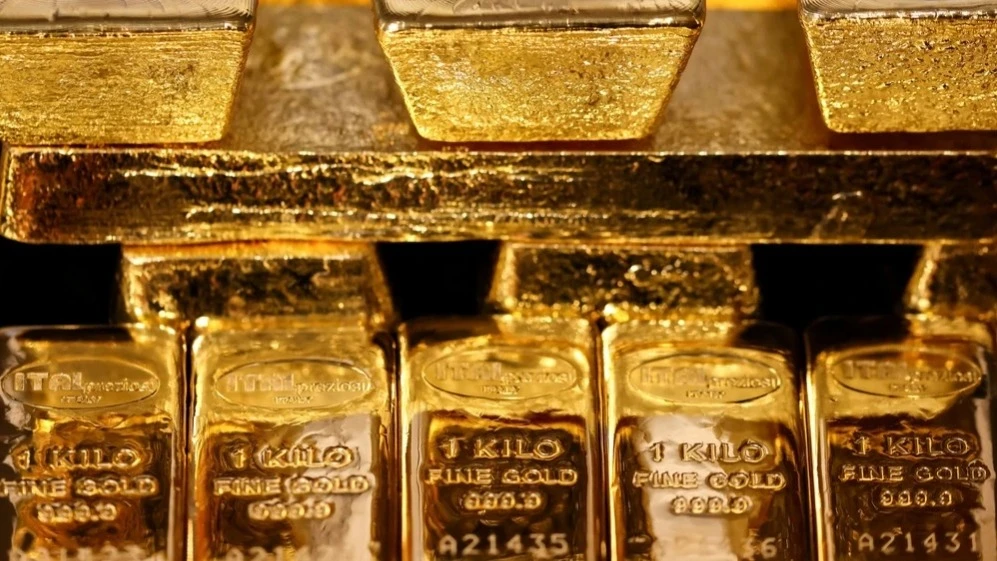
Gold has risen by more than 5% since the beginning of August and is on track for its best week since January / Photo: Alessia Pierdomenico/Shutterstock.com
Spot gold rose 0.86% during trading on August 7, reaching nearly $4,276 per troy ounce. The day before, prices hit a seven-week high, and since the beginning of August, they have gained more than 5% and, according to Reuters, are on track for their best weekly performance since January. The decline in oil prices provided support for gold prices. Investors are now awaiting the July U.S. jobs report, which is due out today and could shed light on the outlook for interest rates—their movements directly affect the non-interest-bearing precious metal.
In July, gold hit a low below $4,000 per ounce, losing about 30% from its January peak. Hopes for peace in the Middle East dampened inflation expectations, which allowed the metal to break out upward after several weeks of consolidation above $4,000, Reuters reports, citing StoneX analyst Matt Simpson.
The rise in gold prices and the shares of gold producers is logical, as it reflects investors’ concerns “about the future trajectory of inflation and efforts to combat it,” Noah Weisberger, chief strategist at BCA Research, told MarketWatch. This could mean that the precious metal has room to rise—perhaps even to new record highs, the publication suggests. “If inflation proves persistent, any loss of confidence in the Fed will be reflected in higher prices for gold and gold mining stocks. One of the reasons we’re adding gold mining stocks or gold positions to our portfolio is the risks in the bond market,” the strategist added.

Production Rate
There are various ways to profit from gold’s continued rise: through futures, physical gold funds such as SPDR Gold Shares, or—if an investor is counting on greater potential—through shares in the mining companies themselves. The argument in favor of the latter option is the relatively low valuations of some of the industry’s largest players, according to MarketWatch.
The largest sector ETF is the VanEck Gold Miners ETF, with $25.4 billion in assets. It is passively managed and holds shares in 59 mining companies from nine countries. Investors typically focus on the forward P/E ratio, which is calculated by dividing the stock price by the consensus earnings per share forecast for the next 12 months. But for an industry so dependent on volatile commodity prices, it may be more useful to calculate the P/E ratio based on actual earnings for the year, according to MarketWatch. According to FactSet, the VanEck Gold Miners ETF’s P/E ratio based on actual earnings is 14.1, compared with 28.1 for the S&P 500.
Weisberger of BCA calls the low valuations of gold miners “worth noting,” since many of them have improved their profitability and cleaned up their balance sheets. “The main risk is gold prices themselves, but [gold miners] are a fairly pure play on equities, which is why we like them,” he said.
In addition to providing protection against macroeconomic risks, the strategist sees another advantage in the sector. “If you’re looking for a diversified exposure within the stock market, VanEck Gold Miners doesn’t correlate with any of the themes surrounding artificial intelligence,” he noted. According to Weisberger, “in a market where growth is driven by companies with negative cash flow, it’s a good idea to also have companies in your portfolio that generate cash.”
This article was AI-translated and verified by a human editor