Central banks sharply reduced their gold purchases in early 2026—to a 15-year low
The WGC lowered its estimate of gold purchases by government agencies in the first quarter by 76%

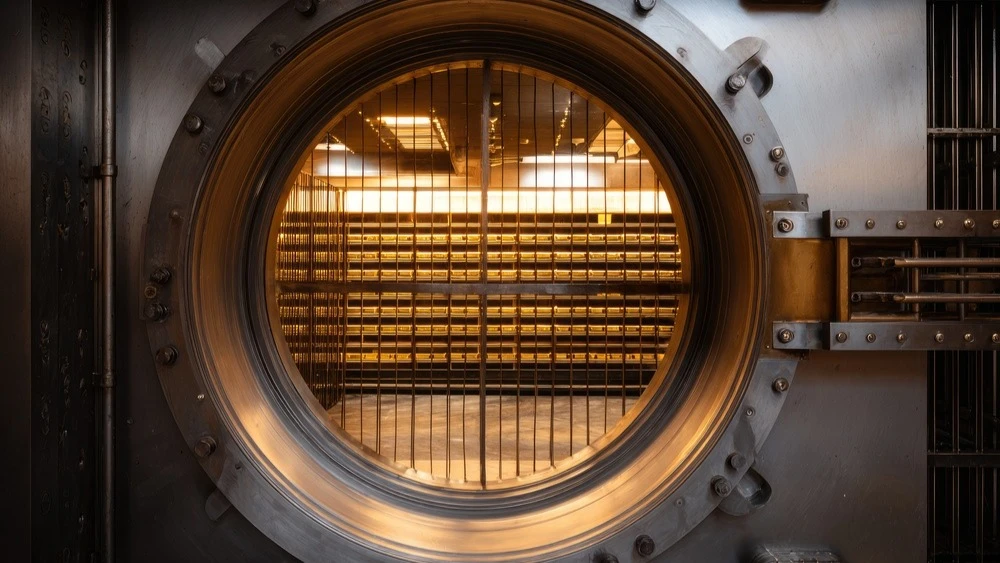
The World Gold Council has sharply lowered its estimate of the volume of gold purchases by government institutions / Photo: qohhar15/Shutterstock.com
In the first quarter, central banks purchased much less gold than expected. This could signal a weakening of demand from them, which would have a negative impact on gold prices.
What happened?
The World Gold Council (WGC) has revised downward its estimate of central bank gold purchases for the first quarter, from 243.7 metric tons to 56.5 metric tons. This is the lowest figure for the first three months of the year in more than 15 years, according to the Financial Times.
The WGC reclassified a portion of the gold previously attributed to purchases by central banks, sovereign wealth funds, and other government entities into the “over-the-counter transactions and other” category. According to the revised data, the public sector purchased a total of 345 metric tons of gold in the first half of 2026—the lowest level since 2022, the FT reports.
A Game of Cat and Mouse
It is becoming more difficult to assess central banks’ activities: their purchases are becoming less and less transparent, the FT noted. This is particularly true of China, which discloses only a portion of its transactions. Some central banks voluntarily report their gold reserves to the IMF, but there is no formal requirement to do so, the FT notes.
The WGC has begun assessing gold flows in a new way. However, central banks may adjust their purchasing strategies once they learn what data the organization is analyzing, said WGC market strategist John Reed. “As soon as they realize what’s going on, a sort of cat-and-mouse game begins,” the expert added (quoted in the FT).
Why Is This Important?
Over the past four years, central banks have been among the largest buyers of gold and have helped prices reach new record highs. According to the WGC, in the second quarter, they and other official institutions purchased 289 metric tons—about 31% of gold demand, excluding over-the-counter transactions. If their activity continues to decline, the drop in prices could accelerate: the metal has already lost nearly 30% from its January peak, warns the FT.
What about the prices?
On July 30, spot gold prices fell by 0.6%, even though they had risen in the previous session. One reason was the rise in U.S. Treasury yields: The Fed kept rates unchanged, and its chairman, Kevin Warsh, rejected the notion that the central bank tacitly accepts inflation above its 2% target, according to Reuters. “Yields are a reflection of rate expectations. If the market believes that inflation concerns will lead to higher rates, yields will be higher,” explained ANZ analyst Soni Kumari (quoted by Reuters).
This article was AI-translated and verified by a human editor