Gold has risen to its highest level since June. What is driving prices higher?

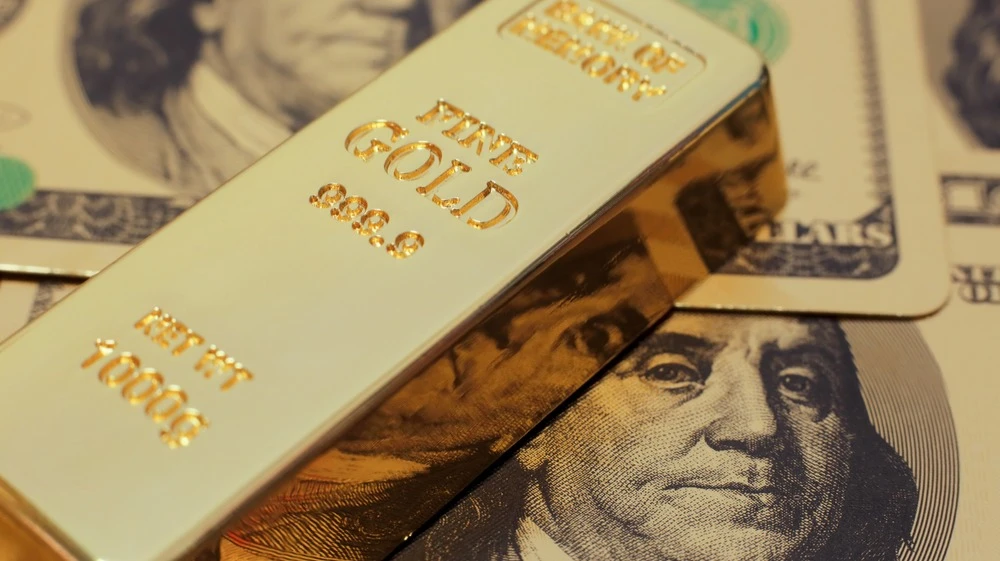
Gold prices have reached their highest level since June / Photo: FabreGov / Shutterstock
The price of gold rose to a seven-week high amid weaker-than-expected employment data and growing hopes that the Strait of Hormuz would reopen, according to CNBC.
Spot prices rose on August 5 to $4,295 per ounce, marking the sharpest one-day jump since February, before paring some of their gains and hovering around $4,271 per ounce on Thursday, August 6. Gold futures rose 0.6% on Thursday, reaching $4,330 per ounce. This marks the fourth consecutive session of gains.
Despite this, the precious metal is still trading more than 20% below its January high, when it was priced at $5,589 per ounce.
Why has gold started to rise?
One of the key drivers was the easing of tensions in the Middle East. The day before , Iran announced that it was close to reaching an agreement with Oman to reopen the Strait of Hormuz—a key waterway for oil shipments. Hopes for a swift recovery were dampened by inflation concerns and expectations that the U.S. Federal Reserve would have to keep interest rates at elevated levels for longer, CNBC notes. According to market estimates, the probability of a policy tightening at the Fed’s September meeting has fallen from 67%—as recorded two days ago—to 55%.
Although gold is traditionally considered a hedge against inflation, it loses its appeal in an environment of high interest rates because it does not generate interest income, the TV channel explains.
Investors are now awaiting Friday’s release of the U.S. nonfarm payrolls report for July. Earlier data from ADP, a payroll processing company, showed that job growth in the private sector slowed significantly in July. CNBC believes that the weakening labor market reduces the likelihood of a Fed rate hike.
Gold received additional support from the weakening of the dollar, which was caused by actions taken by the U.S. and Japan to strengthen the yen. For the first time in a long while, they carried out joint interventions to lift the Japanese currency from a 40-year low. It is believed that Tokyo sold nearly $60 billion in U.S. Treasury bonds. According to media reports, the U.S. side financed its yen purchases by selling euros, CNBC reports. The dollar index, which tracks the dollar’s performance against a basket of major currencies, is currently hovering near a six-week low.
What Analysts Are Saying
On August 4, Deutsche Bank strategist Michael Xue reaffirmed his forecast that the price of gold will rise to $4,600 per ounce by the end of the year. This target implies an 8.4% increase from current levels.
"Gold remains vulnerable to fresh downward pressure and the risk of retesting its 2026 lows. While lingering inflation concerns are fueling calls for further rate hikes and the geopolitical situation remains fragile, any breakdown in diplomatic efforts could quickly bring these negative factors back into the market,” said Nikos Tsabouras, senior market analyst at Tradu.com, a platform owned by Jefferies, in an interview with CNBC.
This article was AI-translated and verified by a human editor