Goldman Sachs warned of an "extremely painful" crisis in the gas market
If the conflict in the Middle East continues, gas prices could soar another 100 percent, analyst says

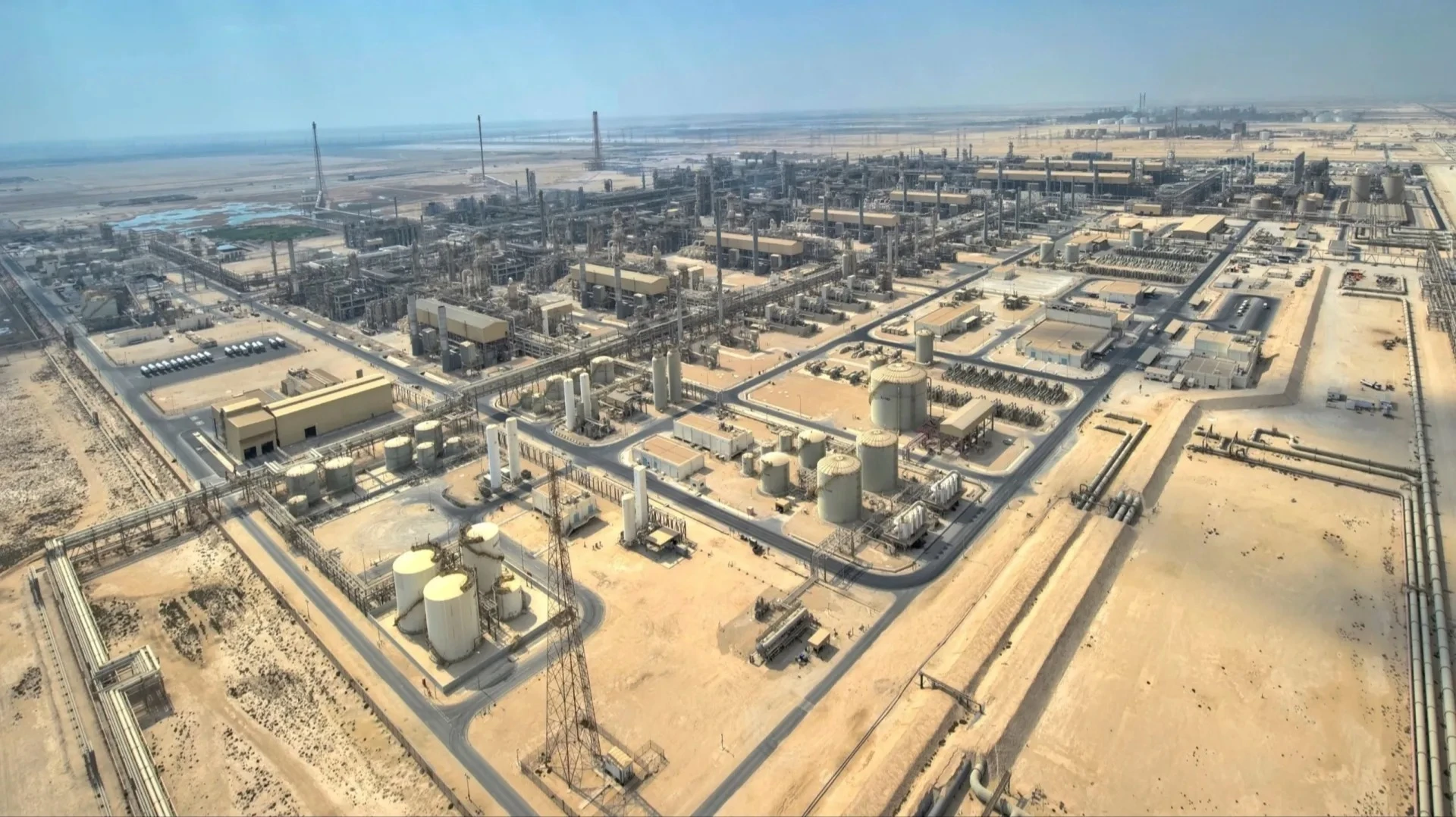
Goldman warned of a "painful" crisis in the gas market and a 50-100% price rise / Photo: Qatarenergylng.qa
Goldman Sachs has warned of the risk of an impending crisis in the natural gas market amid disruptions in LNG supplies from Qatar. The bank admits that if the conflict drags on, gas prices could rise by another 50-100% from current levels.
Details
The greatest risk to the gas market is the situation in Qatar, which provides about one-fifth of the world's supply of liquefied natural gas (LNG), writes Business Insider. QatarEnergy's production at Qatar's Ras Laffan industrial complex, the world's largest LNG plant, was halted due to attacks from Iran on March 18. After the attacks, QatarEnergy said it could take three to five years to repair the facilities, Business Insider notes.
"There is a risk that this [gas market crisis] process will drag on so long that it becomes extremely painful," Samantha Dart, co-chair of global commodity research at Goldman Sachs, warned on the bank's Exchanges podcast on April 6. It is actually not a matter of repairing but completely rebuilding the Qatar plant, she pointed out, noting that the Iranian attack on production damaged two liquefaction processing lines so badly that they would have to be rebuilt from scratch.
Unlike oil, the gas market is strongly seasonal, with countries building up reserves between April and October to get through the peak of winter demand, Dart says. That means supply disruptions now - months before winter in the Northern Hemisphere - could push gas prices up sharply if supply is not restored in time.
"Whatever impact this has on inventories now, we should be able to fully make up the shortfall in gas inventories by the end of October," Dart noted.
What about gas prices
May liquefied natural gas futures in Europe rose 2.8% in European trading on April 9, but then slowed to a 0.95% gain - priced at €45.7 per MWh. Gas prices have fallen more than 20% since their local peak on March 18 - after the attack on the Ras Laffan LNG plant - but they are still nearly 50% above pre-war levels. According to Dart, the increase could have been even greater, with China diverting excess gas to the global market after a mild winter, providing short-term relief, especially for Europe. So far, the price increases have led to only a limited shift to alternative sources such as coal, rather than the more substantial demand cuts needed to balance the market, the Goldman Sachs analyst said.
If the conflict is prolonged or renewed, it allows gas prices to rise another 50-100% from current levels as the market will have to more tightly constrain demand.
This article was AI-translated and verified by a human editor