Google will connect a geothermal source to its data center. Who stands to benefit from this?
Shares of Fervo, a small electricity supplier to Google, have already soared 25%

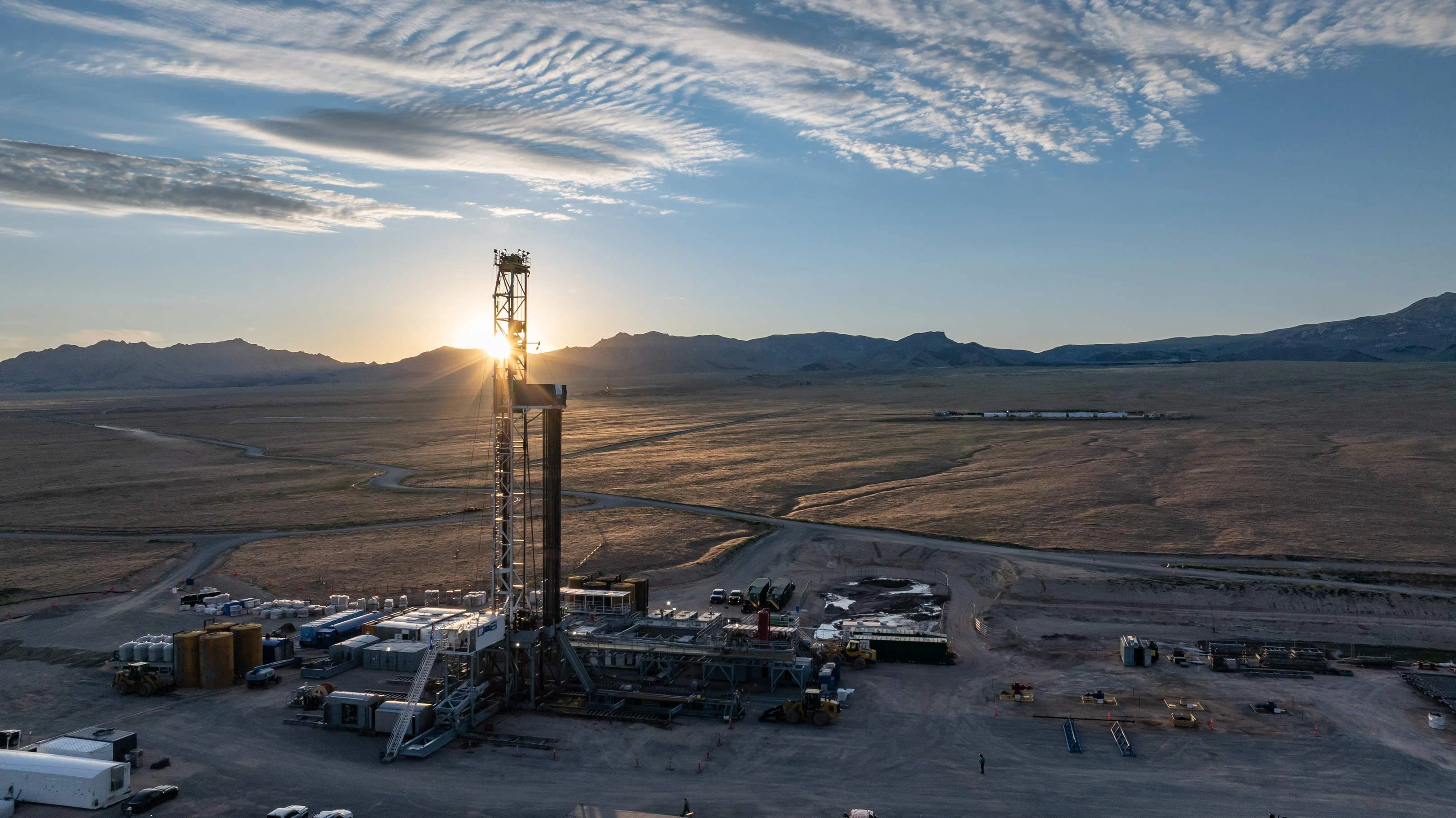
Fervo Energy could replace one power unit at a nuclear power plant with its geothermal generators, according to Google / Photo: Fervo Energy
Alphabet has enlisted Fervo Energy, a mid-cap geothermal power plant developer that recently went public, to supply electricity to a data center in Utah that is currently only in the planning stages. Starting in 2028, Fervo will be required to supply the facility with up to 396 megawatts of power. Fervo’s stock soared 25% on Tuesday following the news.
Details
Under the agreement, which the companies announced on Tuesday, Alphabet will also have the opportunity to connect an additional 600 megawatts of capacity by 2030 from the Cape Station geothermal project, which Fervo is building in Utah. If that happens, the total amount of electricity supplied to Alphabet will approach 1 gigawatt—roughly the same amount generated by a conventional nuclear reactor, Bloomberg notes. The agreement is for 15 years. The Cape Station project still needs to receive approval from Utah state regulators for a plan to supply electricity via a separate private power grid, the company said last week.
Why Is This Important?
Geothermal energy is attractive to technology companies because it provides clean electricity around the clock, Bloomberg explains. This enables them to power their data centers while moving closer to achieving their long-stated climate goals, the agency reports.
What is Google's electricity provider known for?
Trading in Fervo Energy shares began in May, and the company raised $1.89 billion through its IPO on Nasdaq. The company currently generates virtually no revenue, but it has caught the attention of former Microsoft CEO and billionaire Bill Gates. He visited the company’s site in Utah, where it planned to build a geothermal power plant. “Geothermal energy is one of the most promising ways to provide reliable and affordable clean energy,” Gates wrote on his blog, Gates Notes. “Intermittent energy sources, such as wind and solar, will play a key role, but we also need energy sources that operate around the clock without contributing to climate change, such as geothermal and nuclear power.” Breakthrough Energy Ventures, founded by Bill Gates, was one of Fervo’s earliest investors and led its $11 million funding round in 2019. Subsequently, Breakthrough Energy entities continued to invest in the company and its projects.
Fervo Energy also has preliminary power purchase agreements with several companies, including the utility Southern California Edison, Shell, and a partnership with NV Energy.
What about the stocks?
Fervo shares soared 24% to $19.1 during Tuesday's trading session. The IPO offering price was $27 per share, which is 43% higher than the closing price on August 31.
In early August, BofA Securities initiated coverage of Fervo Energy shares with a neutral rating and a price target of $40, according to Investing.com. The bank described Fervo Energy as “an excellent company that has already fully justified its value,” which at that time was around $37 per share.
On August 12, Fervo’s stock price plummeted following the company’s first quarterly earnings report since its IPO. Investors were concerned not so much by the current results—Cape Station is still preparing for commercial operation—as by the forecast for 2027. Fervo estimated that annual revenue would be around $60–80 million due to potential constraints on the power lines running from the plant to customers. By comparison, William Blair had previously projected $80 million.