Nvidia could drastically cut back on new chip production due to memory shortages. What about the stock?
The lowered plans are due to delays in getting enough high-bandwidth memory from SK Hynix and Micron Technology

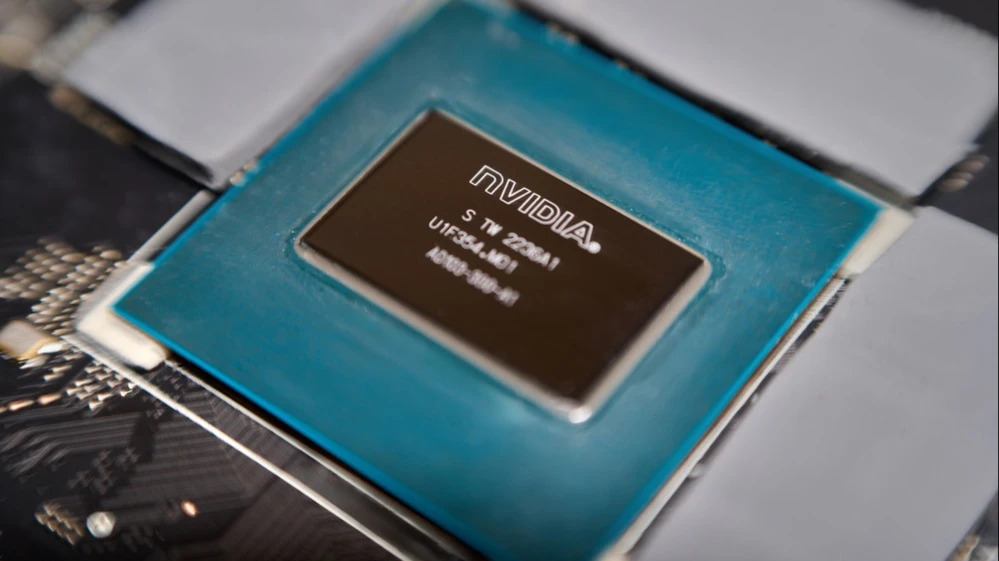
Nvidia may have had to cut its 2026 Rubin chip release plans by 500,000 units, analyst says / Photo: alexgo.photography / Shutterstock.com
Chipmaker Nvidia has probably reduced its plan to produce next-generation chips for Rubin artificial intelligence in 2026 by a quarter, according to analyst KeyBanc. The reason for this was problems with the supply of an important component - high-speed HBM memory. At the same time, the investment bank does not consider it a big problem for investors.
Details
Nvidia may have had to lower its production plan for Rubin GPUs in 2026 from the previously planned 2 million to about 1.5 million units, according to KeyBanc analyst John Wine. His note is quoted by Barron's. The lowered plans are due to delays in getting enough high-bandwidth memory (HBM) from suppliers SK Hynix and Micron Technology, the analyst explained.
"Nvidia's pace of bringing Nvidia's Rubin GPUs to market has slowed due to HBM4 certification issues with SK Hynix and to a lesser extent Micron," Vin wrote on Monday.
However, the analyst doesn't see the delay as a serious problem: he maintained a buy recommendation on the company's stock (Overweight rating - "above market"), as well as its target price at $275 - that's 55% above the closing price on April 2. Vin still expects Nvidia to ship more than 60,000 NV72 server racks this year, which integrate dozens of AI chips.
HSBC estimates that a modern GB300 NV72 rack (on the Grace Blackwell platform) costs about $3 million, while a similar new rack on the Vera Rubin NVL144 platform would cost $3.2 million and a more advanced Rubin Ultra NVL576 server would cost $8.8 million, Barron's notes.
Nvidia did not respond to Barron's request for comment. The company's shares were down 0.1% to $177.2 in Monday trading.
Context
Market attention is focused on Nvidia's ramping up production of servers based on the Vera Rubin platform, which will be the successor to the Grace Blackwell platform, Barron's explains. Nvidia CEO Jensen Huang said the hardware is in "full-scale production" and sales are expected to begin in the second half of the year. In late February, the company's CFO Colette Kress said the chipmaker had shipped the first test samples of the new chips to customers.
Vera Rubin servers are expected to be 3.3 times faster than the current Blackwell Ultra-based flagship solutions. They run on Rubin GPUs and Vera CPUs. Vera Rubin servers are expected to deliver a tenfold increase in performance, improving energy efficiency in an environment where data centers face severe power constraints.
This article was AI-translated and verified by a human editor