Highlights from Anthropic's prospectus—one of the most anticipated IPOs of the year: online


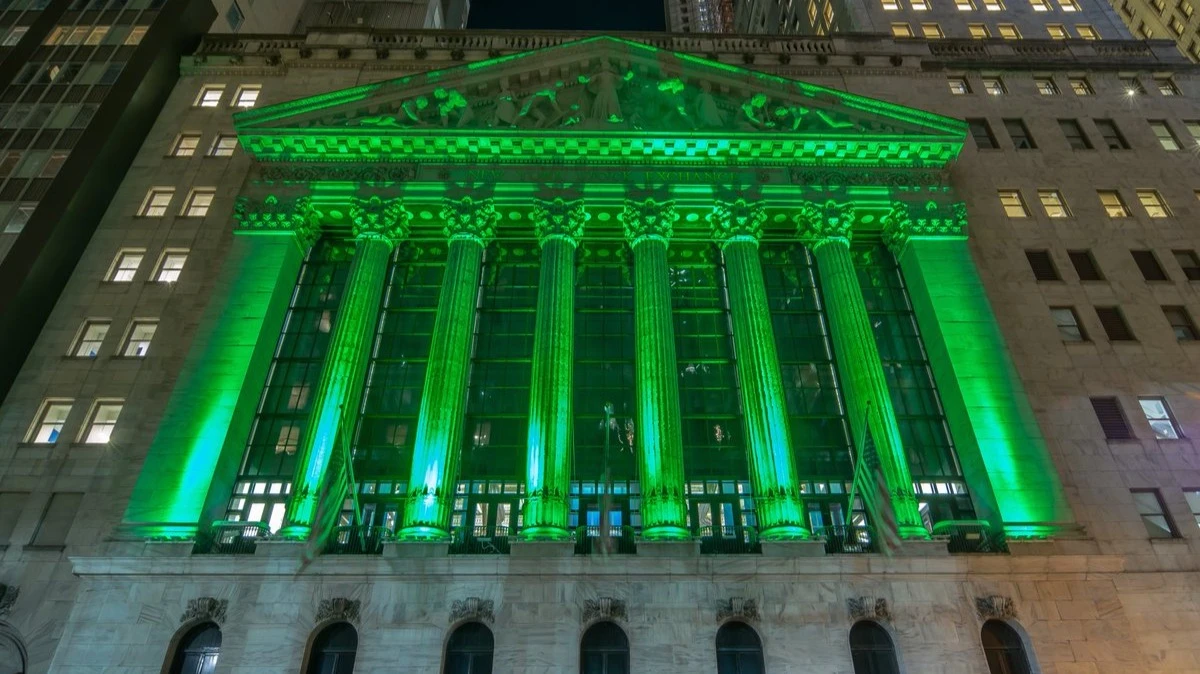
Anthropic goes public with a warning to investors that its technology poses existential risks / Photo: Samuel Boivin / Shutterstock.com
Anthropic, one of the largest players in the artificial intelligence market, published its prospectus for an initial public offering on October 26. In this article, Oninvest summarizes what we learned from this document and what Wall Street is saying about it.
3:15 p.m. CET: Anthropic will list its shares on the Nasdaq Global Select Market. Shares will be offered as part of the offering by both the company itself and some of its shareholders. Anthropic will disclose the size of the offering at a later date. Goldman Sachs and Morgan Stanley are acting as lead underwriters for the IPO, along with 20 other banks. The shares will trade under the ticker symbol ANT.
15:02 CET: In the first six months of 2026, Anthropic reported a net loss of $80.7 billion on revenue of $16.3 billion. A year earlier, during the same period, the loss was $13 billion on revenue of $1.2 billion. The net revenue retention rate from existing customers reached approximately 900%, and 79% of third-quarter revenue came from customers outside the top five.
The company’s primary source of revenue is a pay-as-you-go model for AI systems. Revenue in this segment grew from $288 million (75% of the total) in 2024 to $3.8 billion (83%) in 2025 and to $13.1 billion (80%) in the first half of 2026. Expenses for computing power and infrastructure for the first six months of 2026 totaled $8.9 billion—a 283% increase from the previous year. At the same time, their share of revenue continues to decline. Since the end of 2025, the company has entered into new agreements for the supply of computing capacity with minimum commitments totaling approximately $417 billion, some of which are for terms of up to 20 years.
Anthropic's total debt as of June 30 was $6.2 billion. The company increased the limit on its revolving credit facility from $3.25 billion to $15 billion, maturing in 2031, and acknowledges that it may raise additional debt to finance its needs. Once it receives an investment-grade rating from at least two of the three major rating agencies, this line of credit may become unsecured.
This content is being updated...
This article was AI-translated and verified by a human editor