Huang Saved the Stock Market: 5 Reasons Why His Return Isn't Necessarily a Good Thing
A WSJ columnist sees Trump as the shadow chairman of Nvidia's board of directors

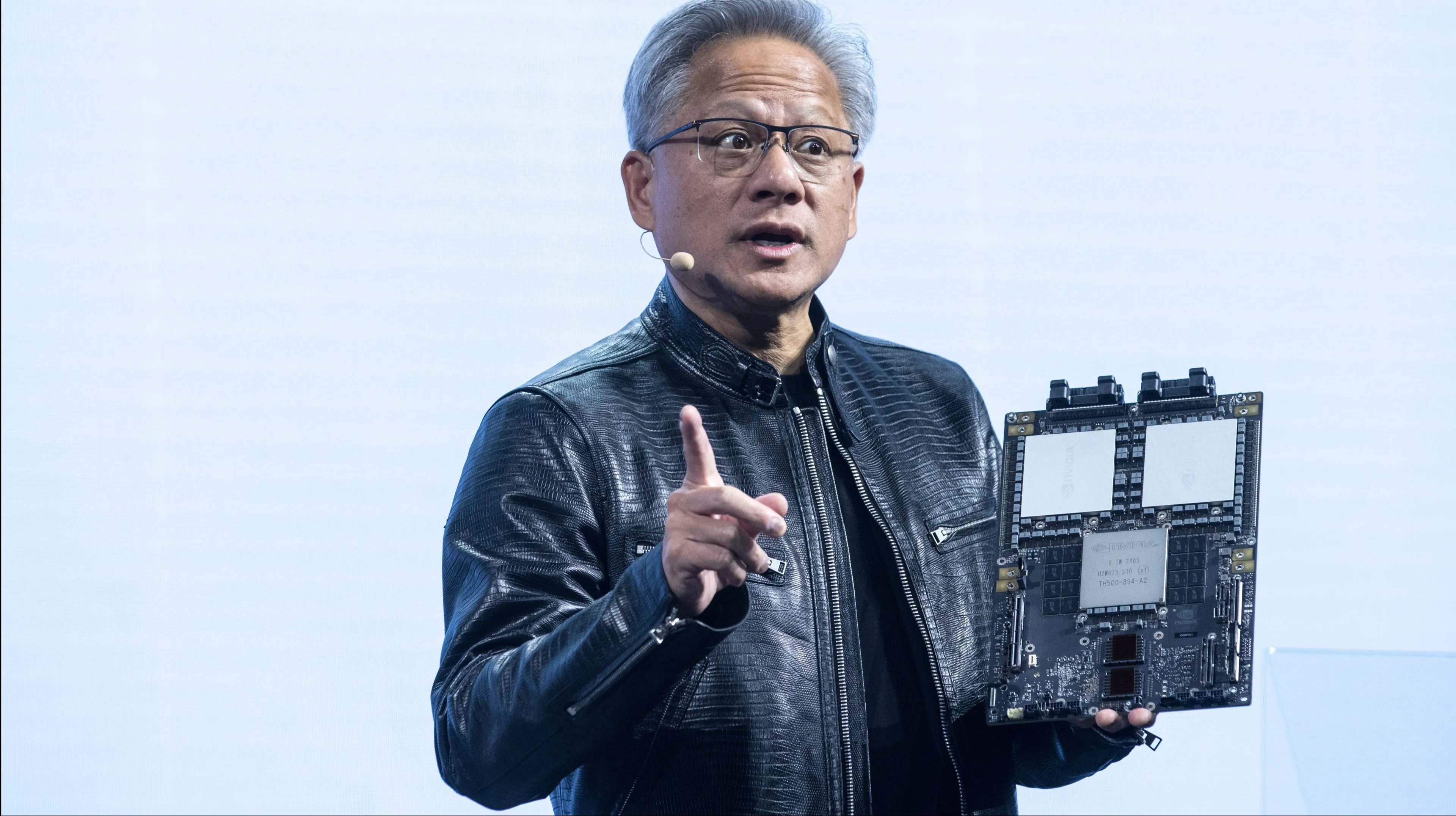
Following news of Jensen Huang's return as CEO of Nvidia, the company's stock jumped by nearly a third in a single trading session / Photo: jamesonwu1972/Shutterstock.com
Jensen Huang’s return as Nvidia’s CEO—which sparked the company’s strongest stock rally since 2003 —is bad in many ways from a long-term perspective, according to The Wall Street Journal columnist James Macintosh. For now, he acknowledges, everyone stands to gain: Nvidia won’t have to restructure, and its customers will continue to receive financing.
But five serious problems remain: investor fatigue from the endless financing of data centers, competition, pressure from the White House on the board of directors, investigations pushed by anti-China members of Congress, and a conflict of interest that has become a talking point for opponents of unregulated capitalism, as listed by Macintosh.
Threats to Growth and Margins
Nvidia's growth depends on the construction of data centers, but investors are already weary of the endless requests for new funding from the companies building them, writes Macintosh. He cites the results of a Bank of America survey, according to which more than half of fund managers expect major technology companies to begin cutting capital expenditures in the next six months.
Nvidia may be able to finance customers who buy its chips on its own for a while, but the projected trillions of dollars needed for data centers will have to come from outside investors, the columnist notes.
In addition, Nvidia faces stiff competition from other chip suppliers, including AMD, Broadcom, Google, and Amazon. The return of its brilliant founder will help Nvidia bring new products to market, but it clearly has many more competitors now, which means margins will decline over time, warns Macintosh.
Trump, the Shadow Chairman
Just last week, Nvidia Board Chairman Harvey Jones assured investors that Huang would not return, even though U.S. President Donald Trump had called for his reinstatement. But the board ultimately gave in, and now Trump, if not the board’s shadow chairman, might as well be one, argues Macintosh. Nvidia insists that the board is independent, but it’s obvious to everyone: Huang is too influential for the board to fire him, so in reality, he’s the one running the company. Nvidia’s corporate governance rules and code of business ethics have turned out to be nothing more than a formality, the columnist concludes.
Macintosh expects that lawmakers from both parties who are critical of China will likely continue to push for investigations into Nvidia and Huang. As early as December 1, Huang is scheduled to explain to House committees his possible connection to Alice Huang, who is suspected of spying for China. If lawmakers find anything unsavory, Huang will no longer be able to shift the blame onto the company’s former CEO—he is once again at the helm.
Even centrists, who have grown weary of corporate scandals, should be outraged that anyone could turn a blind eye to such an obvious conflict of interest as Huang’s romantic relationships with top executives at a client company and within Nvidia itself, the columnist writes. According to him, opponents of unregulated capitalism now have a powerful new argument— "and he wears a leather jacket."
The "Bears" were divided in their views
Two well-known short sellers reacted differently to Huang’s return. Carson Block, whose Muddy Waters Research disclosed a short position in Nvidia last week, remains skeptical. Huang’s reinstatement as CEO—especially under apparent pressure from the Trump administration—makes it unmistakably clear that influential corporate executives “will not be held accountable even for potential national security violations,” Block told Business Insider. What concerns him most is that Huang did not disclose his alleged connection to the head of Singapore-based Megaspeed.
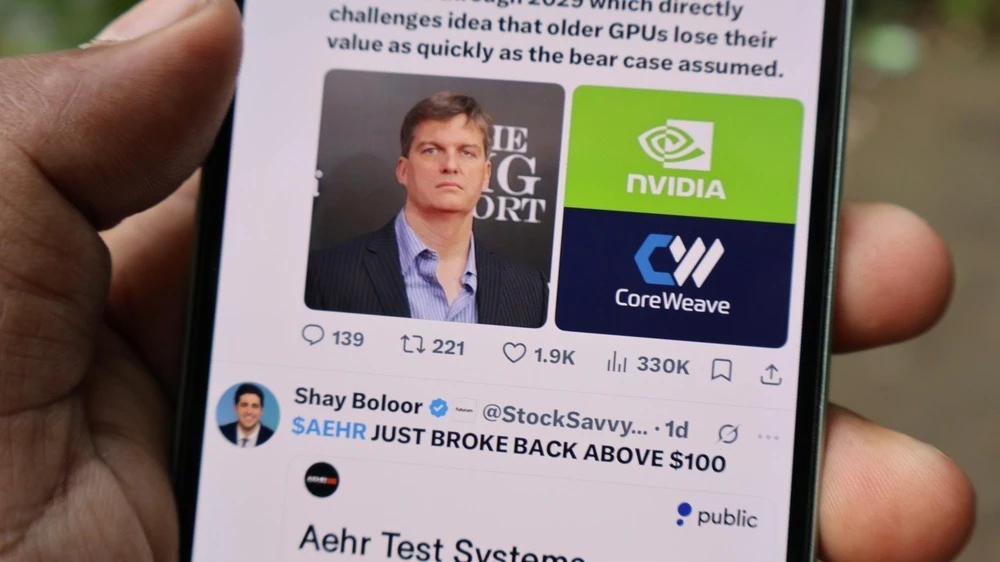
Michael Burry, known as the real-life inspiration for the character in *The Big Short*, has decided not to bet on a decline in Nvidia’s stock price. He won’t open a short position until the stock price approaches $200, Burry wrote on the Cassandra Unchained blog. He expects that Huang’s return could push the stock price back up to the upper end of the $100–199 range.
Nvidia shares closed at $165 on November 23, surging 31.5% during the session. At the opening of the Nasdaq premarket on November 24, the stock fell 4%, dropping below $160.
This article was AI-translated and verified by a human editor