Hyundai challenges Tesla in the race for mass production of humanoid robots

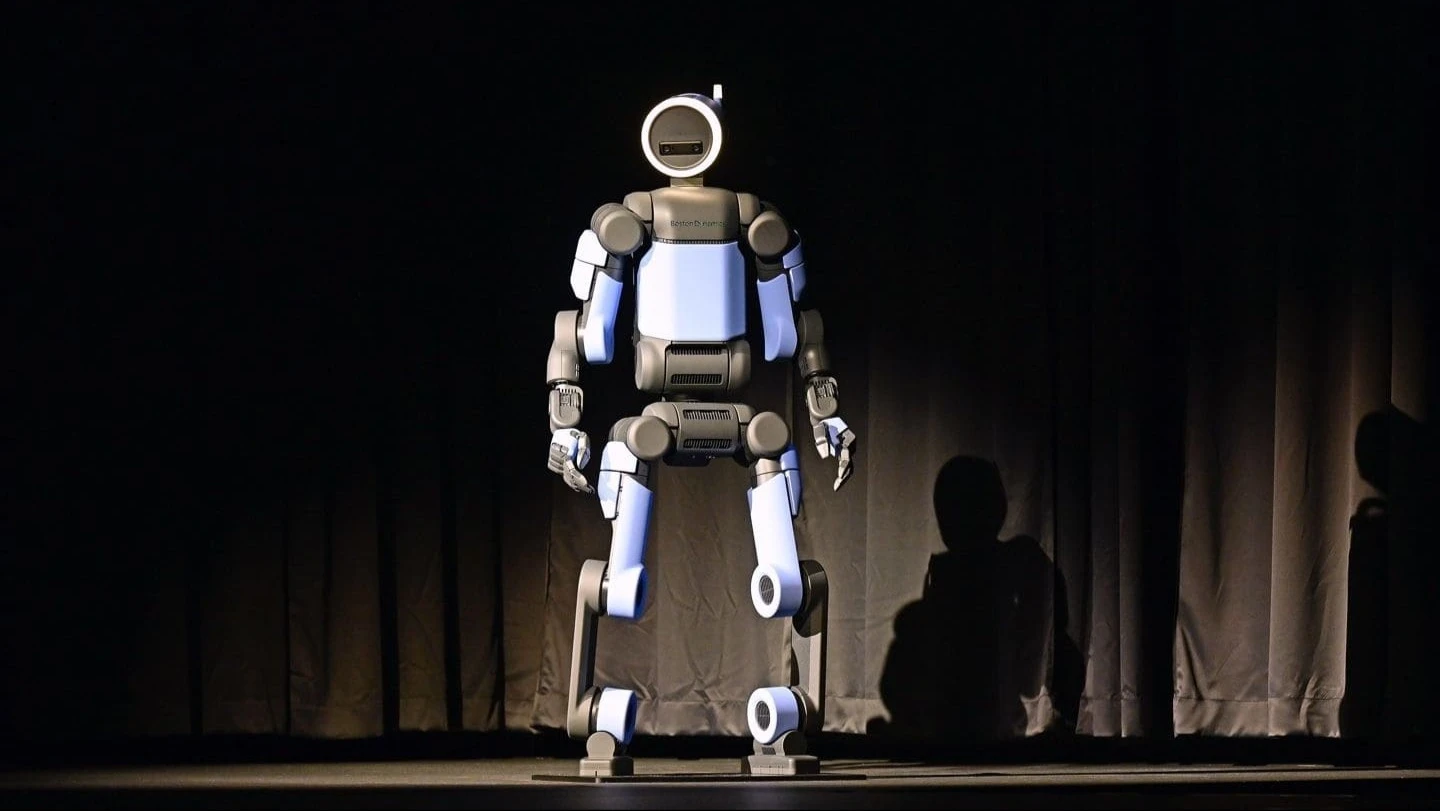
South Korean automaker Hyundai is joining the race to mass-market humanoid robots, YahooFinance reports. At the CES consumer electronics show in Las Vegas, the company announced plans to begin industrial production of such robots in the coming years. By 2028, Hyundai intends to create a system capable of producing thousands of robots per year.
At the event, the company also presented its humanoid robot Atlas. The product was developed by Boston Dynamics, a controlling stake in which Hyundai acquired in 2021 for $1.1 billion.
Details
Hyundai has announced that it plans to use the Atlas robot at its own production sites starting in 2028. Hyundai expects the robot to be able to perform component sequencing tasks—the timely delivery of automotive parts to the right areas of the assembly lines. By 2030, Hyundai will begin using the robot for more complex tasks, including component assembly, and in the future—for tasks involving repetitive actions and heavy lifting.
As part of its production strategy in the field of robotics and AI, Hyundai plans to rely on its automotive components division Hyundai Mobis and logistics company Hyundai Glovis. With their help, Hyundai plans to build a complete cycle of robot creation and delivery to the market — from components to delivery. This should enable the company to establish production of about 30,000 robots per year.
In addition, Hyundai plans to expand its Robotics as a Service (RaaS) model—a subscription service for using its robots—to a wider range of corporate customers.
Hyundai shares rose just over 8% in South Korean trading on the morning of January 6, but then corrected and closed up only 1.2%. Over the past year, the company's shares have gained more than 45%.
What is happening in the field of robotics?
Hyundai is not the only company striving to become a leader in robotics, notes YahooFinance. Tesla CEO Elon Musk is also promoting the idea of making the Optimus humanoid robot the primary solution for businesses around the world. As Morgan Stanley noted in December 2025, Tesla was the only American public company to present a prototype of such a humanoid robot.
In addition to Hyundai and Tesla, Figure is developing robots designed to work in conditions that are difficult for humans, for use in everyday life and, in the future, in space programs. Apptronik has its own humanoid robot, Apollo. Another such robot, Digit from Agility Robotics, is already being used in some Amazon warehouses, according to YahooFinance.
Various types of robots, the publication continues, have been used by manufacturing, logistics, and transportation companies for many years. However, humanoid systems are still a relatively new field. It is assumed that such robots will be able to take on jobs that are too dangerous or monotonous for humans without requiring large-scale restructuring of factory floors and warehouses, writes YahooFinance.
Morgan Stanley noted last December that, according to its analysts' estimates, revenue in the robotics sector will reach $25 trillion by 2050, with more than half of that amount coming from humanoid robots and robot taxis.
This article was AI-translated and verified by a human editor