"I Learned from My First 10 Checks": Andrei Doronichev's Rules for Investing in Startups
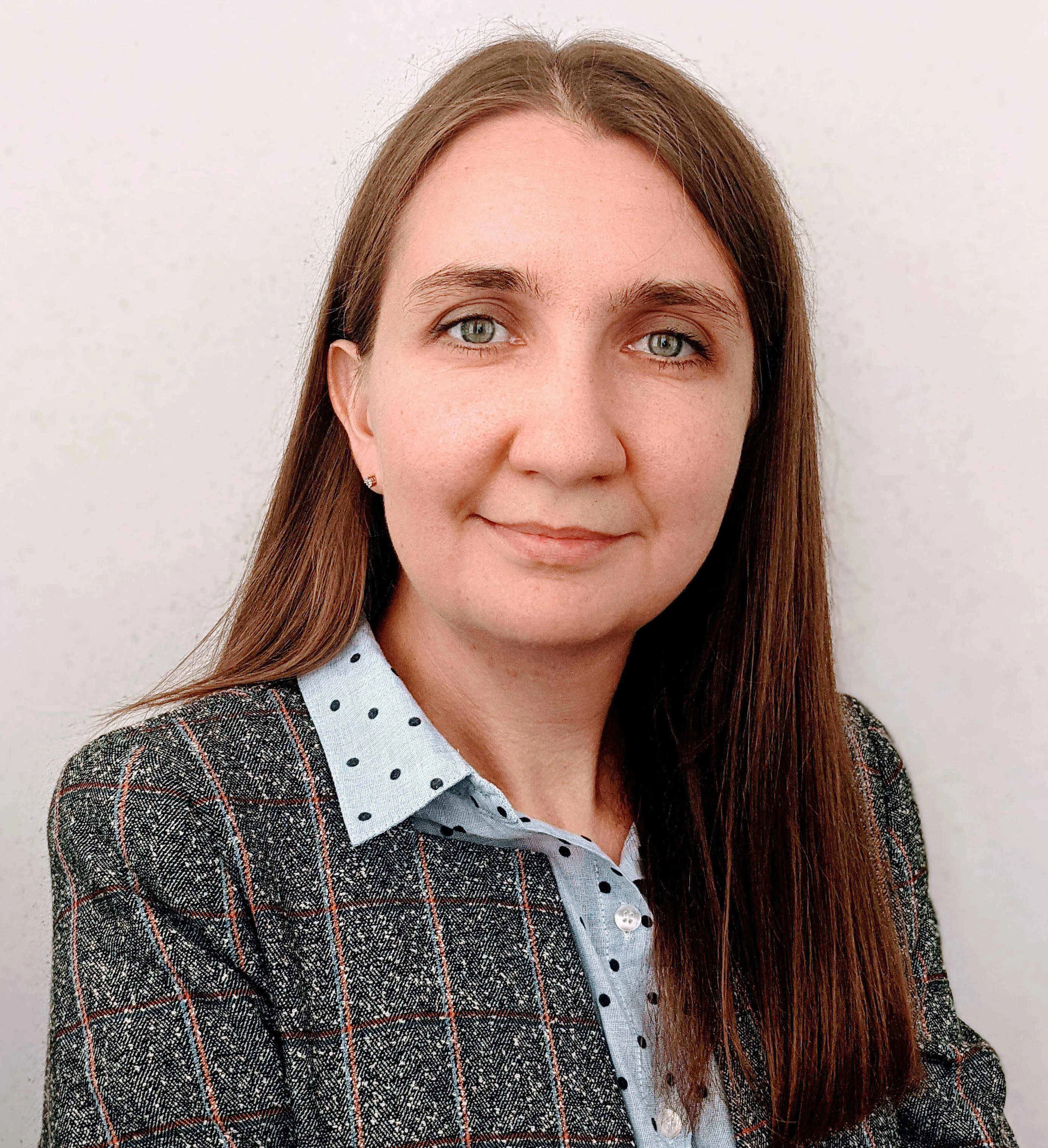
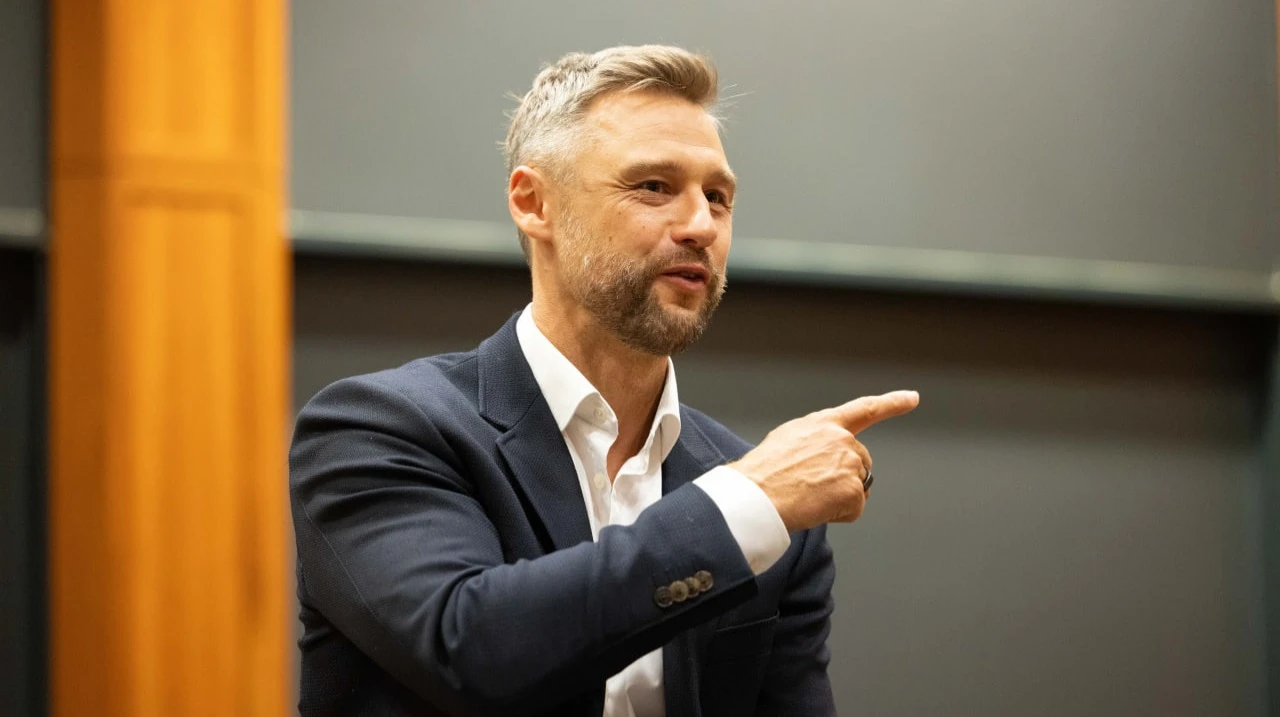
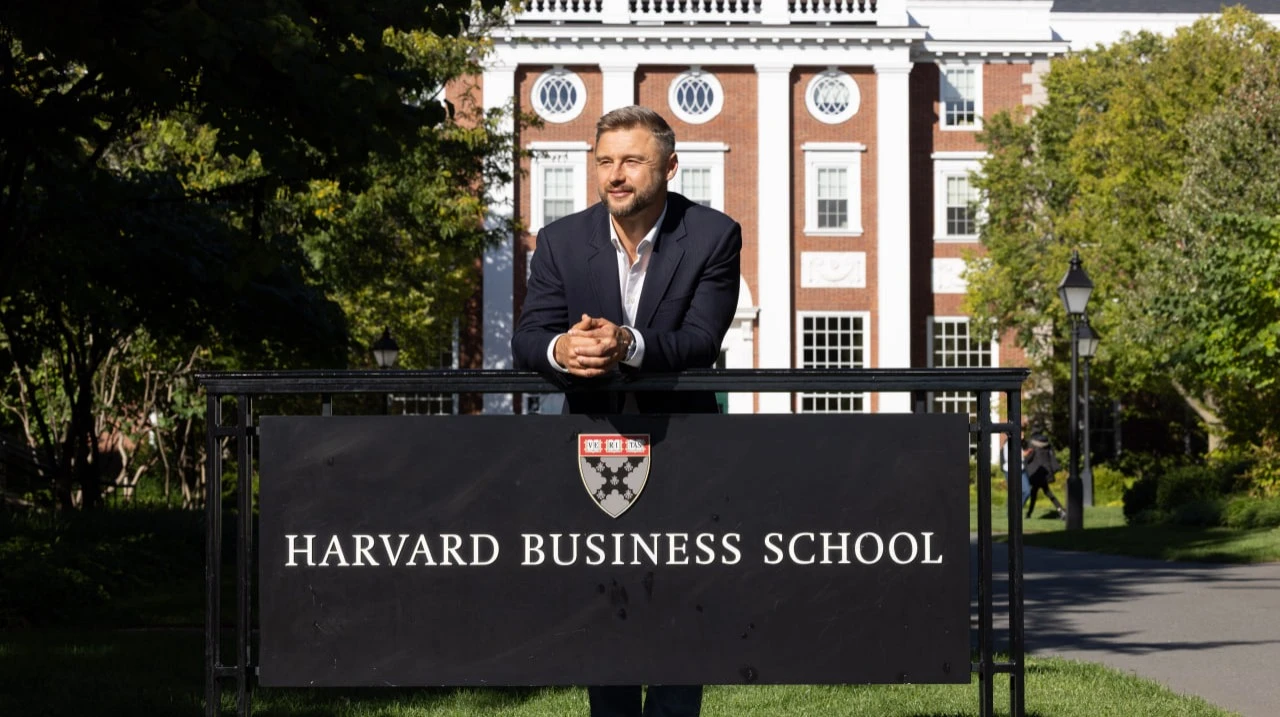
Photo: Evgenia Eliseeva / Andrei Doronichev's personal archive
Andrei Doronichev, a businessman, investor, and former Google executive, has experienced both sides of the venture capital market. He has invested in more than 25 startups, and Optic, a project he co-founded, has raised $11 million in venture capital. The startup was launched in 2022 as a service for detecting digital fakes in the crypto market. But just a year later, his team realized they needed to pivot. This led to the creation of Bioptic—an AI-powered drug discovery platform searching for a cure for cancer. The company is currently raising a new round of funding. In an interview with Oninvest, Doronichev outlined the key rules for operating in the venture capital market.
A novice angel investor should be prepared to lose money
Quote from Doronichev: “For the first 10 investments, I was simply learning about angel investing and, by paying for others’ mistakes out of my own pocket, I gained experience on what not to do.”
The founders' flexibility and adaptability—the key qualitative metric for a startup
Quote from Doronichev: “If founders—even those with a modest financial cushion and limited financial resilience—are ready to quickly and easily test another 3–4 new hypotheses, in my view, they have a better chance of success than a slow-moving team that stubbornly keeps banging its head against a wall, trying to prove the viability of a single business idea.”
A project that addresses the challenges facing an entire industry is more viable
Quote from Doronichev: “There’s the solution-driven founder. This is an entrepreneur who starts with a particular technology or idea. A problem-driven founder is someone who tries to find a solution to a specific market problem. In my experience, the former are often good at doing just one thing—the technology—and simply try to sell it. The latter often come from the industry in which they want to build a startup; they know all its pain points firsthand. I believe more in problem-driven founders than in solution-driven ones: ideas, technologies, and solutions quickly become obsolete, but problems remain.”
Investing in a startup that's trying to solve a problem in a small market is a waste of time and money
Quote from Doronichev: “If a startup—even one with the world’s best founder—focuses on a minor problem in a niche market, it won’t really make any money.”
This article was AI-translated and verified by a human editor