In Search of a Safe Haven: Six Dividend Stocks That Can Protect Against AI Risks
Barron’s selected stocks with stable dividend payments and above-average yields


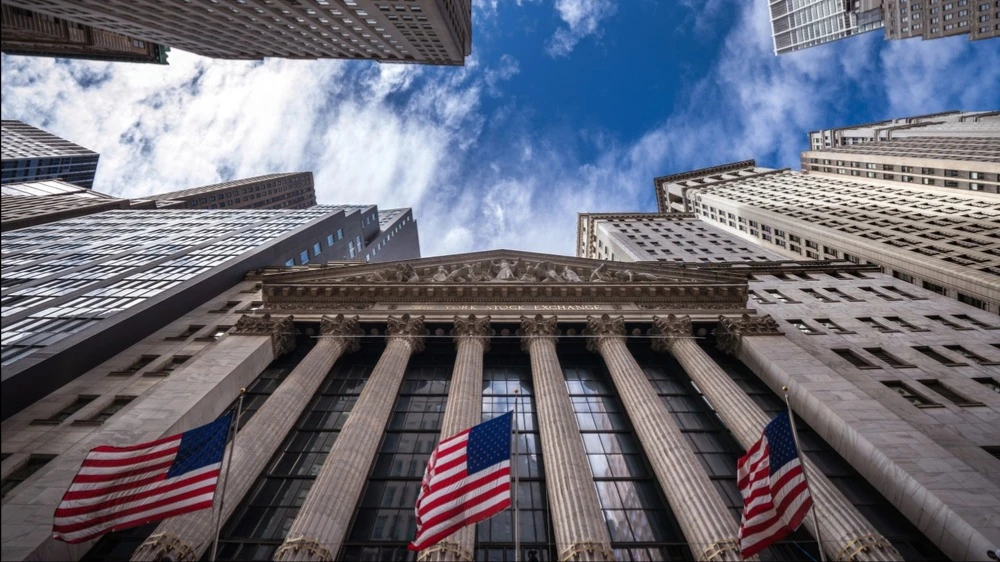
Amid a sharp crash in the stock markets, protecting capital has become the top priority for investors. Photo: Sorbis/Shutterstock
High dividends and a weak correlation with AI stocks—this is the combination Barron’s suggests investors look for amid the market crash. The publication selected six stocks from the Russell 1000 Index with above-average dividend yields. These companies’ projected free cash flow for the next 12 months more than covers their dividend payments to shareholders.
Which securities were included on the list?
Among the companies named by the publication are Zoetis, a manufacturer of medicines and vaccines for pets and farm animals; Primo Brands, a major distributor of drinking water in North America; Keurig Dr Pepper, one of the market leaders in non-alcoholic beverages and coffee systems; Lear, a supplier of automotive seats and electronics to global automakers; and Gap, a casual clothing retailer. The public sector on this list is represented by Booz Allen Hamilton—a consulting giant that carries out technology and analytics contracts for the U.S. government and intelligence agencies.
On average, all six companies offer a dividend yield of nearly 3%, which significantly exceeds that of the tech giants, according to Barron's. These companies are expected to allocate only about 30% of their projected free cash flow to shareholder distributions, with none of them exceeding 40%.
In addition, all of the selected companies have recently conducted share buybacks, providing investors with an additional return on their investment, the publication reports.
A key advantage of these stocks is that their prices show very little correlation with the performance of the “Magnificent Seven,” which includes tech giants Apple, Microsoft, Alphabet, Amazon, Nvidia, Meta, and Tesla. And unlike the overheated big-tech companies, this group of six does not have inflated valuations: on average, the group trades at a P/E ratio—which reflects the price-to-expected-earnings ratio—of 12, whereas the S&P 500 index stands at around 19, notes Barron’s.
A low price-to-earnings ratio often reflects a slowdown in business growth, the publication adds. Indeed, since the beginning of the year, the group’s stocks have risen by an average of just 5%, while Zoetis and Gap shares have actually posted losses. Nevertheless, according to Wall Street forecasts, operating profits for all six companies will remain stable over the next few years.
Context
According to Barron’s, Apple and Nvidia have traditionally been locked in a silent battle for the title of the most reliable dividend stocks in the U.S. Apple’s stock fell after the release of its fourth-quarter earnings report on November 2: although the results exceeded expectations, investors were concerned about how the high cost of memory chips is weighing on the company’s profitability. However, during the market crash on November 5, Apple fared better than other tech giants: investors view Apple as a safe haven because it is not participating in the race to spend billions on AI. Shares of Nvidia, the main beneficiary of the AI boom, plummeted 9.3% on November 5—marking the sharpest one-day drop since January 2025.
Barron's describes the payouts to shareholders of both companies as reliable, but the dividend yields on their stocks are low: 0.5% for Nvidia and 0.3% for Apple. By contrast, the average for companies in the Russell 1000 is about 2.3%.
This article was AI-translated and verified by a human editor