Inflation in the eurozone slowed more than expected amid falling oil prices
But for the fourth consecutive month, prices have been rising faster than the ECB's target


Annual inflation in the eurozone stood at 2.8% in June / Photo: Unsplash/Markus Spiske
Inflation in the eurozone slowed more than expected amid a decline in global energy prices triggered by efforts to resolve the conflict in the Middle East, according to Bloomberg.
In June, consumer prices rose 2.8% year-over-year, following a 3.2% increase in May, Eurostat reported on Wednesday, July 1. This figure was lower than the 3% consensus forecast of analysts surveyed by Bloomberg. These are preliminary figures from Eurostat, which may still be revised in the future.
Core inflation, which excludes volatile factors such as food and energy prices, also slowed more than expected, while the closely watched measure of price changes in the services sector fell to 3.2% (compared to 3.5% in May). Energy prices rose the most in June (8.7%), although the increase was smaller than in May (10.8%).
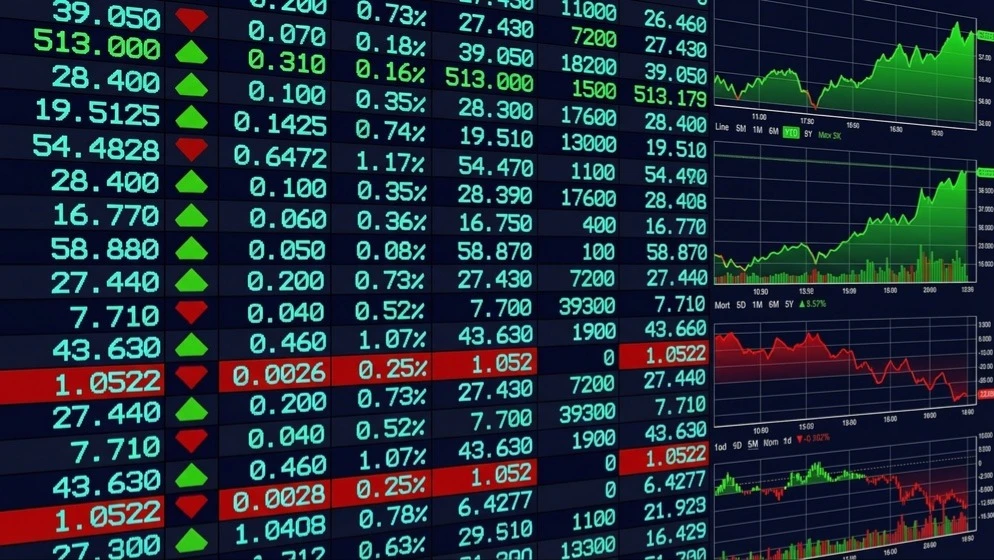
Following the release of the data, the pan-European STOXX Europe 600 index was down about 0.1%, the German DAX index was up 0.3%, and the French CAC 40 index was down 0.4%.
Despite the slowdown in price growth, the European Central Bank is urging caution, warning that the indirect effects of rising oil and natural gas prices due to the war in the Middle East will only become apparent over time, according to Bloomberg. Chief Economist Philip Lane stated on June 30 that the ECB must analyze how the increase in energy costs seen in recent months is “spilling over into food and services inflation,” the agency reports.
This article was AI-translated and verified by a human editor