AI boom propels Russell 2000 to strongest first half in 35 years

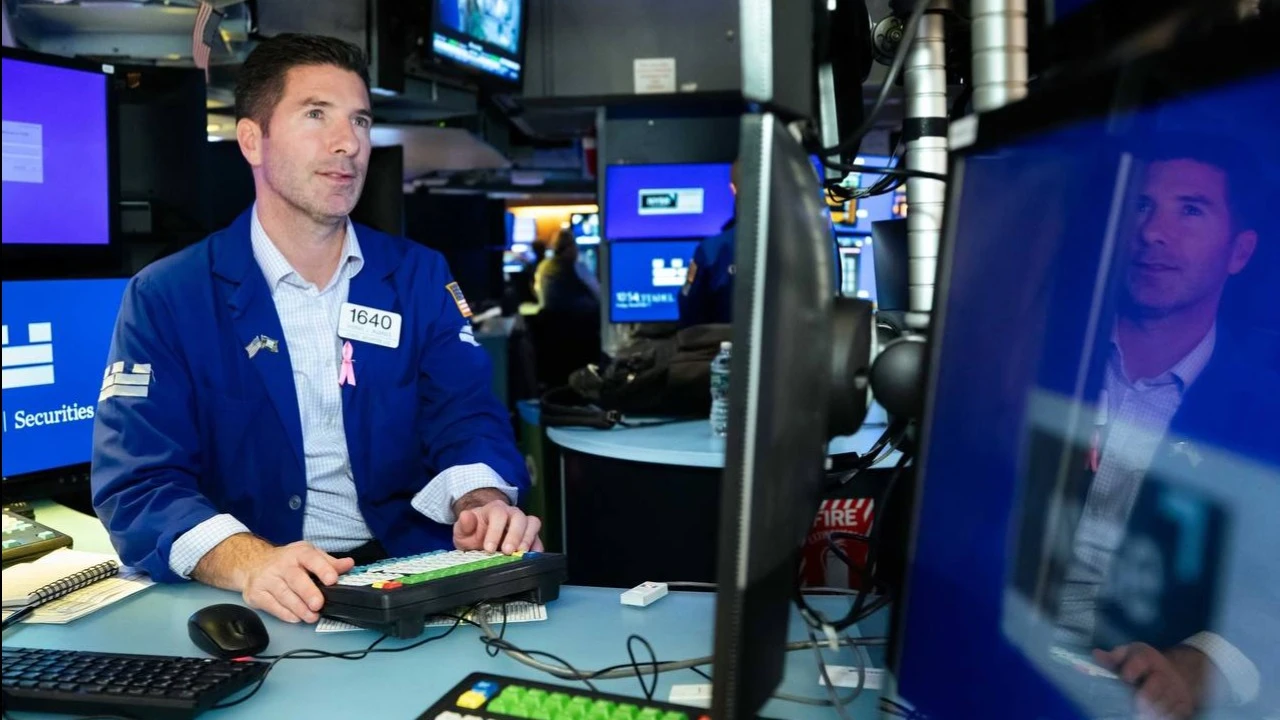
The Russell 2000 index has surged nearly 22% this year, posting its best first-half performance since 1991 / Photo: Facebook / NYSE
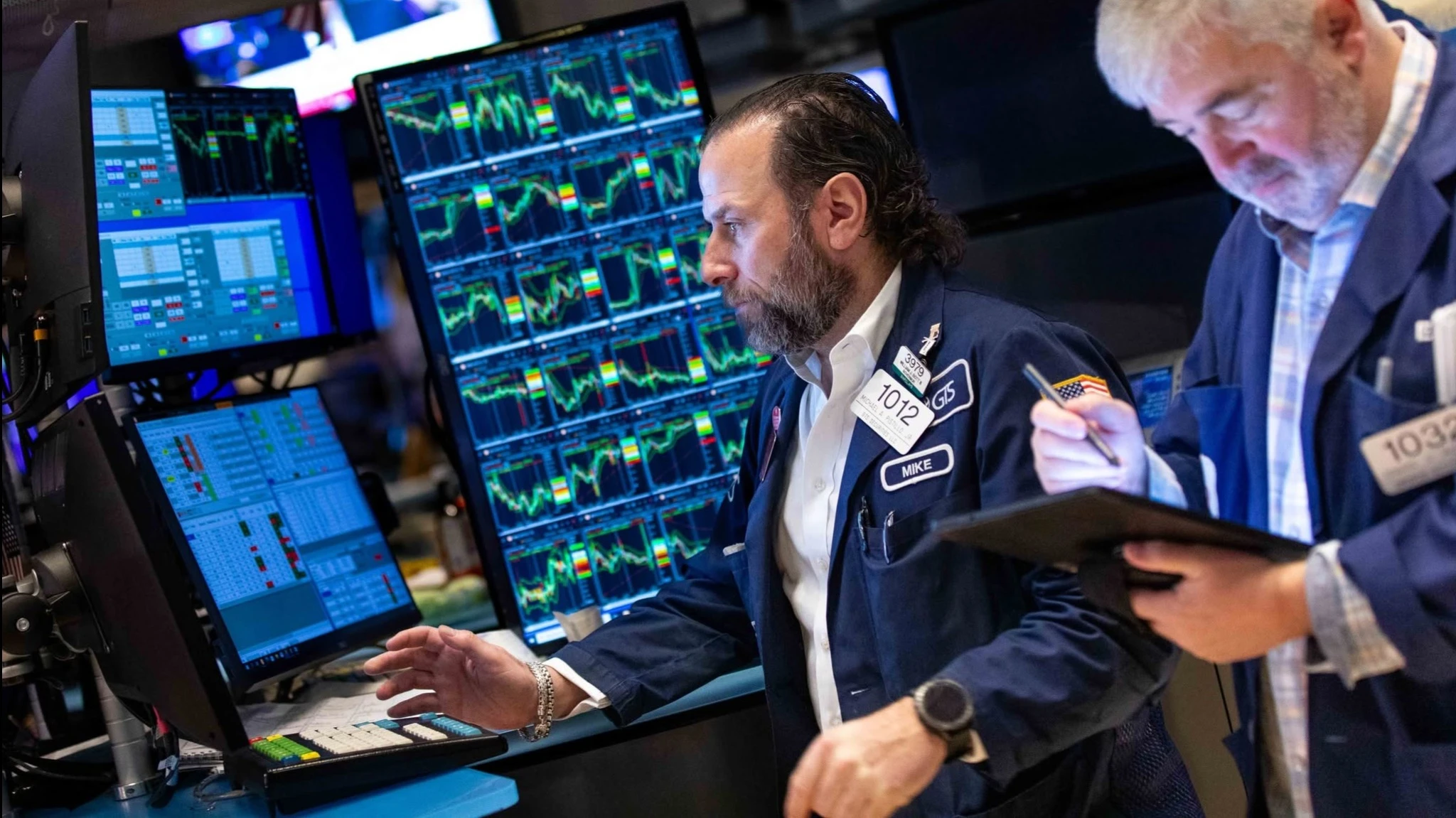
Russell 2000, the benchmark tracking U.S. smid-cap stocks, has climbed around 21% year to date. It is the best-performing major U.S. equity index this year and has posted its strongest first-half performance since 1991. The rally has been driven primarily by investment in AI infrastructure, with the benefits spreading well outside of Big Tech.
Details
The Russell 2000 has gained around 21% year to date, climbing above the 3,000-point mark for the first time in more than three decades, CNBC notes. The index has also posted gains for a fifth consecutive quarter, its longest winning streak since the market recovery following the pandemic, according to Bloomberg. Russell 2000 has also outperformed large-cap benchmarks: in the first six months of the year, the broad-market S&P 500 advanced 9.6%, while the tech-heavy Nasdaq Composite gained more than 12%.
Drivers of small-cap performance
Investment in AI infrastructure is benefiting not only large technology companies but also businesses across the AI supply chain, particularly manufacturers of semiconductors and semiconductor equipment. Of the 50 best-performing companies in the Russell 2000 this year, 16 are semiconductor-related businesses, including Aehr Test Systems, Ichor Holdings, and MaxLinear, each of which has rallied more than 400%, CNBC writes.
“The impact of AI investment trickles down from large-cap leaders to small-cap companies. The effect will be more amplified for small-cap companies, in terms of revenue and probability growth,” Alger portfolio manager Amy Zhang told CNBC.
According to Zhang, the rally is being driven not only by the AI investment boom but also by a valuation catch-up and improving fundamentals.
“Building fundamental strength has also helped offset headwinds from higher rates,” LPL Financial Chief Technical Strategist Adam Turnquist said.
Outlook
Small caps could continue to outperform their larger peers in the second half of the year thanks to accelerating earnings growth, says Jill Carey Hall, head of U.S. smid-cap strategy at BofA Securities. The bank expects third-quarter earnings per share to grow 25% for small-cap companies and 36% for mid-cap companies, versus 25% for large-cap companies. According to LPL Financial, consensus forecasts for 2026 earnings growth among Russell 2000 companies have risen to 38% from 23% at the start of the year.
Discussing the long-term outlook for small caps in an interview with BNN Bloomberg, Royce Investment Partners portfolio manager Miles Lewis said that leadership has historically alternated between large- and small-cap stocks, with such cycles lasting 8-12 years. “We think we are in the very early innings and that small relative to large in U.S. equities looks like a great bet for the next 5-10 years. While it’s being talked about a little bit in the broader media and investment community, I think it’s still somewhat of a stealth rally.”
Risks
In the near term, however, the pace of the Russell 2000 rally could slow following the semiannual rebalancing of the Russell indexes. On June 26, 43 companies were removed from the Russell 2000 and promoted to the Russell 1000. Periods of weaker performance following the Russell rebalancing are not uncommon, Evercore Chief Equity and Quantitative Strategist Julian Emanuel said.
Among the broader risks facing small caps is the possibility of higher interest rates. Higher borrowing costs are particularly challenging for smaller companies because they tend to carry more floating-rate debt. Markets are pricing in around a 30% chance of a Fed rate hike in July, while by September the probability of at least one 25-basis-point increase exceeds 60%.
Even so, portfolio managers remain optimistic about the outlook for small caps. Francis Gannon, cochief investment officer at Royce Investment Partners, said: “to me, higher rates are reflective of the economy doing OK, if not better. I think the earnings story of small caps is outweighing some of the fears of higher rates.”