Insiders in the AI boom were among the biggest sellers on the eve of the chipmakers' crash
While the AI market was at its peak in the second quarter, industry leaders were actively reducing their stakes in companies
In the second quarter of 2026, top executives and key investors at companies in the AI industry took profits en masse. Photo: Mijansk786/Shutterstock
In the second quarter of 2026—when chipmakers’ stocks were experiencing their best period ever — top executives and key investors at AI-related firms were among the leading insider sellers of securities on the market, Bloomberg reports, citing data from the Washington Service.
Details
Eight of the ten largest insider sellers in the stock market during the second quarter, which ended on June 30, were linked to companies benefiting from AI, Bloomberg reports, noting that during those very months, shares of chipmakers and manufacturers of memory chips for artificial intelligence were experiencing their best period in history. For example, the Philadelphia Stock Exchange’s Semiconductor Industry Index (SOX) soared 88% in the second quarter, with shares of Broadcom, Astera Labs, and Nvidia, among others, driving the rally. However, the peak was followed by a sharp downturn: as early as July, amid concerns about the return on big tech’s massive investments in AI, a sell-off swept through the tech sector. The SOX index has lost more than 20% over the past month. Now, the first month of the current—third—quarter risks becoming the worst for semiconductor stocks since the dot-com era.
Who managed to lock in their profits?
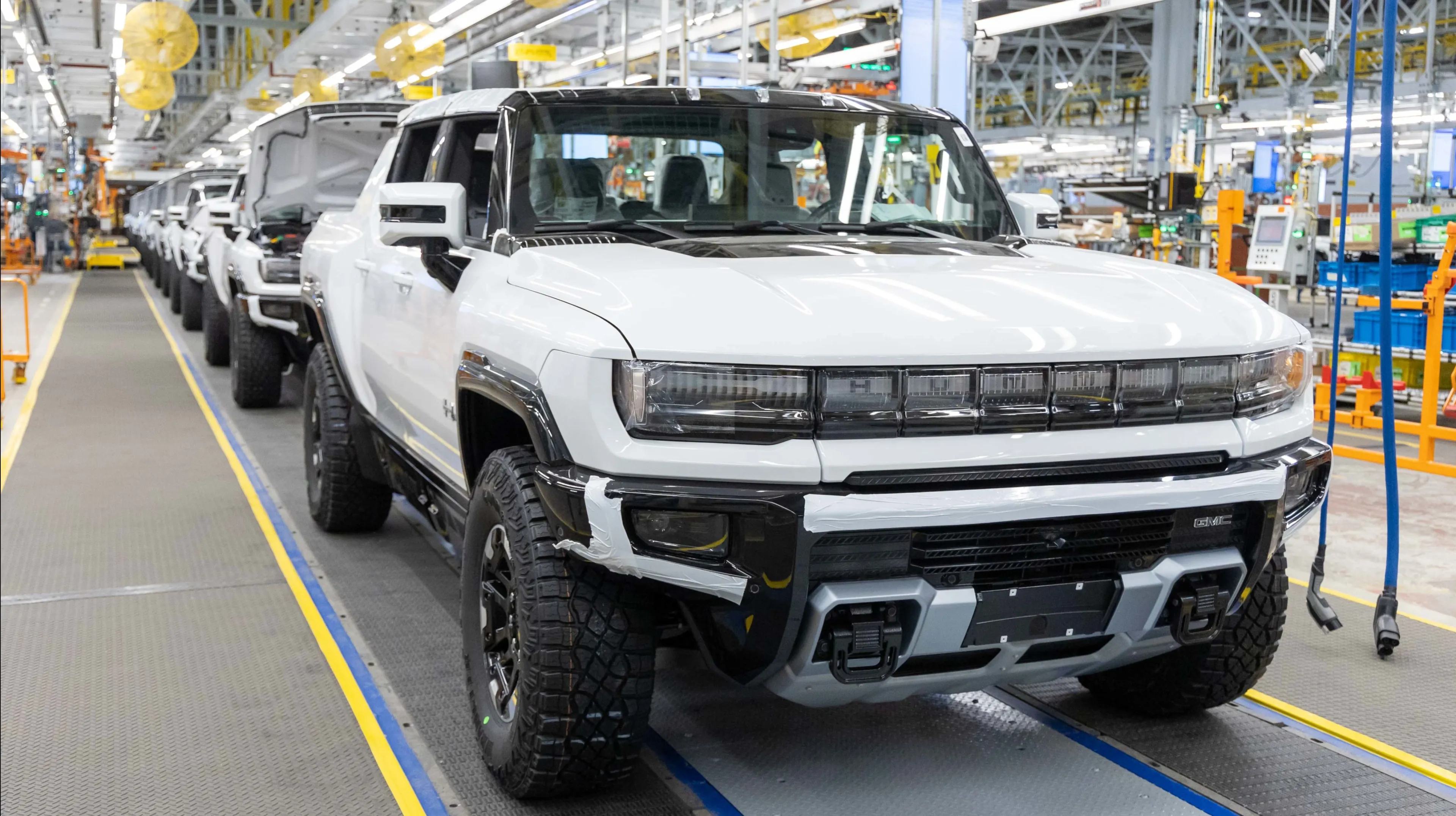
Among insider sellers, Max Wissmann, a member of Carrier Global’s board of directors, led in sales volume during the second quarter. A representative of one of Germany’s wealthiest families sold off a stake in Carrier, a manufacturer of air conditioning systems for AI data centers, worth nearly $750 million (12.1 million shares). The transaction took place in May through JPMorgan Chase and was described as “for portfolio rebalancing.” Wissmann remains the company’s largest private shareholder with a stake of about 5%, according to Bloomberg.
The co-founders of the cloud provider CoreWeave also ranked among the top three largest sellers during this period. Brian Venturo, the company’s director of strategic development, sold 7.2 million CoreWeave shares for $734 million in the second quarter, bringing his total sales since the company’s 2025 IPO to over $1 billion. The company’s CEO, Michael Intrator, sold 4.2 million shares for $447 million. CoreWeave described the transactions as “standard personal financial management,” emphasizing that the founders retain key stakes in the business.
According to Bloomberg, other major insiders who sold off large sums of stock in AI-related companies on the eve of the sell-off include:
— Mark Stevens (Nvidia): the company’s longest-standing investor and second-largest private shareholder after Jensen Huang — he sold 1.88 million shares of the AI chip developer in the second quarter for $407 million.
— Frank Slotman (Snowflake): The former CEO and current board member of the AI data platform exercised his stock options and sold 1.5 million shares for $354 million.
— Andy Stafman (Twilio): A member of Twilio’s board of directors sold 1.67 million shares of the AI communications software developer through the Sachem Head Capital fund for $315 million.
— Henry Samueli (Broadcom): The co-founder of the chipmaker and AI infrastructure giant sold 654,000 shares for $250 million.
— Sanjay Gadjendra (Astera Labs): The co-founder of the chipmaker sold 960,000 shares for $241 million.
Who else was among the biggest insider sellers?
Also among the largest insider sellers in the second quarter were Martina Rothblatt, CEO of the biotech company United Therapeutics (who sold 589,000 shares worth $332 million through expiring options), and Larry Robbins, a member of the board of directors at CVS Health, who, through the activist hedge fund Glenview Capital, reduced his stake in the pharmacy chain by selling 3.37 million shares for $317 million.
This article was AI-translated and verified by a human editor