Investment funds have used the truce to buy trejeris and AI stocks. What are they selling?
Schroders, Amundi and Franklin Templeton funds are reviewing strategies
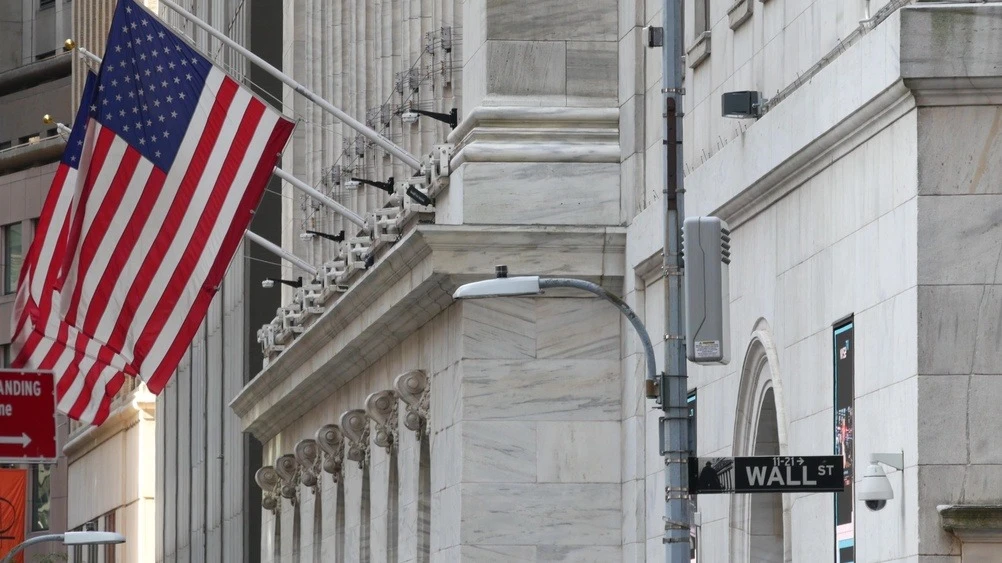
Investors are returning to risky assets. Photo: Dogora Sun/Shutterstock
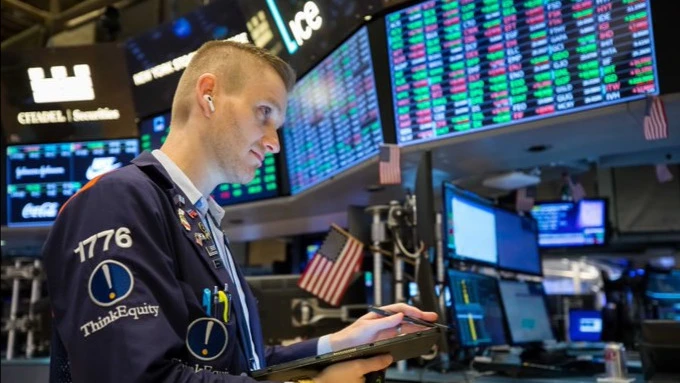
After the two-week truce between Iran and the United States was agreed upon, a number of the world's largest investment funds began buying bonds and shares of companies in the field of artificial intelligence, at the same time selling the dollar, which has become the main market beneficiary of the conflict. Investors are betting that the peak of global market sell-offs is over, Bloomberg writes.
Change of strategy in the market
On Wednesday, April 8, the head of fixed-income instruments at Schroders Plc, Kelly Wood (the company manages assets worth $1 trillion), actively bought short-term bonds, including U.S. treasuries, told Bloomberg. In turn, Franklin Templeton investment director Andrew Canobie expects a strong rally in 10-year U.S. government bonds, according to the agency.
Optimism is also seen in the equities segment: portfolio manager of Amundi SA, Europe's largest management company, Amelie Derambur, confirmed that the fund has increased the share of U.S. securities in portfolios.
"We were already positioned for a case of TACO (Trump Always Chickens Out - the view in the market that US President Donald Trump always backs down. - Oninvest)," explains Derambur. - We started to gradually build up the stock back during the sell-off, especially last week, as the market positioning at that time looked more balanced."
Investors are returning to risky assets in the expectation that the two-week truce between Iran and the U.S. will be the first step toward a full settlement of the conflict, Bloomberg writes. The sharp drop in oil prices on Wednesday not only reduced fears about the energy crisis, but also brought hope back to the market: now the US Federal Reserve has room for maneuver to lower interest rates already this year.
The bond market instantly reacted to the news of the ceasefire: quotations went up, and the yield on 10-year U.S. Treasury bonds fell by five basis points to 4.23%. Against this background, the dollar index showed a weakening.
Cautious optimism
Nevertheless, there is still some skepticism in the market: many traders are cautious about the temporary truce, pointing to the lack of specific details of the agreement, Bloomberg stresses. A real peace agreement can turn the trend to "systematic degrossing" - a process in which hedge funds massively reduced both long and short positions in an effort to minimize risk, noted in the trading department of JPMorgan Chase & Co. The bank emphasizes that after the recent sell-offs, the presence of funds in the market remains minimal, which creates a significant potential for growth in the case of the final conclusion of the deal.
Against a backdrop of general uncertainty, Allspring Global Investments portfolio manager Gary Tan (about $630 billion under management) is using price volatility to "improve the quality of the portfolio and its resilience to structurally high energy prices in the future." For the fund, this means spot purchases in key themes: artificial intelligence, defense sector and companies with improving corporate governance, Bloomberg writes.
Jupiter Asset Management investment manager Mark Nash is similarly cautious. He confirmed that he is discussing with his team the purchase of short-term US bonds and the sale of the dollar, but remains vigilant: "News of a ceasefire between Iran and the US is a positive signal, but the risk remains as there is no guarantee that a final deal will be struck".
Other experts, such as Hikaru Tanaka of Japan's Asset Management One ($510 billion under management), believe that in the current environment, China remains a reasonable investment option, maintaining its "relatively safe haven" status. Although the fund has "eased quite a bit" in overall market positions, Tanaka tries to act flexibly: "We remain agile and try not to chase the market, but just carefully go through the current period of uncertainty."
This article was AI-translated and verified by a human editor