Iran deal day could be the worst for the U.S. dollar in nearly a year
The deal between the U.S. and Iran has dampened demand for one of the most popular protective assets during the war in the Middle East, while gold prices have gone upward

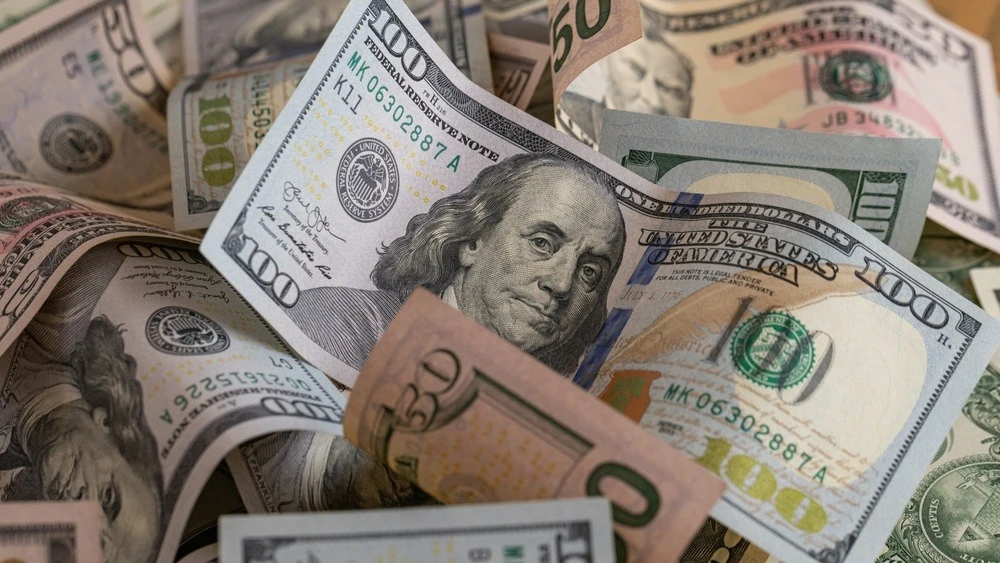
The U.S. dollar fell against a basket of major world currencies. Photo: Ruslan Lytvyn/Shutterstock
The U.S. dollar fell against a basket of major world currencies on news of a two-week truce between the U.S. and Iran, notes Bloomberg. Gold on the same news updated the maximum since March 19, and oil fell below $95 per barrel.
Details
Bloomberg Dollar Index (Bloomberg Dollar Spot Index - reflects the dynamics of the U.S. currency against a basket of 10 currencies) fell on April 8 by 0.97%, having updated a four-week low. Also, a similar currency index U.S. Dollar Index on ICE (reflects the U.S. dollar to 6 currencies, including the euro, Japanese yen, British pound, Canadian dollar, Swedish krona and Swiss franc) fell by more than 1%. According to Dow Jones Market Data, on April 8, it is headed for its biggest daily drop since April 21, 2025, Barron's writes.
The reason for the sell-off was the fall in yields of U.S. government bonds, which have lost their attractiveness amid the truce between the U.S. and Iran, leaving the dollar without fundamental support, says Bloomberg. The U.S. currency has already lost more than half of the growth gained since the beginning of hostilities in the Middle East on February 28. The U.S. dollar surrendered most strongly against risk-sensitive currencies: the South African rand and the Swedish krona (both jumped 2% on April 8), Bloomberg points out.
Also, the Chinese yuan soared to a three-year high against the U.S. dollar on the news of the ceasefire. This, among other things, contributed to the decision of the People's Bank of China, which strengthened the reference rate (fixing) of the national currency to the maximum over the past month. The euro also showed a strong rally on April 8, adding almost 1% and reaching $1.1709 - the peak value for more than a month, notes the agency.
Context
The US dollar has been growing steadily since the end of February. Investors used the U.S. currency as a safe haven, believing that the U.S. economy would be less affected by the energy crisis in the Middle East than others, as the U.S. is a net exporter of oil.
On the eve of the escalation of the conflict in the Middle East and US President Donald Trump's threats of "the death of an entire civilization" to Iran, the cost of Brent oil jumped at one point to $144 per barrel. However, after the announcement of a two-week truce in the Middle East and the opening of navigation through the Strait of Hormuz - oil quotes collapsed by more than 13%. Brent with delivery in June is trading at $94 per barrel, May contracts for WTI cost $94.6.
Spot gold at the same time in the morning of April 8 rose in price by more than 3%, exceeding $4800 per troy ounce and updating the maximum since March 19. Futures with delivery date of the precious metal in September jumped by 3.5% - above $4900.
Market Reaction
- "A 50% correction looks like a reasonable and tentative target for most currencies," said ING Bank NV head of currency strategy Chris Turner. "This means that currencies that are highly market-correlated and emerging market currencies could show a recovery of 2% for the day (from recent lows), while less volatile currencies could rise 0.5-1%," he added (quoted by Bloomberg).
- "The path of least resistance now leads to increased risk appetite: the U.S. dollar down, risk assets up. The main test for markets will be the actual safety of ships passing through the strait," said National Australia Bank Ltd. analyst Rodrigo Catril. Rodrigo Catril (quoted by Bloomberg).
This article was AI-translated and verified by a human editor