"Investors Are Taking Out Their Frustration": PagSeguro's Fintech Shares Have Plummeted. Is It Time to Buy?

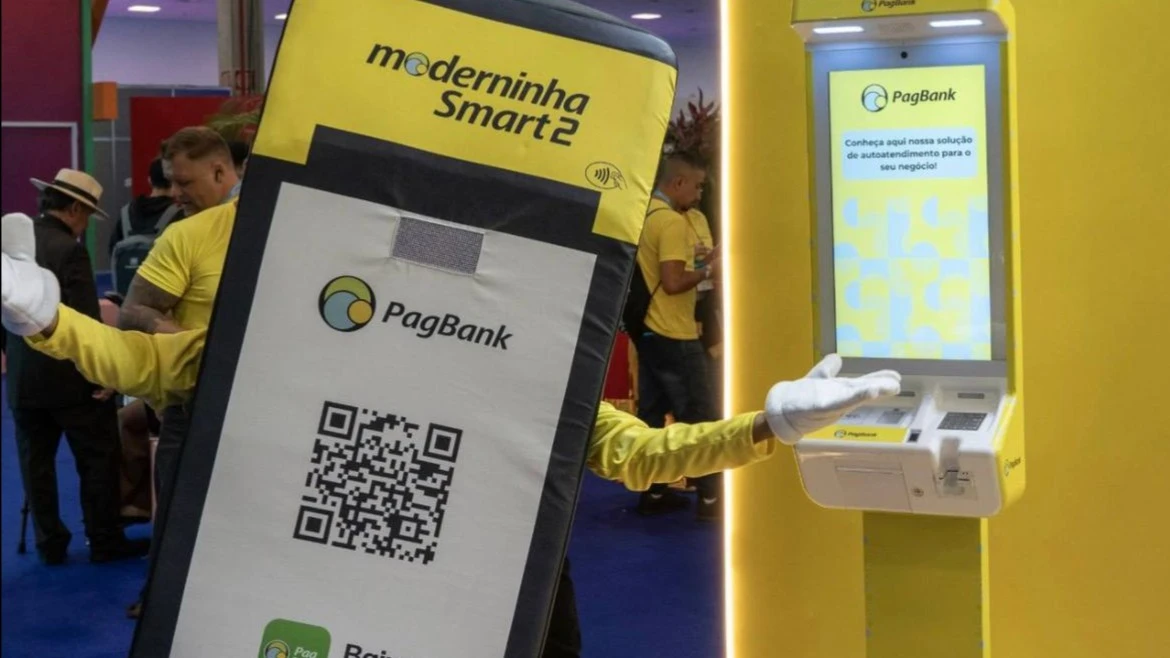
Analysts predict that PagSeguro, which operates under the PagBank brand, will see its profits grow by more than 10% annually over the next five years / Photo: Facebook / pagbank
Shares of the Brazilian fintech company PagSeguro Digital plummeted by more than a quarter on the New York Stock Exchange on October 26 after incumbent President Luiz Inácio Lula da Silva won the country’s presidential runoff election. “Investors are unhappy and are taking their frustration out on the stocks of every Brazil-related company they can find,” explains Rich Smith, a contributing analyst at The Motley Fool. But that doesn’t mean PagSeguro shares should be sold—they are undervalued regardless of who becomes president, he believes.
Details
PagSeguro Digital shares fell 25.2% on October 26 to $8.56. During the trading session, the stock price dropped as low as $7.50—a 52-week low.
After a left-wing politician—incumbent President Luiz Inácio Lula da Silva—unexpectedly won the second round of Brazil’s presidential election, investors are dumping shares of all companies even remotely connected to the country, writes Rich Smith, a contributing analyst at The Motley Fool.
However, according to Smith, the election result alone is not a reason to sell PagSeguro shares: the stock appears undervalued given its expected earnings growth. Smith points out that PagSeguro is currently trading at just 7.7 times its earnings over the past 12 months (P/E ratio). In addition, analysts forecast that the company’s earnings will grow by more than 10% annually over the next five years, he adds. These two factors suggest that PagSeguro’s stock is undervalued and has upside potential regardless of who becomes Brazil’s president, Smith believes.
Most Wall Street analysts are more cautious: eight of them recommend holding the fintech stock, six recommend buying it, and two recommend selling it. According to Yahoo Finance, the average price target is $10.8, which implies upside potential of more than 26% from the closing price on October 26.
Context
On Monday, Lula da Silva narrowly defeated conservative candidate Jair Bolsonaro, who had won the first round in early October. Voters are dissatisfied with high taxes and the way the incumbent president is managing the economy. Investors, who began buying up Brazilian assets, hoped that the change in administration would lead to spending cuts and deregulation.
After the second round, hopes were dashed—investors began selling off assets tied to the country, and the Brazilian currency, stocks, and bonds fell in value.
“Everyone is very surprised today. There was a strong belief in the market that Bolsonaro would win, which was seen as a positive factor for local assets,” Chris Turner, head of global market research at ING, told The Wall Street Journal.