The Brazilian president was re-elected, defying market expectations. Investors are bracing for a crash
According to traders in São Paulo, Monday's sell-off could be so severe that the exchange might suspend trading

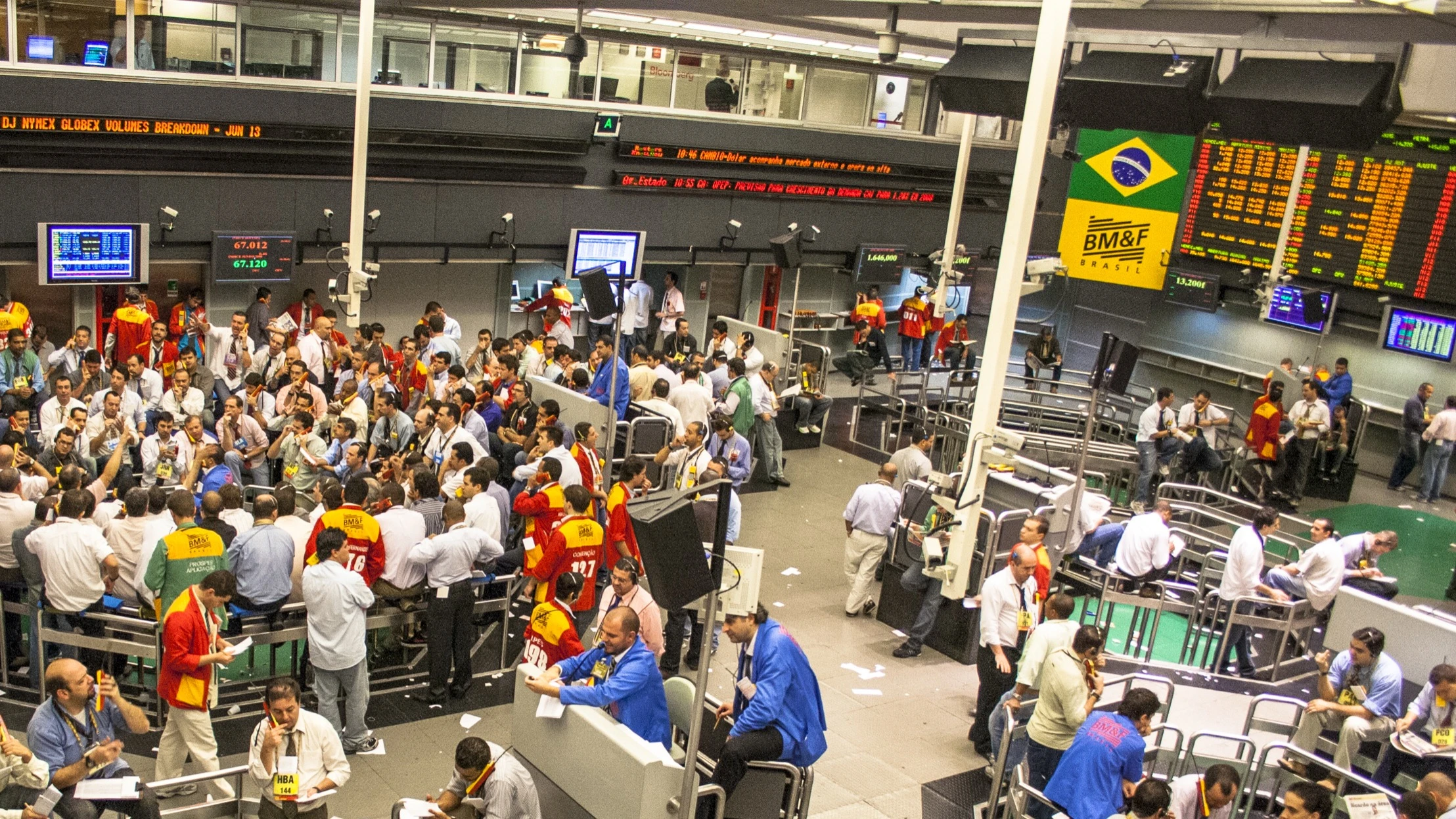
Brazilian traders are bracing for a stock market crash following the incumbent president's unexpected re-election / Photo: Alf Ribeiro / Shutterstock.com
Brazilian President Luiz Inácio Lula da Silva, a left-wing politician, defeated right-wing Senator Flávio Bolsonaro—who was favored by many investors—in the second round of the election on Sunday, according to Bloomberg. Lula received 51.8% of the vote, while Bolsonaro received 48.2%, the Superior Electoral Court—which oversees elections in Brazil—reported after nearly all ballots had been counted.
The first signs that the Brazilian market was headed for a crash on Monday emerged during Asian trading. The Nomura NF Ibovespa Link Brazilian stock exchange-traded fund (ETF) in Tokyo fell as much as 16% during the trading session—according to Bloomberg, it hadn’t dropped that much in a single day since 2020. The iShares MSCI Brazil ETF (EWZ) lost nearly 20% on the morning of October 26 on the U.S. brokerage platform Robinhood. November futures for the Brazilian real fell by nearly 10%.
The brokerage firm Monte Bravo predicted that, in the event of a Lula victory, Brazil’s main stock index, the Ibovespa, could fall by 11% in the first hour after the market opens, according to Bloomberg. Traders in São Paulo expect the automatic trading halt mechanism to be triggered: the exchange suspends trading for 30 minutes if the index drops by 10% or more. The last time this happened was in early 2020, when global markets were in turmoil due to the pandemic, the agency notes.
A Failed Bet
Bolsonaro unexpectedly beat Lulu on October 4 in the first round. The senator had advocated for tighter fiscal policy and tax breaks for companies, and the next day, markets surged on expectations of a shift to the right, according to Reuters. The iShares MSCI Brazil ETF rose 12.5% that day, reaching its highest level since February 2020, Investor’s Business Daily notes. Between the first and second rounds of the election, the Ibovespa gained nearly 7%, and the real strengthened against the dollar by nearly 5%. Although polls indicated a close race between the candidates, and many investors began hedging their portfolios, a Bolsonaro victory was still considered the base-case scenario, Bloomberg notes.
“The markets weren’t prepared for this (Lula’s victory. — Oninvest). In Tokyo, we’re seeing positions opened ahead of the election being closed out: the gains from after the first round are vanishing almost overnight,” Bloomberg quotes Anna Wu, founder of Floodlines Research, as saying. “This is more than just a reflex reaction: the local (Brazilian. — Oninvest) market now faces a real threat of sovereign debt problems and currency depreciation.”
The market doesn't believe Lule
Meanwhile, according to Bloomberg, investors consider it unlikely that Lula will decide to cut spending. Since returning to power in January 2023, the president has done little to reduce the growing budget deficit, the agency notes. Public debt already exceeds 82% of GDP, and pensions and other legally mandated expenditures are limiting opportunities for savings, Reuters points out.
“At least for the foreseeable future, we shouldn’t expect a major shift in economic policy,” says Guillermo Abboud, CEO of Persevera Asset Management (as quoted by Bloomberg). “Over time, Lula may become more cautious with spending, but the market is unlikely to give him the benefit of the doubt.”
This article was AI-translated and verified by a human editor