Iran's chief negotiator accused Trump of "theatrical diplomacy"
Trump, however, stated that negotiations regarding the Strait of Hormuz are ongoing

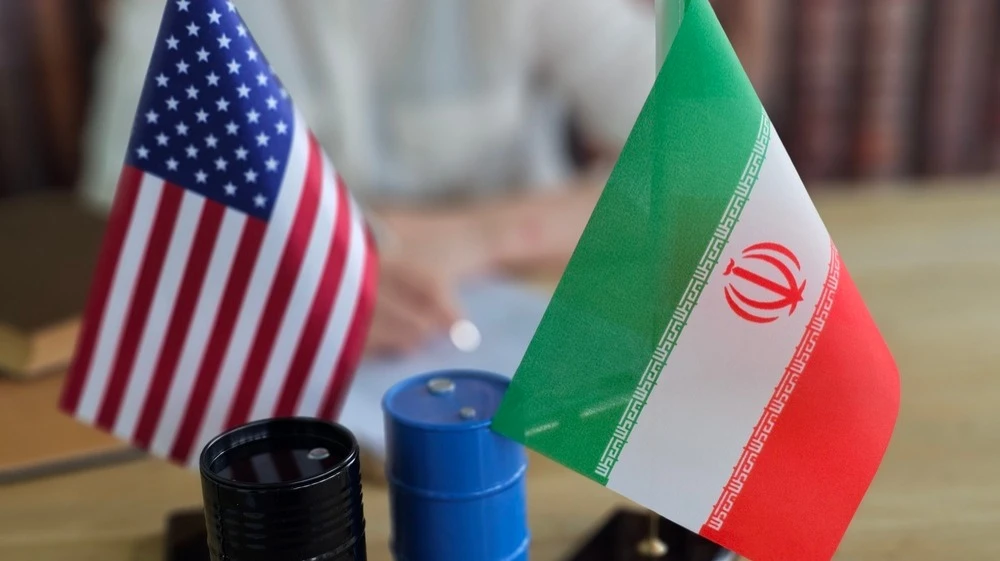
Mohammad-Bagher Ghalibaf, Speaker of the Iranian Parliament and chief negotiator with the U.S., accused President Donald Trump of “theatrical diplomacy.” Photo: NMK-Studio/Shutterstock
Mohammad-Bagher Ghalibaf, Speaker of the Iranian Parliament and chief negotiator with the U.S., accused President Donald Trump of “theatrical diplomacy.” The statement came as Washington and Tehran exchanged conflicting reports about bilateral talks aimed at ending their protracted standoff, according to CNBC.
“‘A massive attack is coming... wait, stand down—they want to negotiate.’ That’s theatrical diplomacy,” Galibaf wrote on the social media platform X.
His remarks came a few days after Trump first threatened Iran with a new strike and then announced that he had called off the attack and that the two sides were negotiating a deal. In Tehran, officials denied reports of any dialogue with Washington. Nevertheless, on August 4, U.S. Treasury Secretary Scott Bessent stated that the U.S. and Iran could reach an agreement in the coming days that would reopen the Strait of Hormuz. Axios reported that this agreement is intended to ensure the unimpeded flow of ships through this waterway for 60 days. However, on August 6, the Iranian state news agency Fars published its own version of the agreement on control of the Strait of Hormuz. It stipulated that Tehran would prohibit U.S. and Israeli ships from passing through the waterway and would also restrict access for countries that had “inflicted damage” on Iran during the war. The draft agreement provided for fines of up to 20% of the cargo’s value for violators of the agreement’s terms.
After the draft was published, however, Trump stated that negotiations regarding the Strait of Hormuz are continuing.
What's Going On with Oil?
Energy prices reacted to Tehran’s tougher stance on control of the Strait of Hormuz. Prices rose early Friday but began to fall by midday: at the time of publication, October Brent futures are trading around $82 per barrel (0.63% lower than the previous day), while September WTI futures are trading at around $77 per barrel (down 0.47% from the previous close).
The Escalation of the Conflict in the Middle East
The war launched by the U.S. and Israel against Iran is now spreading throughout the region: the energy infrastructure of the Persian Gulf and key shipping lanes are once again under threat. According to CNN, Saudi Arabia is preparing for a series of coordinated attacks by Iraqi paramilitary groups acting in conjunction with the Iran-backed Yemeni Houthis. Intelligence reports from Saudi Arabia and other countries in the region indicate that these groups, coordinated by Iran’s Islamic Revolutionary Guard Corps, are planning to strike the kingdom, CNN reported yesterday.
This warning came the day after the Houthis claimed responsibility for an attack on two Saudi oil tankers in the Gulf of Aden—another maritime route that is critical for energy exports. In recent weeks, Saudi Arabia has been regularly subjected to missile strikes by the Houthis, as well as drone attacks by pro-Iranian groups based in Iraq, CNBC notes.
The Shipping Crisis and New Restrictions
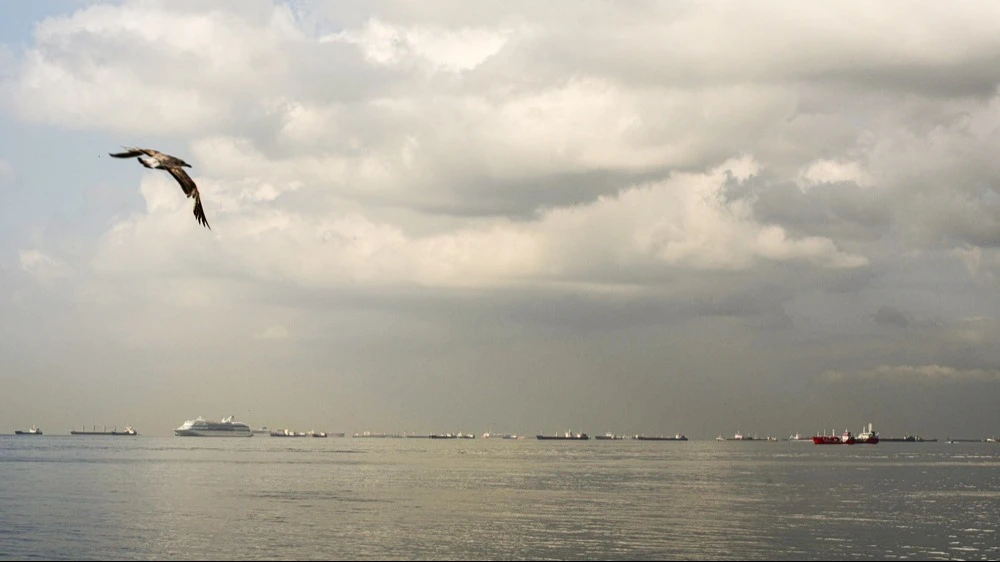
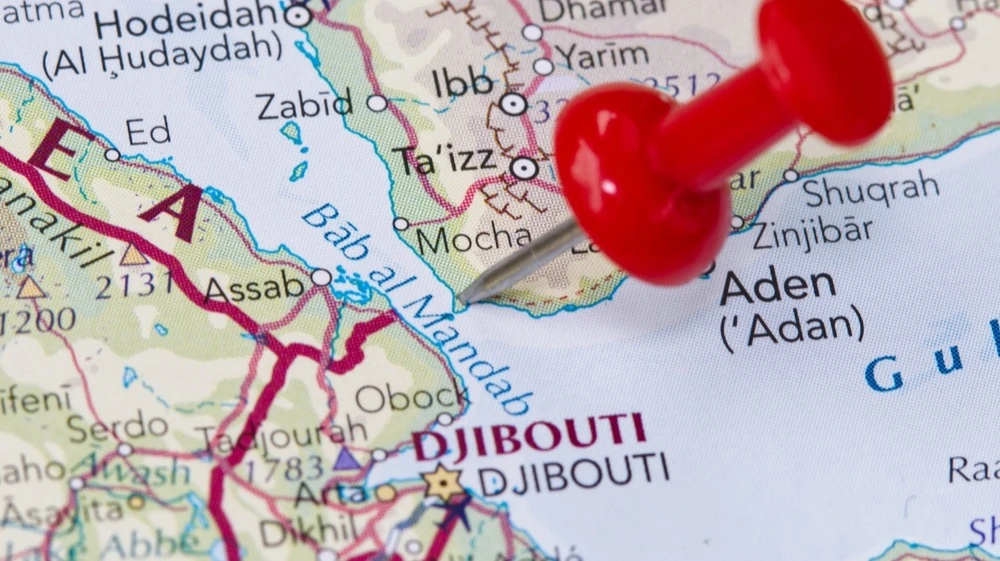
In recent days, traffic through the two most important shipping lanes in the Middle East—the Strait of Hormuz and the Strait of Bab el-Mandeb—has decreased. According to data from the ship-tracking service Kpler, cited by Reuters, only two vessels passed through the Strait of Hormuz on Wednesday (compared to eight the day before). Before the conflict escalated in February, that figure stood at 130–140 ships per day. On August 6, traffic through the Bab el-Mandeb Strait dropped to just one dry cargo ship, whereas 20 ships had passed through the previous day.
Analysts believe it is unlikely that traffic volumes through the Strait of Hormuz will return to previous levels anytime soon, even if Oman and Iran reach an agreement on control of this waterway, CNBC notes.
This article was AI-translated and verified by a human editor