"There aren't really any alternatives": The U.S. dollar has seen its longest streak of gains since the beginning of 2025

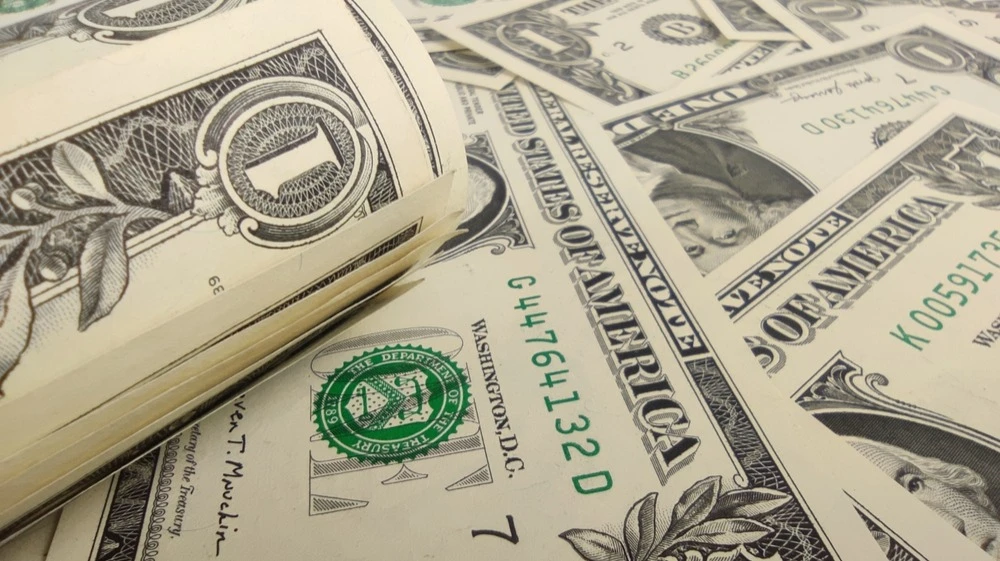
The U.S. dollar is rising for the fourth week in a row / Photo: Shutterstock.com / TeraMax
Against the backdrop of high oil prices, fueled by new attacks from Iran, the U.S. dollar is posting its longest streak of weekly gains since the beginning of 2025, according to Bloomberg. However, investment risks related to artificial intelligence and the geopolitical situation ahead of the U.S. midterm elections could weaken the U.S. currency, some analysts warn.
Details
The Bloomberg Dollar Spot Index has been strengthening for the fourth consecutive week, marking its longest streak of weekly gains since the beginning of 2025. During this period, the index has gained nearly 3%. On October 9—after the yield on 10-year Treasury bonds rose by four basis points to 5.27%—the index rose by 0.2%. Overall, the U.S. dollar is being supported by high oil prices and the tense geopolitical situation in the Middle East, which is fueling market concerns about disruptions to energy supplies, Bloomberg notes.
At the same time, high energy prices are increasing inflationary risks and reinforcing expectations that the U.S. Federal Reserve will have to continue tightening monetary policy following the rate hike in September. “Since the global bond market and risk appetite still appear volatile, and the Fed’s ‘hawkish’ rhetoric is convincing markets that a rate hike is coming in December, we maintain our expectation of some dollar strength in the near term,” wrote Francesco Pesole, currency strategist at ING Groep NV, in a research note.
The U.S. dollar is also receiving additional support from the fact that the U.S. economy can withstand a larger increase in interest rates than other major economies, Bloomberg reports. For example, the euro is under pressure from France’s budget problems and high energy prices. Earlier this week, the single European currency fell to its lowest level since May 2025.
“Until oil prices fall, we expect a period of sustained dollar strength,” said Sarah Ying, head of currency strategy at CIBC Capital Markets. “Declining risk appetite, fiscal problems in Europe, and concerns about supply disruptions through the Strait of Hormuz continue to drive investors toward the dollar: there aren’t really any alternatives,” she added.
Risks to the Dollar
However, the U.S. dollar’s rise could be halted by concerns over spending on artificial intelligence and the geopolitical situation ahead of the U.S. congressional midterm elections in November, Bloomberg notes. Until now, the dollar has benefited from the AI boom and record gains in the U.S. stock market, which have attracted foreign capital. However, U.S. stocks fell on Thursday after OpenAI reported revenue that fell short of expectations.
The midterm elections pose an additional threat to the U.S. currency. Polls indicate that the Democrats could gain control of at least one chamber of Congress. This would allow the party to more actively pursue legislative initiatives, including potentially tighter regulation of the artificial intelligence industry. Such a scenario could trigger a sell-off in the stock market, notes Bloomberg.
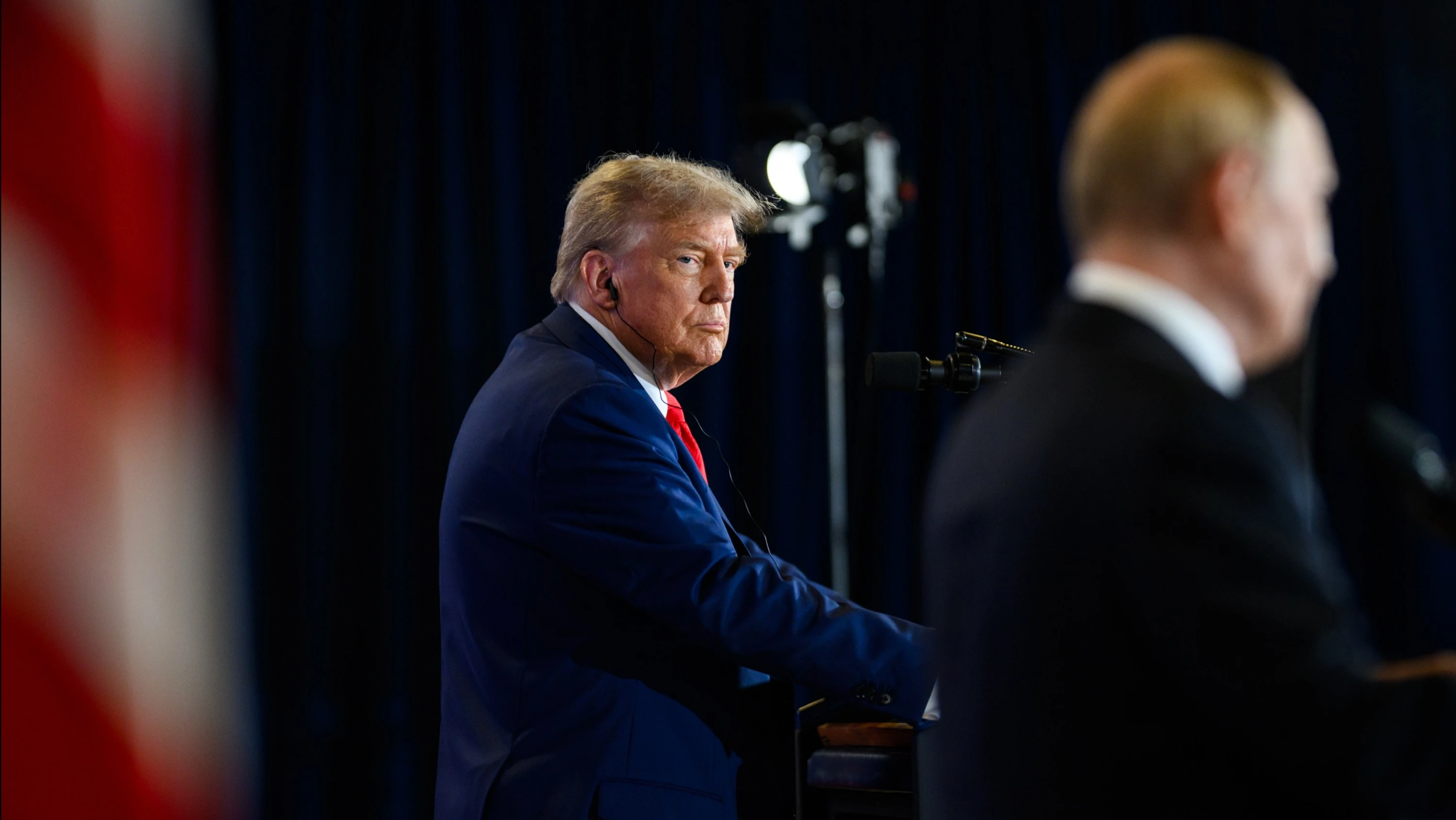
Another negative factor for the dollar could be a shift in the Donald Trump administration’s policy toward Iran. “The main risk ahead of the midterm elections for the [U.S. Congress] is that the dollar could lose some of its appeal,” said Dominic Banning, head of G10 currency strategy at Nomura. In his view, Trump may try to ease tensions surrounding Iran before the election to drive down energy prices and boost the Republicans’ chances. On Thursday, Trump stated that the U.S. would not attack Iran before the November election. Earlier this month, in an interview with *Time*, the U.S. president had left open the possibility of military strikes after the election.
Since the start of the war between Iran and the U.S. in late February, the price of Brent crude has risen by about 44%, while the price of U.S. WTI crude has risen by 37%.
This article was AI-translated and verified by a human editor