Luxury stocks have fallen in price due to the U.S.-Iran war. Hermes at a two-year low
The Middle East is not the largest but an important market for the industry

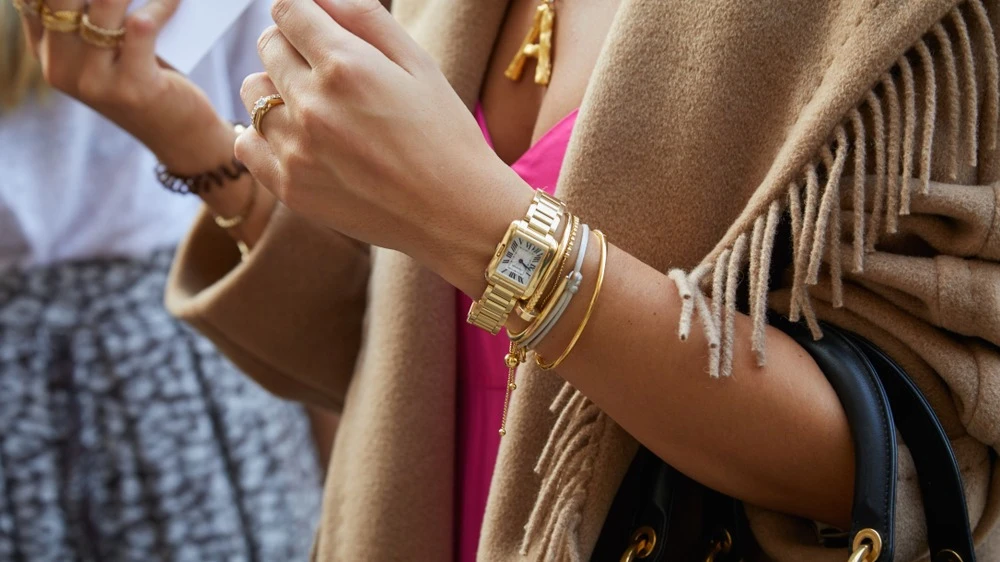
The Middle East is putting pressure on Europe's luxury sector / Photo: andersphoto / Shutterstock
Luxury stocks were among the hardest hit on March 3 during a general decline in European markets triggered by escalating conflict in the Middle East, CNBC notes.
Details
Among the outsiders on March 3 are the securities of luxury holding company LVMH, as well as the owner of the Gucci brand, Kering, and British outerwear maker Burberry.
- Shares of LVMH, the market leader that owns the Louis Vuitton and Christian Dior brands, fell 3.5% in Paris trading. The closing price of €502.2 was the lowest since September 12. During the day, the securities were down 4.6%.
- Shares of Kering, which owns Gucci, lost 6.7 percent, also falling to their lowest close since Sept. 12.
- Hermes quotes fell by 3.5%. During the day, the share price fell to €1883.5 - the lowest level since mid-January 2024.
- Shares of Richemont, owner of the Cartier, Van Cleef & Arpels and Chloé brands, fell 4%;
- Shares of Britain's Burberry were down 3.2 percent in London.
By comparison, the pan-European index of "blue chips" Stoxx 600 on March 3 fell by 3.1% after falling by 1.6% a day earlier. Since the beginning of the week, the losses of LVMH, Kering and Burberry approached 10%, noted CNBC.
Why luxury stocks are falling
The Middle East has become a key source of growth for the luxury goods industry in recent years amid a slowing global economy and weakening consumer demand, CNBC notes.
"The Middle East was one of the few bright spots. It was a relatively small market but very dynamic, and now it's under pressure as well," Morningstar analyst Elena Sokolova told CNBC.
At the same time, there is still high uncertainty about the possible timing of the conflict's completion, Sokolova noted. At the same time, she called the current market reaction "excessive," given that the share of luxury companies' sales in the region is relatively small.
Even positive momentum in the Gulf countries did little to help brands offset weakness in the strategically important Chinese market, CNBC noted. The sector's biggest players, including LVMH and Kering, are still struggling to return sales to sustainable growth, it added.
What's next?
While luxury brands' share of revenue in the Middle East is in the single digits, the consequences could be more widespread if the conflict drags on for weeks or months, CNBC writes.
"If the situation does not normalize and there are additional problems with oil and gas supplies from the Gulf, the likelihood of a global recession will increase, and this will inevitably hit discretionary sectors such as luxury goods," Bernstein analyst Luca Solca told the broadcaster.
He said that if the war lasts another six months, with oil supplies significantly disrupted, "this would be an extremely negative scenario" for the industry.
Shares of luxury segment companies are traditionally under pressure during periods of heightened geopolitical and economic uncertainty, as demand in this sector largely depends on a positive emotional background and consumer confidence, CNBC notes.
"Demand for luxury goods is based on a high level of consumer confidence and positive expectations about their own future, and the buying process itself is often emotional rather than transactional," said analysts at RBC Capital Markets.
This article was AI-translated and verified by a human editor