Morning in New York: Macroeconomic Data Favors the Bulls

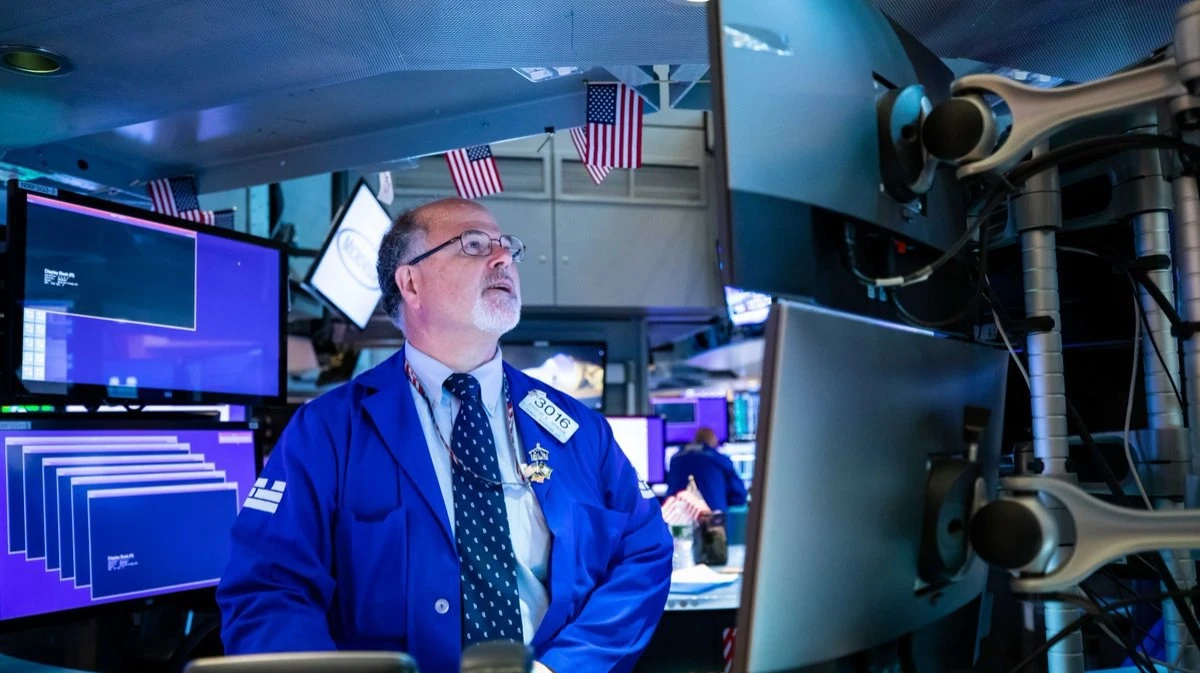
The release of the business activity indices for September will influence expectations regarding the U.S. Federal Reserve's future policy / Photo: X / NYSE
A daily review and forecast of events in the U.S. stock market by Mikhail Denislamov, Deputy Director of Capital Markets Research at Freedom Broker.
We expect
This week, the investment community will be focusing on the implementation of the G7’s decision to release 100 million barrels of diesel fuel and other energy resources through the International Energy Agency over the next four months to reduce shortages and stabilize prices. A significant volume of diesel fuel will enter the market within the next 20 days. However, the causes of supply disruptions remain. Yesterday, Iran stated that the Strait of Hormuz will not be opened until the U.S. fulfills the seven conditions of the June agreement. Tehran is open to resuming shipping within seven days of its proposal being accepted. Nevertheless, the effect of releasing reserves without reaching formal agreements to resolve the conflict will be temporary.
Following their meeting on October 4, the OPEC+ members kept production limits for November unchanged. Threats by the Houthis to continue attacks on Saudi Aramco facilities in Riyadh and the Khurais area are heightening risks to energy infrastructure. Shipping in the Bab el-Mandeb Strait also remains unstable. If new major disruptions can be avoided, the release of reserves and the stability of export flows could support a decline in oil prices. However, a further escalation of the conflict could quickly send prices soaring.
This Monday, S&P Global will release its September Purchasing Managers’ Index (PMI) figures. The consensus estimate for the services PMI is 58.7 points, while the consensus for the composite PMI is 58.3 points. The corresponding ISM index for the services sector is expected to come in at 55 points, down from 55.4 a month earlier. Stronger readings for business activity and price components could support Treasury yields. If, however, the actual results turn out to be lower than forecast, the probability of a pause in the Fed’s rate hikes—given the weak September labor market data—will be revised upward.
Futures on U.S. indices are not showing any significant movement. We assess the risk balance for the upcoming session as neutral, with moderate volatility. Price movements will be driven by the September U.S. business activity indices. Oil price movements will serve as an additional driver. The aforementioned agreements to release strategic reserves may ease price pressures; however, the threat of new attacks on energy infrastructure in the Gulf states increases the risk of disruptions in hydrocarbon supplies.

What to Watch for in the Pre-Market
— PTC (PTC) shares soared more than 30% following the announcement that Schneider Electric would acquire the company for $22.6 billion. Shareholders will receive $205 per share in cash. The transaction, which will allow Schneider to expand its portfolio of product design and manufacturing management software, is scheduled to close in the third quarter of 2027.
— Vistra (VST) shares are rising by about 7% on reports that the U.S. administration plans to provide the company with a loan package of approximately $4 billion to modernize two nuclear power plants in Ohio and one in Pennsylvania. The financing will allow the company to increase output at its existing facilities to meet increased demand from data centers.
— Tesla (TSLA) took center stage after Elon Musk confirmed talks with TSMC (TSM) regarding collaboration on the Terafab project. TSMC’s participation in the project could provide Musk’s company with chips for AI development. However, no specific agreements have been reached yet.
— A joint venture between Intercontinental Exchange (ICE) and the crypto platform OKX have notified the SEC of their plans to launch a platform for round-the-clock trading of tokenized versions of 63 U.S. stocks, while preserving dividends and voting rights for their holders, which opens the door to round-the-clock trading. The project will operate under the SEC’s temporary regulatory exemption for digital securities.
The market during the previous session
Trading on October 2 on U.S. stock markets ended in positive territory. The S&P 500 gained 0.73%, the Nasdaq-100 rose 1%, the Dow Jones rose 0.49%, and the Russell 2000 gained 0.94%. All sectors included in the broad-market index closed in positive territory, with the exception of healthcare, which showed near-zero movement.
The weak Labor Department report for September was the driver of growth. Nonfarm payrolls increased by only 29,000, compared to a consensus estimate of around 90,000, while the unemployment rate rose from 4.1% to 4.2%. Figures for the previous two months were revised downward by a total of 60,000: in July, nonfarm payrolls fell by 10,000, compared with a preliminary estimate of a 21,000 increase, and in August, the final figure was 133,000, compared to the initial estimate of 162,000. Average hourly earnings rose by only 0.1% MoM and 3% YoY, marking the slowest pace since December 2025 and May 2021, even though the consensus forecast had called for increases of 0.3% MoM and 3.1% YoY, respectively. The noticeable cooling of the labor market increases the likelihood that the Fed will refrain from further tightening monetary policy in October. Nevertheless, pressure on stocks from Treasuries persists: the yield on 10-year Treasury bonds rose by 5 basis points, reaching 5.28%.
The cyclical consumer goods sector (XLY: +1.13%) led the gains, with Tesla (TSLA: +4.7%) making a significant contribution to its performance. The company delivered 486,500 vehicles in the third quarter. This was 2% less than a year earlier but exceeded average market expectations. Investors had feared a deeper decline following the elimination of tax credits for electric vehicles in the U.S., so the results were received positively.
The technology sector (XLK: +1.01%) also supported the market, though buying activity was mixed. Memory and storage manufacturers came under pressure amid demand for AI computing. Western Digital (WDC) and Seagate Technology (STX) each lost 10.2% following reports that Toshiba plans to double its hard drive production capacity by fiscal year 2027, by investing approximately $380 million in manufacturing facilities in the Philippines. The increase in supply heightened concerns about the sustainability of the shortage of storage devices for AI data centers and the declining ability of U.S. manufacturers to maintain high prices.
WTI crude oil fell 2% to $91.1 per barrel, marking a correction for the fourth consecutive week. Maritime energy carriers are gradually adapting to disruptions in the Middle East. The restoration of operations on the Saudi East-West pipeline, with the resumption of crude oil shipments from the port of Yanbu, has eased the threat of a growing supply shortage. Against this backdrop, the geopolitical premium has been steadily narrowing, although the risks of new attacks and shipping restrictions remain.
This article was AI-translated and verified by a human editor