The euro has fallen to a 17-month low. Early elections have been called in Spain

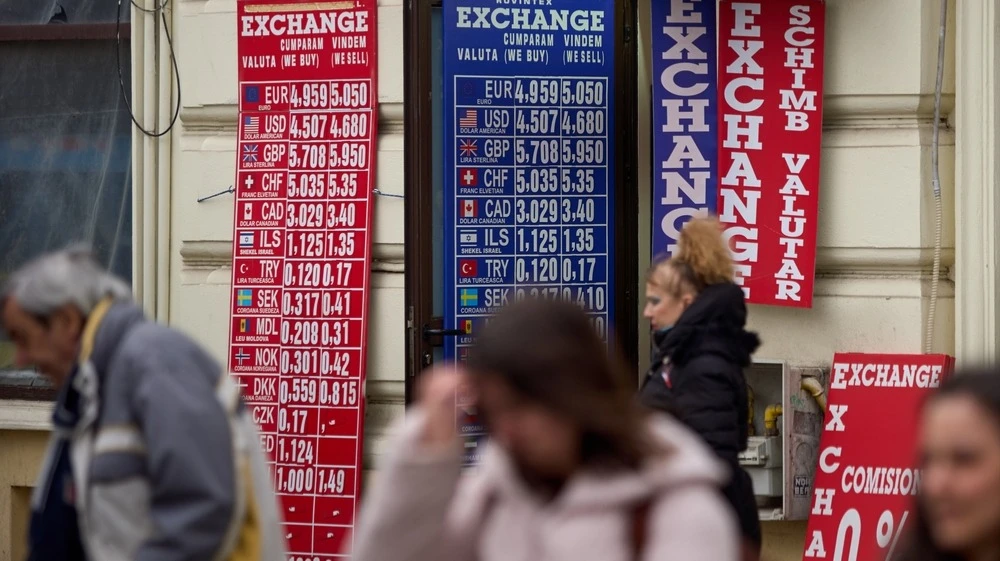
Concerns over the situation in France and Spain have fueled euro sell-offs / Photo: LCV/Shutterstock.com
The euro fell 0.8% to $1.116 during Asian trading on October 5—its lowest level since May 2025, according to Bloomberg. The agency attributes the decline to growing investor concerns over political and fiscal risks in Europe.
Ahead of the weekend, JPMorgan Chase strategists warned that the single currency could continue to fall, particularly against the Swiss franc and the yen. According to their assessment, the widening yield spread between French and German government bonds has not yet fully affected the euro exchange rate, the agency notes.
Funds are exchanging euros for dollars
The decline was accelerated by hedge funds that were selling euros for dollars on the spot market in Asia, traders told Bloomberg on condition of anonymity. As a result, the exchange rate fell to levels that triggered additional option-related selling.
"We are beginning to see signs of a deterioration in overall sentiment toward the euro," Reuters quotes Bart Wakabayashi, head of State Street's Tokyo office, as saying. “Institutional investors are very aggressively swapping euros for dollars,” the expert added.
French Debt, Spanish Elections
In France, investors are demanding increasingly higher yields on government bonds compared to comparable German securities: according to Bloomberg, on October 2, the spread reached its highest level since 2011. Market participants are concerned about the political situation ahead of next year’s elections. Opposition parties do not seem particularly willing to compromise with President Macron’s outgoing administration, the agency notes.
Reports of early elections in Spain created additional uncertainty—and on the morning of October 5, Prime Minister Pedro Sánchez did indeed announce that a vote would be held on November 29, according to CNBC. This all came after the government suffered a defeat in parliament: on Friday, lawmakers rejected two emergency decrees intended to quell mass protests against rising rent costs, according to Deutsche Welle.
Meanwhile, the ECB faces a difficult choice: high energy prices are fueling inflation but are holding back economic growth. In September, the rate of consumer price inflation in the eurozone reached 3.8%—the highest level since September 2023—while the central bank’s target is 2%. This is increasing pressure on the central bank to further tighten monetary policy, notes Trading Economics.
JPMorgan anticipates further weakness in the single currency: “The euro is too strong against the Swiss franc and may continue to decline,” the bank’s strategists wrote on October 2. During trading on October 5, it fell by 0.5%—marking the third consecutive session of decline, according to Bloomberg.
This article was AI-translated and verified by a human editor