Morning in New York: Oil and AI Are Putting More Pressure on Stocks

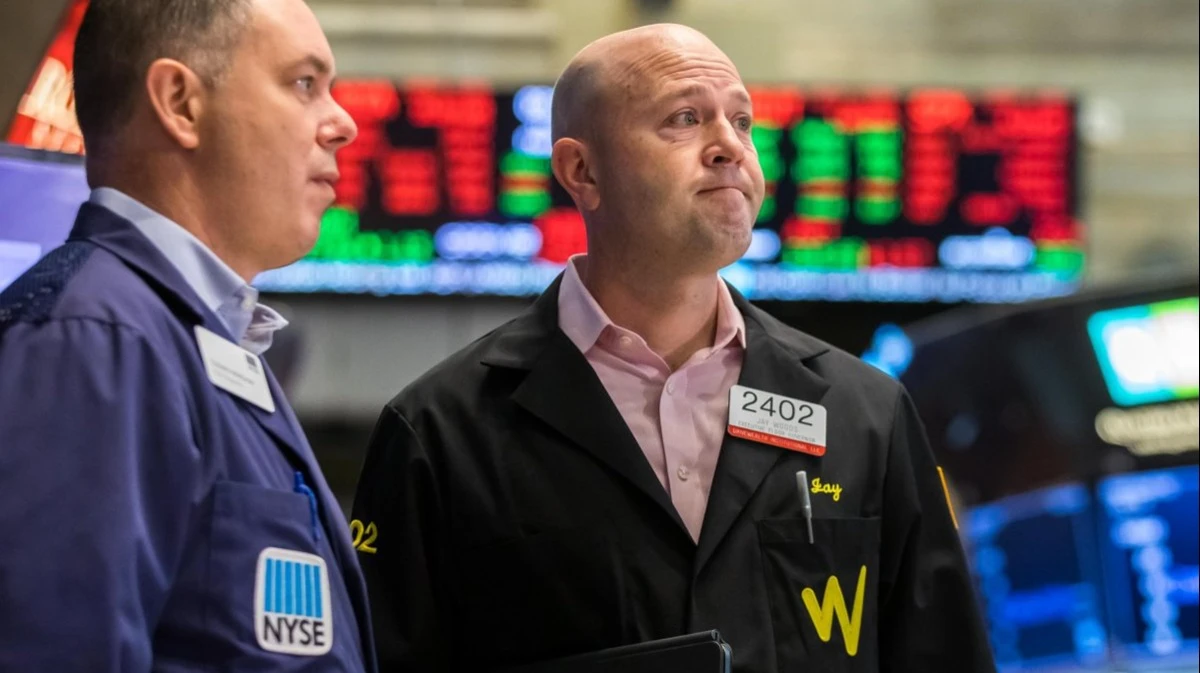
U.S. index futures are trading in negative territory amid rising oil prices and concerns about an economic slowdown / Photo: X / NYSE
A daily overview and forecast of events in the U.S. stock market by Mikhail Denislov, Deputy Director of Capital Markets Research at Freedom Broker.
We expect
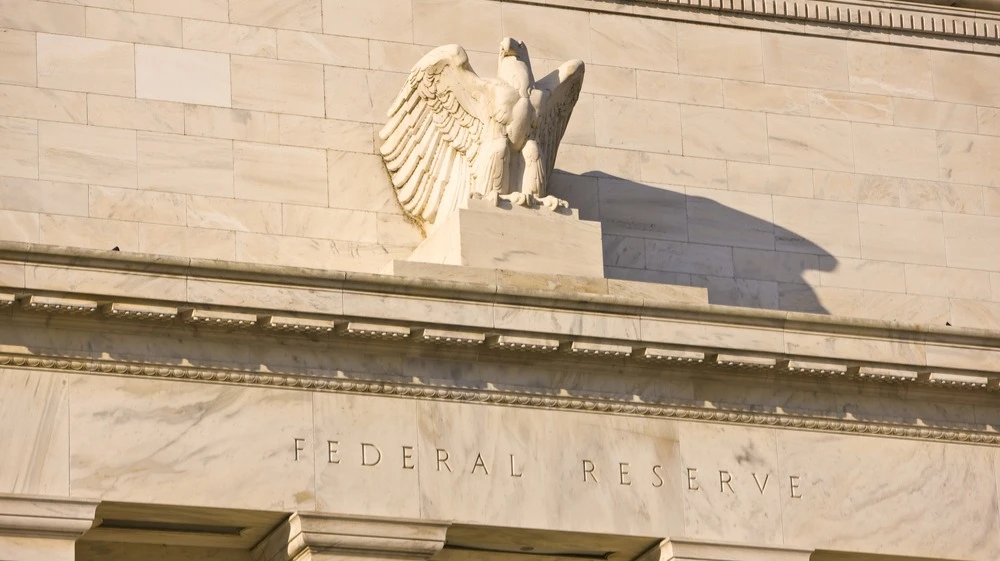
The key event this week will be the Fed meeting on September 15–16, following which a decision on the interest rate will be made. The market estimates the probability of a 25-basis-point hike at approximately 87%. On Monday, however, in the absence of significant macroeconomic releases, the main factors driving the market remain the geopolitical situation in the Middle East, oil price movements, and pressure on the technology sector.
The geopolitical situation in the Middle East is deteriorating once again: The positive sentiment that supported the market on Friday was linked to a meeting scheduled for Monday between Iran and the Gulf states in Oman to discuss shipping in the Strait of Hormuz. However, the talks have been postponed, reducing the likelihood of a quick diplomatic solution and increasing uncertainty surrounding oil supplies.
Risks to energy infrastructure have also increased following a drone attack on Saudi Arabia’s East–West oil pipeline, which allows oil exports to be rerouted around the Strait of Hormuz. Saudi Arabia has temporarily suspended its operation as a precautionary measure. At the same time, the Houthis’ expanding control over Yemen’s coastline and the Bab el-Mandeb Strait area is heightening threats to shipping in the Red Sea. Taken together, these factors create additional risks of disruptions to maritime oil supplies and put pressure on global trade.
Calls from leading AI model developers to slow the pace at which their capabilities are expanding have emerged as a separate risk for the technology sector. The initiative by Anthropic CEO Dario Amodei—citing the risks of AI misuse and the need to strengthen independent safety assessments—has received public support from Sam Altman of OpenAI and Elon Musk of xAI. The market has already reacted with a decline in the stock prices of Asian companies involved in AI and semiconductors. For now, investors tend to interpret the statements by industry leaders primarily as an attempt to shape a more acceptable regulatory framework and mitigate the risks of uncontrolled technological development. However, if the industry does indeed shift to a slower release cycle for cutting-edge models, this may require a reassessment of AI asset valuations: the commercialization of products and the growth in demand for computing power will slow, and the payback periods for large-scale investments in data centers, accelerators, and the semiconductor supply chain may be extended.
No major macroeconomic data releases are scheduled for Monday. Before the market opens, CoinShares (CSHR), Coda Octopus Group (CODA), and RF Industries (RFIL) will report their earnings. After the market closes, Radiant Logistics (RLGT), Dave & Buster’s Entertainment (PLAY), and High Tide (HITI) will report their earnings.
Index futures are trading in the red. We assess the risk outlook for the upcoming session as negative, with elevated volatility. The main source of pressure today remains the renewed rise in oil prices amid heightened risks of supply disruptions from the Middle East and weakness among companies related to artificial intelligence. Higher oil prices are fueling inflation expectations and complicating the Fed’s task, heightening concerns that the period of high interest rates may last longer than the market had previously anticipated.
What to Watch for in the Pre-Market
— Scholar Rock (SRRK) is up 10% following the U.S. Food and Drug Administration’s approval of the company’s first drug for the treatment of a rare inherited neuromuscular disorder. The decision paves the way for Scholar Rock to begin commercial sales and reduces a key regulatory risk for the company, which had previously been in the drug development stage. That said, the stock’s future performance will depend on the pace at which the therapy is brought to market and its initial sales.
— Olema Oncology (OLMA) is down 8.5% following the failure of an AstraZeneca drug trial in a similar area of breast cancer treatment. The market is extending this negative sentiment to Olema’s own drug development, as the trials share a similar approach and target patient population. This heightens concerns that Olema’s drug may face similar limitations, even though its own results have not yet been published.
— Corning (GLW) is down 5.6% following the launch of a share offering program worth up to $2 billion through Goldman Sachs. The company will be able to sell shares on the market in tranches, timing the sales based on the stock price and its capital needs. Investors reacted negatively to the risk of dilution of existing shareholders’ stakes, even though the proceeds are intended for general corporate purposes.
— Johnson & Johnson (JNJ) is in the spotlight amid reports of negotiations with Apollo Global Management regarding the sale of its orthopedic division, DePuy Synthes. The potential deal could be worth about $20 billion. Selling or spinning off the business into a separate company is in line with J&J’s strategy of focusing on faster-growing areas of healthcare, though a final decision has not yet been made.
— Nvidia (NVDA) is in talks to invest up to $10 billion in Anthropic’s IPO, which could become the largest offering in history. Anthropic expects to raise up to $100 billion at a valuation of about $2 trillion. Nvidia’s participation as an anchor investor will strengthen its ties with one of its largest customers while also supporting demand for its computing solutions.
The market during the previous session
The U.S. market closed on September 11 with a rebound following the previous day's decline: the S&P 500 rose 0.86%, the Nasdaq 100 rose 0.91%, the Dow Jones rose 0.98%, and the Russell 2000 gained 0.45%. The IT sector led the way: XLK gained 1.32%, while industrials (XLI: +1.07%) and communication services (XLC: +0.99%) also posted strong gains. Demand for tech stocks provided support, but the yield on 10-year Treasury bonds continued to climb toward 5%, reaching 4.97%—its highest level since October 2023. Rising borrowing costs continue to pose a risk of pressure on high-valuation stocks and interest-rate-sensitive market segments.
The key event of the day was the release of August U.S. consumer inflation data. The overall Consumer Price Index rose 0.4% month-over-month and 3.4% year-over-year, in line with forecasts. However, core inflation—which excludes volatile food and energy prices—accelerated by 0.3% over the month, slightly exceeding expectations. This strengthened the case for a Fed rate hike at its upcoming meeting on September 15–16. An additional signal came from the University of Michigan’s preliminary September consumer sentiment index: it fell to 47.8 points, compared with an expected 51.0.

Oil prices fluctuated following reports that Iran was preparing to meet with Gulf states in Oman to discuss the situation surrounding the Strait of Hormuz. U.S. WTI crude returned to levels of $100 per barrel. However, diplomatic engagement has not yet eliminated the risk of a protracted conflict and disruptions to oil supplies, so the geopolitical premium in prices remains.
Kroger (KR) rose 2.7% despite lowering its full-year comparable sales forecast. The company now expects growth of 0.2%–0.8% instead of the previously forecast 1%–2%, partly due to a decline in pharmacy revenue resulting from changes in drug pricing regulations. At the same time, Kroger beat expectations for adjusted earnings, maintained its full-year earnings-per-share forecast, and continued its share buyback program. The positive market reaction reflects investors’ confidence in the company’s ability to maintain profitability and return capital to shareholders even amid weaker sales growth.
Adobe (ADBE) rose 1.4% as the market reacted cautiously to a sharp slowdown in the growth of annual recurring revenue from new products: Management is focusing on expanding the audience and user engagement with AI services, postponing more aggressive monetization. This strategy supports Adobe’s long-term position in AI but increases uncertainty regarding near-term revenue growth and return on investment.
Copart (CPRT) has agreed to acquire ACV Auctions (ACVA) for $10.50 per share in cash, which values ACV’s equity at approximately $1.9 billion. The transaction will enable Copart to expand its presence in the digital used-car auction market and integrate the company’s infrastructure with ACV’s vehicle appraisal and inspection technologies.
This article was AI-translated and verified by a human editor