Gold falls below $4,000 as the safe haven joins broader selloff
Bullion has hit a three-month low

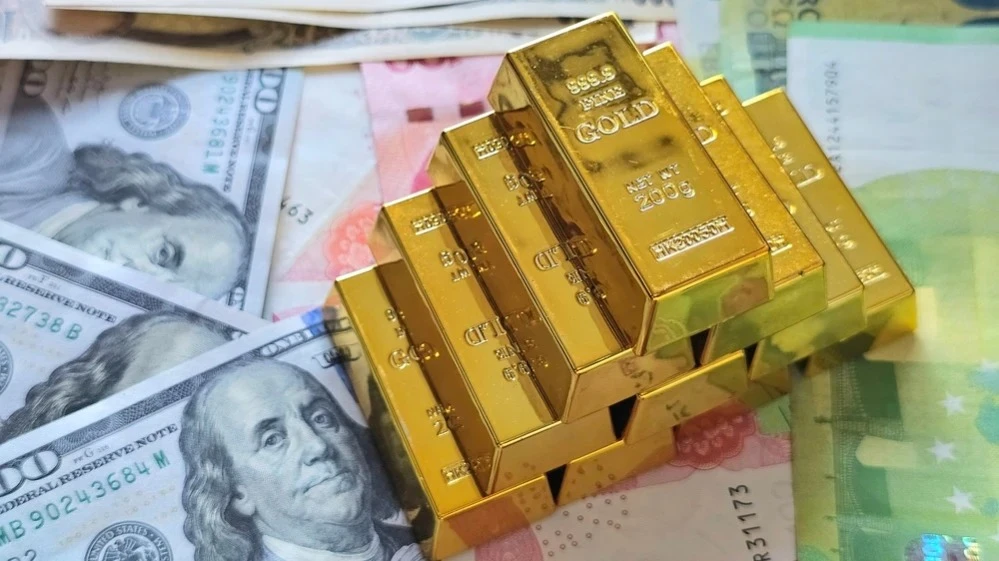
Gold is now trading below $4,000 per ounce / Photo: somkanae sawatdinak / Shutterstock.com
Gold fell below $4,000 per troy ounce for the first time since July. The yellow metal lost 3.3% over the week, even as investors piled into U.S. Treasuries and other safe havens amid doubts about the sustainability of the AI boom. The decline offered another sign that gold was no longer functioning as a safe haven and was instead falling alongside the broader market, the Financial Times reports.
Details
Spot gold fell as low as $3,986.50 per ounce on Friday before recovering some ground to end the day at $3,994.47. Bullion had lost 2.8% the previous day. The decline came despite falling U.S. Treasury yields, the FT writes. Lower yields typically support demand for gold, which pays no interest, making it more attractive when bonds offer lower returns.
What is going on in the market?
Gold’s decline as investors seek to reduce risk is a “notable divergence” from the usual market response, according to Berenberg analysts. The last time the yellow metal was this weak while U.S. Treasury yields were falling so sharply was in December 2008, at the depths of the global financial crisis, the FT reports.
Traders actively used gold for speculative trades last year, helping push its price to a record. Bullion rose above $5,500 per ounce on January 29 but has since lost 28.7%, according to Seeking Alpha, as some speculators began unwinding their positions.
The biggest factor behind this year’s decline in precious metals prices has been a shift in expectations for Fed policy, according to Erik Norland, chief economist at derivatives exchange CME Group. Markets moved from pricing in interest rate cuts to expecting increases. Even so, Norland said it was “astonishing” that gold remained significantly more expensive than at the beginning of 2025. He attributed this to a combination of factors, including budget deficits undermining confidence in bond markets, rising inflation, persistent geopolitical tensions, and continued gold buying by central banks. Central bank gold purchases in September reached their highest monthly level since November 2024, according to preliminary World Gold Council data compiled using information from central banks and the International Monetary Fund.
Outlook
Berenberg analysts believe Friday’s close below $4,000 is particularly significant for the market. A sustained move below that level could trigger further outflows from exchange-traded funds that invest in gold and intensify technical selling in gold-mining stocks. The mining sector is already having its worst week in seven months, the FT writes: BHP and Rio Tinto shares have fallen 6% and 7%, respectively, over the last five days.
John Reade, senior market strategist at the World Gold Council, linked gold’s price swings to the war in the Middle East and its fallout for markets. Higher interest rates have made gold somewhat less attractive as an investment, while high energy prices have constrained consumers’ ability to buy the yellow metal, he said. With safe-haven buying absent this year, fundamentals have played a greater role than usual, he added.
Still, some fund managers who spoke at the FT precious metals summit last week continue to expect prices to rebound.