NYT: U.S.-Russia negotiations on Ukraine now involve an deal for Lukoil assets

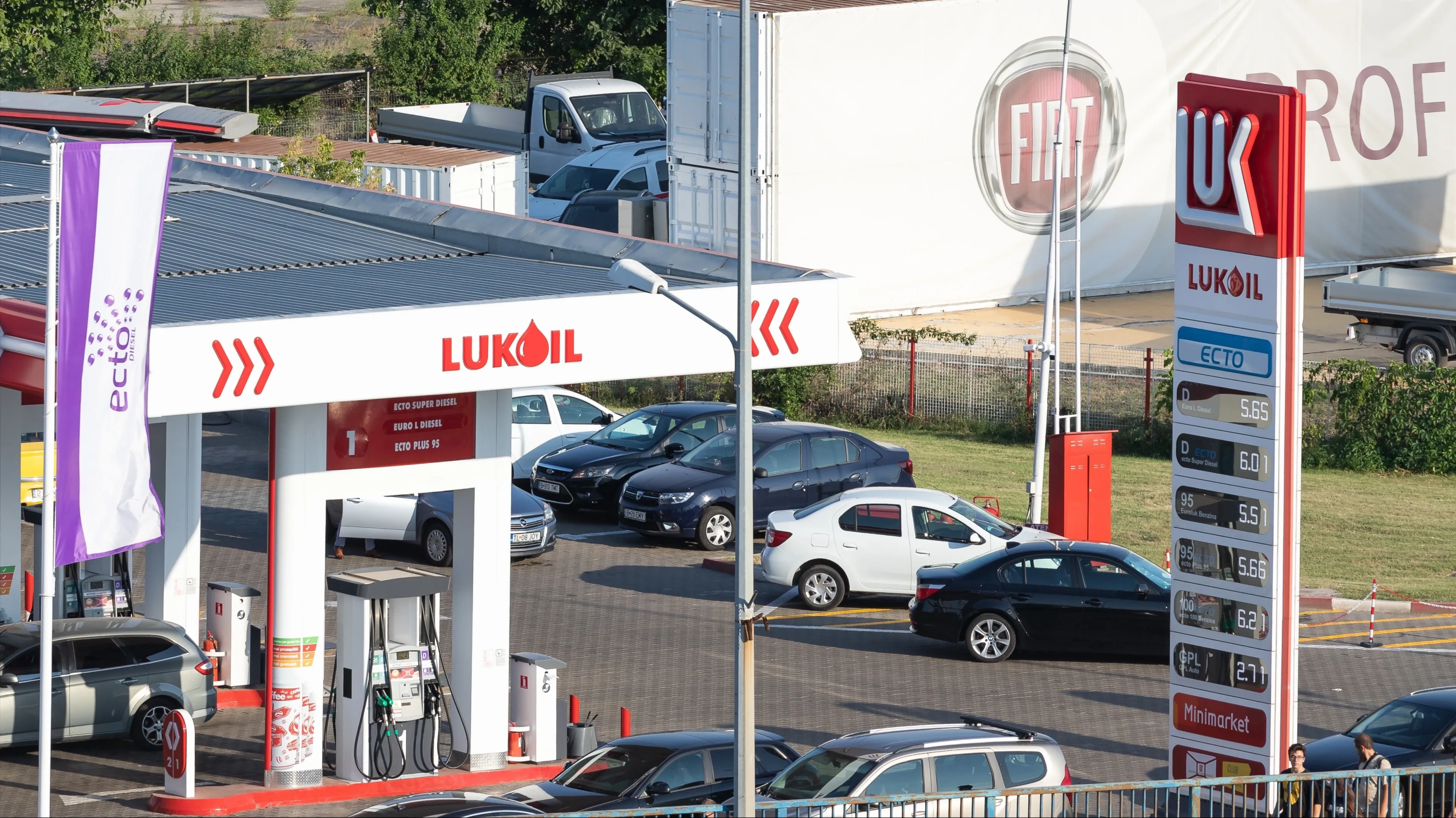
Putin brought up a sale of overseas Lukoil assets with Trump’s envoys, pushing a deal that raises new questions about conflicts of interest / Photo: Dragos Asaftei / Shutterstock.com
U.S.-Russia negotiations over Ukraine have “expanded” to include the fate of Russian oil producer Lukoil’s overseas assets, which the company was forced to put up for sale because of sanctions, the New York Times has reported, citing sources.
According to the sources, Russian President Putin first raised the issue during a September 5 meeting at the Kremlin with U.S. presidential envoy Steve Witkoff and Donald Trump’s son-in-law, Jared Kushner. Putin proposed that a deal be completed as “a way of showing Russians that they can do business with the U.S.,” one source told the newspaper. The U.S. negotiators said they would work on it, viewing the deal as a way to build goodwill with the Kremlin while also lowering global energy prices, the source said.
Why it matters
The deal involves a sprawling portfolio of energy assets ranging from oil fields in Cameroon and refineries in Europe to gas stations in New Jersey, the NYT writes. Lukoil previously valued the assets at $20 billion. Their fate ultimately rests with Putin and Trump, the newspaper wrote.
The buyers of the portfolio would receive a windfall: U.S. approval of the sale would release the assets from U.S. sanctions, instantly increasing their value, the NYT notes. Meanwhile, the bidders include Middle Eastern companies with ties to the U.S. negotiators with Russia. The intermingling of personal business ties with geopolitics is striking even for the current White House, which has repeatedly dismissed concerns about potential conflicts of interest, the Times wrote.
Who is vying for the Lukoil assets
The leading group of bidders includes U.S. investor Todd Boehly, co-owner of the Los Angeles Dodgers and former co-owner of Chelsea, who has donated $2 million to support Trump. His consortium also includes Qatari brothers Moutaz and Ramez Al-Khayyat. They attended Trump’s inauguration in 2025 and later entered into a deal with Kushner and his wife, Ivanka Trump, to help finance the construction of a resort in Albania.
Another member of the consortium is an Abu Dhabi-based investment fund controlled by Sheikh Tahnoon bin Zayed Al Nahyan. An entity affiliated with him purchased $2 billion worth of cryptocurrency from World Liberty Financial, which Witkoff cofounded, in 2025, helping the company generate $799 million in income for Trump last year, the NYT writes.
The U.S. government will also receive a stake in the company acquiring Lukoil’s assets through the Development Finance Corporation, or DFC, which invests in projects outside of the U.S. In September, the Financial Times reported that DFC was set to receive around 15% of the acquiring company and, together with Boehly, take control of a majority of its board seats. This puts the U.S. government in an unusual position: one arm is bidding for the assets, while another will decide their fate, the FT pointed out.
A DFC official told the NYT that its involvement in the deal would strengthen economic security, lower energy prices for everyday Americans, and advance U.S. foreign policy. A White House official confirmed to the NYT that Witkoff and Kushner had helped negotiate the terms of the government’s participation, seeking to ensure “a substantial upfront payment and profits interest for the U.S.”
There is no indication that Witkoff or Kushner personally stand to profit from the deal, the NYT notes. A spokeswoman for Witkoff said that he “has no conflict of interest and no financial stake in this matter” and “takes no salary and travels the world on his own plane, at his own expense” while working on Trump’s behalf to negotiate peace.
Context
The U.S. imposed sanctions on Lukoil around a year ago, forcing the company to put its overseas portfolio up for sale. In January, U.S. investment group Carlyle reached a tentative agreement to buy a large share of the assets. But approval of the deal stalled, and a group led by Boehly has emerged as the leading bidder in recent months, the NYT reports.
Because the process has dragged on, the U.S. Treasury Department has repeatedly extended sanctions licenses allowing Lukoil gas stations in the U.S. and other countries to continue working with financial partners. The latest extension runs through October 29.