FT: The U.S. Backed Chelsea's Former Co-Owner in His Battle with Carlyle Over Lukoil Assets
A consortium involving a U.S. government agency and a sheikh from the UAE wants to take the deal away from Carlyle, which had agreed to the purchase back in January

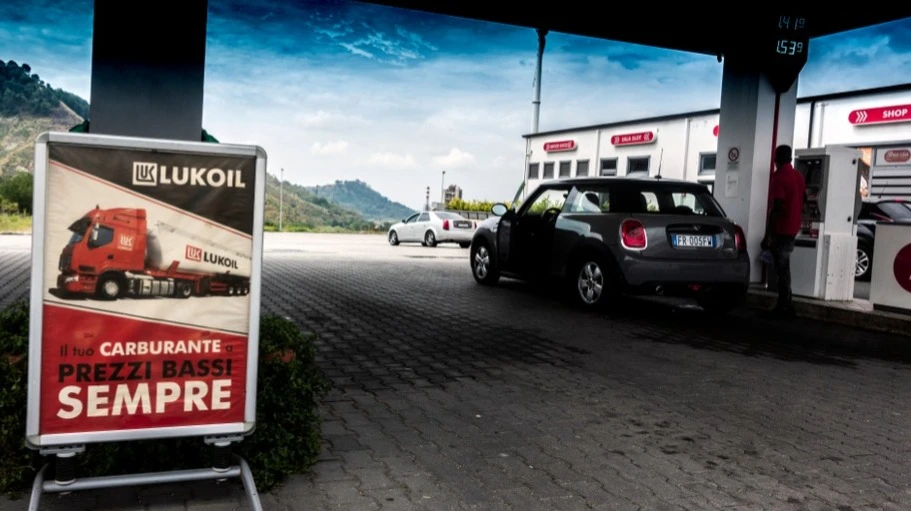
Russia's Lukoil owns several refineries in Europe and an extensive network of gas stations abroad / Photo: Roberto Scarfone/Shutterstock.com
American financier Todd Bowley has secured the support of the U.S. government and influential investors from the Gulf states with ties to Donald Trump’s family to bid for Lukoil’s overseas assets, according to the Financial Times (FT). The consortium intends to beat out the American investment group Carlyle, which reached an agreement to purchase the assets back in January but has yet to receive final approval from Washington.
Bowley is gathering allies
The Bouli consortium includes the U.S. government-owned International Development Finance Corporation (DFC), which invests in overseas projects, the brother of the UAE president, Sheikh Tahnoon bin Zayed Al Nahyan, and the Qatari billionaire Al-Hayat family, according to the FT. The financier, who sold his stake in Chelsea Football Club last week, had been working on the deal for several months, two sources close to the process told the newspaper.
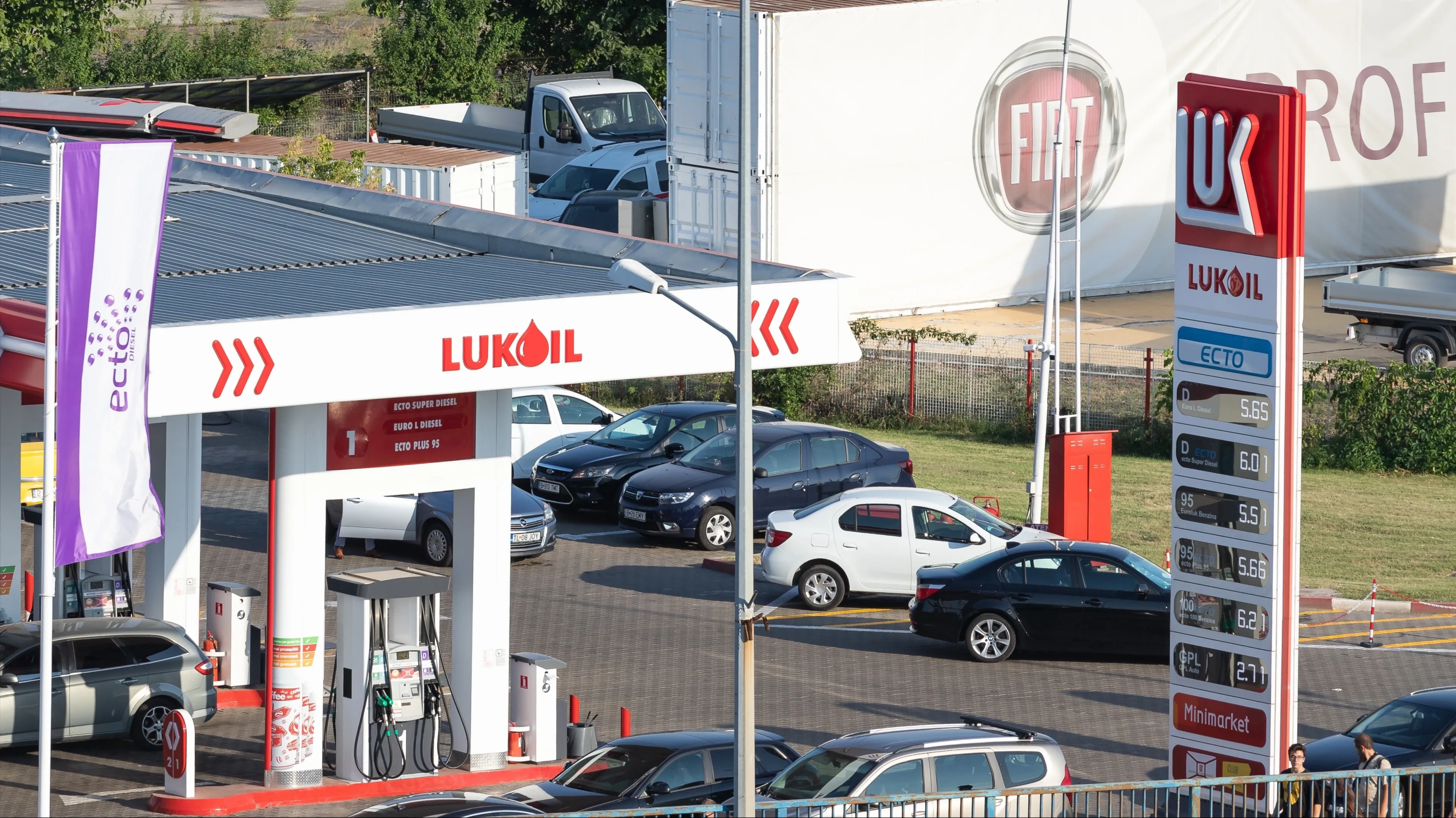
The Russian oil company Lukoil has put its overseas operations up for sale after falling under U.S. sanctions last year. These assets include oil and gas fields stretching from Central Asia to Mexico, about 2,500 gas stations, and major oil refining facilities in Europe. In March 2026, Lukoil announced the write-down of these assets, valuing them at 1.67 trillion rubles ($20 billion).
The Bowley consortium has not yet signed an agreement with Lukoil. According to sources who spoke with the FT, the proposal has already been thoroughly worked out, but it is unclear how far the parties’ negotiations have progressed. Bowley’s intention to bid for these assets first became known back in November 2025—a month after Lukoil and its subsidiaries were hit with sanctions by the U.S. Treasury Department.
The state on both sides
According to FT sources, the U.S. government agency DFC, which invests in projects outside the United States, is set to receive approximately 15% of the company acquiring Lukoil’s sanctioned assets. Bowley, together with this entity, will control a majority of the seats on the board of directors, a source told the publication.
Such an arrangement would put the U.S. government in an unusual position: one of its agencies would be vying for the assets while another would be deciding their fate, the FT notes. The newspaper wonders whether Carlyle might find itself at a disadvantage when competing against a consortium that includes the government and investors with ties to the administration. “Yes, there is such a concern,” one person familiar with the process told the publication.
According to the FT, the Al-Hayat brothers are becoming increasingly prominent business partners of individuals close to the current White House administration. For example, the Al-Hayat family owns a stake in a real estate development project in Albania involving U.S. President Donald Trump’s daughter Ivanka Trump and her husband Jared Kushner, the newspaper notes. The White House and Bowley declined to comment, and Lukoil did not respond to the FT’s inquiry.
Washington is in no hurry
As the FT reported earlier this week, the Trump administration has yet to make a final decision on the Lukoil-Carlyle deal: the decision is being held up by interagency coordination involving the National Security Council, the State Department, and the U.S. Department of Energy. “We no longer understand what’s going on with the deal. There’s been no progress. It’s just sitting there, and I don’t know what else they’re waiting for,” a source familiar with the process told the publication.
Carlyle claims that the deal could help ease tensions in global energy markets by allowing the company to take control of three European refineries and increase its production of gasoline and diesel. These include refineries in Bulgaria and Romania, as well as a 45% stake in the Zeeland refinery in the Netherlands. According to the Russian state news agency Interfax, the combined capacity of the three facilities is about 400,000 barrels of oil per day. However, the Romanian Petrotel refinery has been idle since last year.
Washington has repeatedly extended temporary licenses allowing negotiations regarding the sale of Lukoil’s overseas assets. The latest extension expires on October 22.
This article was AI-translated and verified by a human editor