Oil prices fell after Trump's remarks about an "energy truce" between Russia and Ukraine


Photo: noomcpk / Shutterstock
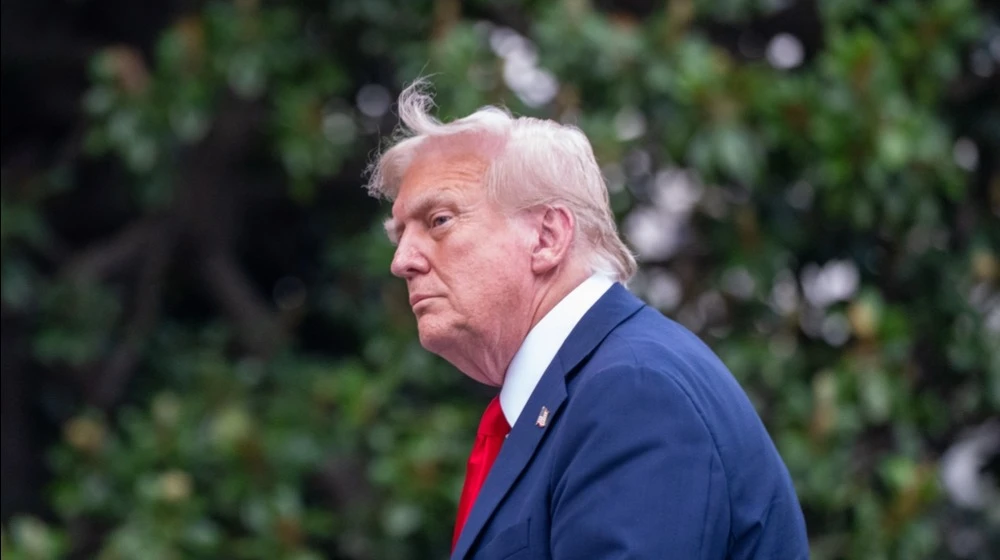
The price of Brent and WTI crude oil fell during Monday's trading session. Reuters and the Financial Times attribute this to investors’ reaction to statements by U.S. President Donald Trump that Russia and Ukraine had allegedly agreed to halt attacks on each other’s energy facilities. The market is expecting an increase in supplies from Russia, Reuters notes.
Against this backdrop, Brent contracts for December delivery fell to an intraday low of $102.33 per barrel; at the time of publication, they had slightly recovered from those losses and were trading down about 1%, at $103.9. Meanwhile, WTI futures for next month’s delivery are trading at $90.75; they fell to $89.7 at their low on October 12.
Diesel prices are also falling, Reuters notes. On the ICE, futures contracts for this commodity fell 3% on Monday—on Friday, Trump announced that he had reached an agreement on diesel supplies from Russia to the U.S. and global markets. Previously, these exports had been subject to sanctions; furthermore, Russia had restricted fuel shipments following Ukrainian drone strikes on its oil refineries.
What People Are Saying in the Market
Trump’s statements have somewhat eased the pressure on supply, noted Tim Waterer, chief analyst at KCM Trade: “Questions remain regarding the validity and duration of any such truce, and without more convincing evidence that it will actually be observed, the extent of the price decline [for oil and other petroleum products] will most likely be limited,” he emphasized.
In Russia, there has been no comment yet on Trump’s statements; in Ukraine, they were described as “news” to them, but officials noted that they are prepared to take such a step if the Russian authorities agree to abide by it. Trump had already announced a similar ceasefire in the war between Russia and Ukraine last month, but it did not lead to any significant change in the situation.
On Sunday, Fatih Birol, head of the International Energy Agency (IEA), stated that all member countries of the organization (which includes, among others, the United Kingdom, Germany, France, Canada, the United States, South Korea—and others) should assess the need to release additional diesel fuel reserves, and those countries that have not yet fully met their volume commitments should — should expedite the release of their remaining reserves, giving priority to diesel.
Context
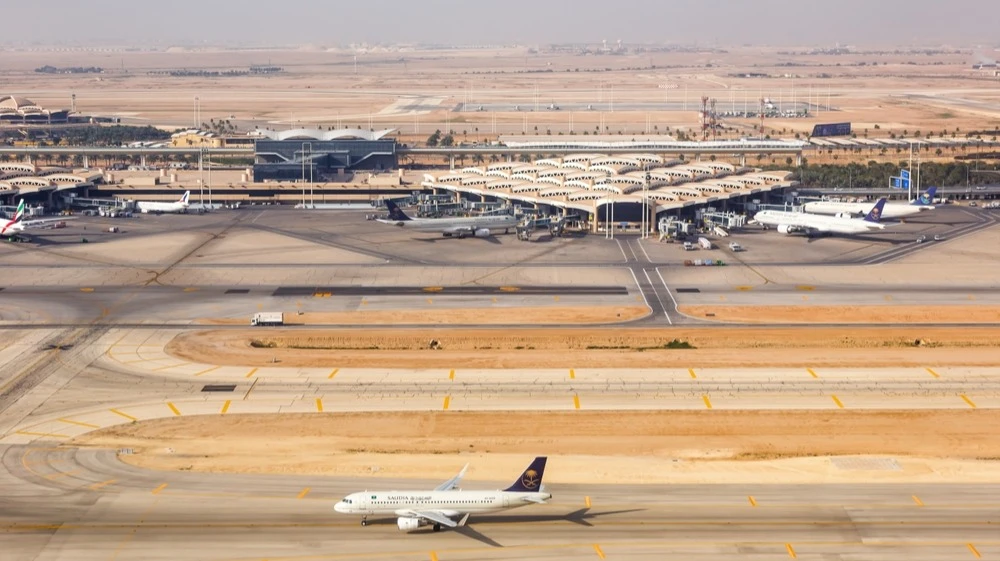
Meanwhile, the price of Brent crude remains above $100 per barrel: the conflict in the Middle East is keeping it at this high level, according to Reuters. Over the weekend, Saudi Arabia’s main airport—located in the capital, Riyadh— was attacked twice. The Iran-backed Yemeni Houthis claimed responsibility for the attacks. The first attack killed 13 people and injured more than 300 others.
The attacks followed the launch by Saudi-backed forces in Yemen of a campaign to regain control of areas held by the Houthis andto “destroy”the group, according to Bloomberg. The Iran-backed rebels opened a new front in the Middle East conflict in July when they began striking Saudi Arabia’s energy infrastructure and tankers in the Red Sea.
In response, Trump stated on October 10 that the U.S. is open to the possibility of joining Saudi Arabia's airstrikes against the Houthis and is currently considering that option.
This article was AI-translated and verified by a human editor