Oil prices have fallen to their lowest level since the start of the war in the Middle East
At their low, August Brent contracts fell to $76.66 per barrel

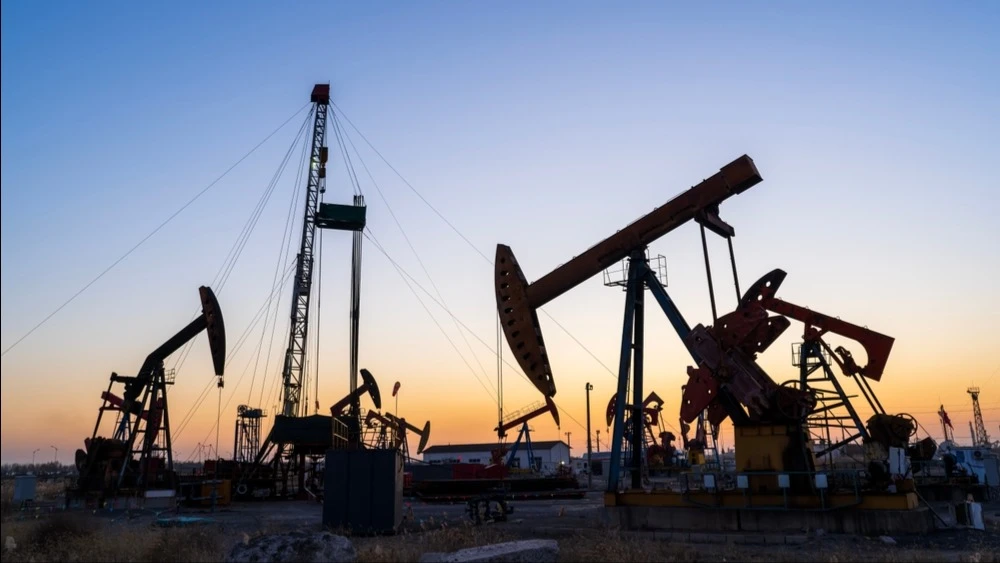
Photo: zhengzaishuru / Shutterstock
Against the backdrop of the signing of a memorandum of understanding between the U.S. and Iran, which is intended to cement a ceasefire in the Middle East and reopen the Strait of Hormuz, oil prices fell by more than 3% on June 18—to their lowest level since the first trading day of the war, according to Reuters.
August Brent contracts fell to a low of $76.66 per barrel, down just over 3.5% from the previous close. U.S. WTI crude futures, in turn, fell to $73.58 (down nearly 4%). At the time of publication, oil prices had slightly recovered from Thursday’s losses: Brent is trading at $77.14 per barrel (which is just over 5% higher than Brent’s price on February 27, the day before the Iranian crisis began—it was trading at $73 on that date), while WTI contracts are trading at $74.19.
Overall, on June 18, Brent prices fell to their lowest level since March 2—the first trading day after the war began—while WTI prices hit their lowest level since March 4, according to Reuters.
"The sell-off [in the oil market] continued as energy markets continue to aggressively price in a faster-than-expected return of Iranian oil to the market following the recent [signing] of a memorandum of understanding between the U.S. and Iran,” IG analyst Tony Sycamore noted in his report.
The text of the memorandum of understanding signed by the parties the day before via remote means has not yet been officially published. According to information obtained by Bloomberg and the Wall Street Journal, the 14-point document calls for a cessation of hostilities in the Middle East, including Israel’s military operations in Lebanon, as well as the full reopening of the Strait of Hormuz for at least 60 days. Before the end of this period, the parties commit to reaching an agreement on Iran’s nuclear program and to developing a $300 billion plan to finance Iran’s reconstruction (U.S. President Donald Trump had previously stated that Washington would not provide such funding to Tehran).
This article was AI-translated and verified by a human editor